
How to Maintain a Healthy Gluten-Free Dinner Plan for People With Celiac Disease? This question is crucial for individuals managing celiac disease, where gluten intake triggers immune responses damaging the small intestine. Creating a dinner plan that is both nutritious and safe requires a combination of understanding dietary needs, vigilant planning, and awareness of potential cross-contamination risks. For many, maintaining a healthy gluten-free dinner routine isn’t just about avoiding gluten — it’s about ensuring a balanced diet rich in essential nutrients while embracing variety and flavor. In this comprehensive guide, we’ll explore practical strategies, creative recipes, pantry essentials, and safety tips to help you confidently maintain a healthy gluten-free dinner plan tailored for people with celiac disease.
Understanding Celiac Disease and the Importance of a Gluten-Free Diet
Celiac disease is an autoimmune disorder where ingestion of gluten—a protein found in wheat, barley, and rye—triggers damage to the small intestine’s lining. This damage impairs nutrient absorption, leading to symptoms like diarrhea, fatigue, and weight loss, and can cause long-term health complications if not managed properly. Understanding this condition emphasizes the necessity of adhering to a strict gluten-free diet, especially during dinner, an opportunity to carefully control ingredients and avoid contamination.
A gluten-free diet is not merely about removing gluten but also about replacing it with nutritious alternatives that support overall health. For individuals with celiac disease, dinner time is a critical window to include whole grains, lean proteins, and vegetables that promote gut healing and replenish vital nutrients like fiber, iron, and vitamins. Knowing the science behind celiac disease underscores the importance of vigilance, label reading, and choosing safe ingredients — these practices are fundamental to maintaining health and preventing inadvertent gluten exposure.
Recommended Products

One (1) 9-oz single serve package of Amy's Cheese Enchilada, Frozen Meals


A square meal with hearty chunks of meat, carrots, and potatoes in a rich and satisfying meat gravy
Planning Nutritious and Balanced Gluten-Free Dinners
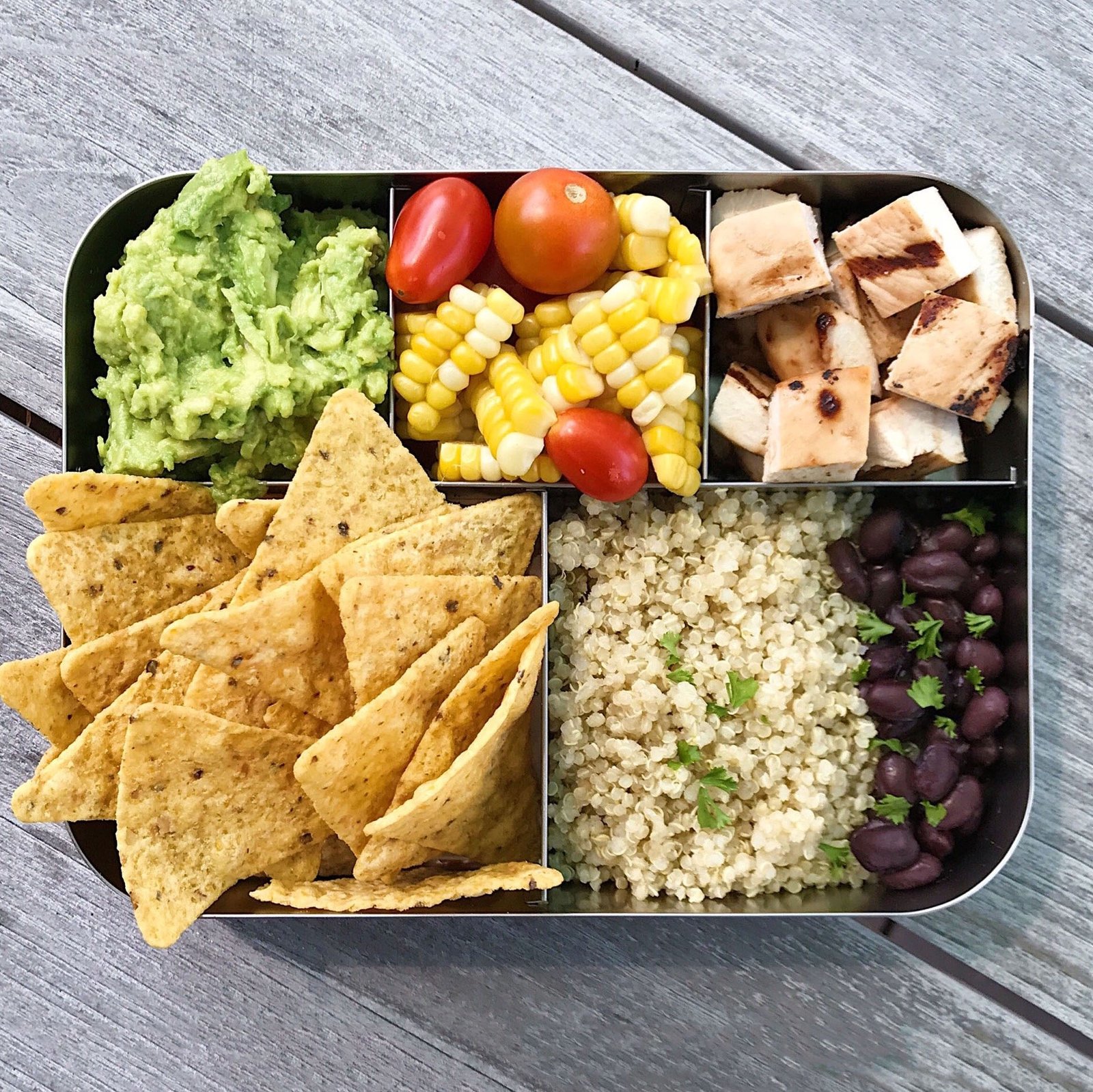
Effective dinner planning for people with celiac disease requires a mindful approach that balances taste, safety, and nutritional value. Start by designing meals that incorporate a protein source, healthy fats, and a variety of vegetables, ensuring that each component is gluten-free. Incorporating whole, minimally processed foods helps minimize the risk of cross-contact and provides essential nutrients that promote gut health and overall well-being.
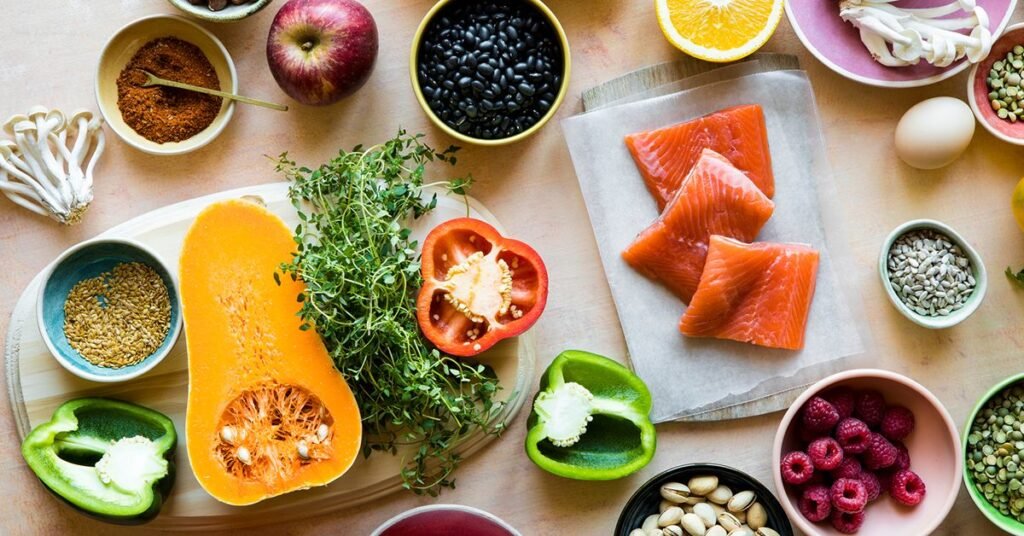
To keep dinners exciting and nourishing, consider nutrition diversity—rotating different protein options such as fish, poultry, legumes, and tofu, along with a rainbow of vegetables. Planning ahead allows for better grocery shopping, reduces last-minute stress, and minimizes the chance of reaching for gluten-containing processed foods. Moreover, integrating phytonutrient-rich foods like berries, leafy greens, and nuts can bolster immune function and support tissue repair, which is especially important for those managing celiac disease.
Recommended Products

Produced in a gluten-free dedicated facility.

AUTHENTIC ITALIAN FLAVOR: Long flat ribbon noodles crafted in Italy from premium corn and rice flour; delivers al dente texture and classic tagliatelle taste without wheat

20g of plant-based protein per serving, which is 50% more than the leading traditional pasta brand.
Essential Gluten-Free Staples for Your Dinner Pantry
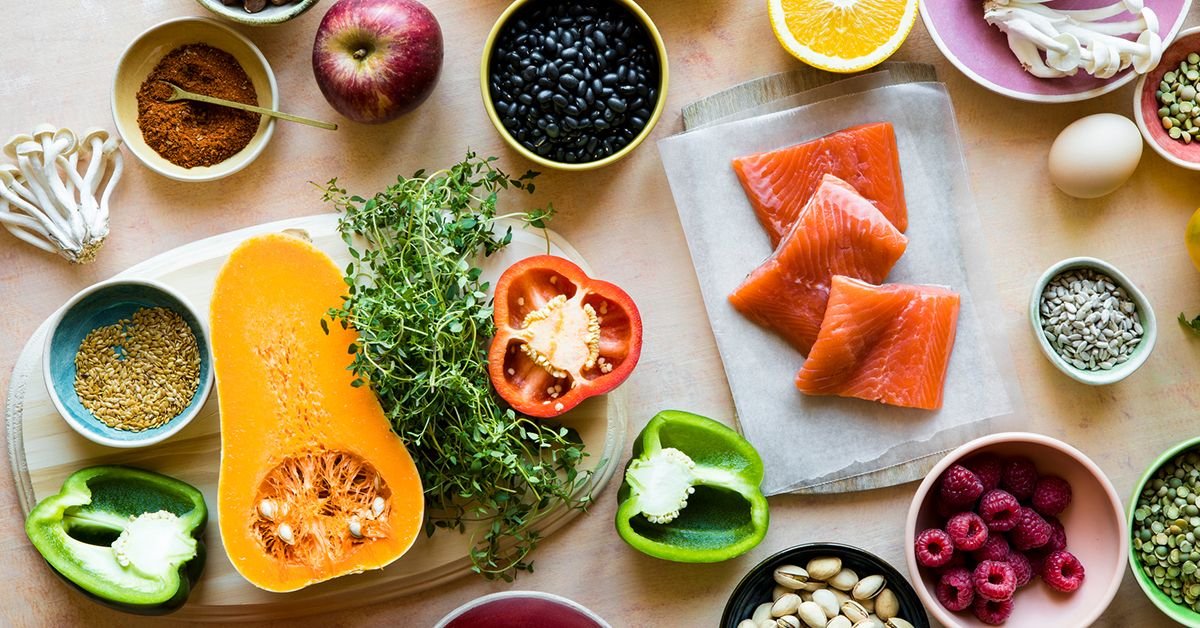
Having a well-stocked gluten-free pantry is the backbone of maintaining a healthy dinner routine. Essential staples include gluten-free grains like rice, quinoa, and buckwheat, which serve as versatile bases for many meals. Legumes such as lentils and chickpeas add protein and fiber, while nuts and seeds enhance texture and nutritional value when incorporated into salads or main dishes. Don’t forget gluten-free flours like almond, coconut, and tapioca flour for baking or thickening sauces safely.
Additionally, stock up on safe condiments, herbs, and spices to flavor your meals without hidden gluten. Read labels vigilantly, as gluten can hide in processed sauces, marinades, and even broths. Having these staples on hand not only simplifies meal preparation but also encourages creativity while reducing reliance on processed or pre-packaged gluten-free products, which can sometimes be expensive or less nutritious.
Recommended Products


A FULL TASTE WITH 50% LESS SODIUM: Organic Tamari Lite 50% Less Sodium Gluten Free Soy Sauce helps you and your family reduce salt intake while enjoying the full, enhanced flavor of homemade meals so you can experience all the mouthwatering ways that soysauce’s distinct taste is used for dipping, marinating, and glazing

Brewed in the USA and made with non-GMO soybeans.
Creative and Delicious Gluten-Free Dinner Recipes for Celiac Patients
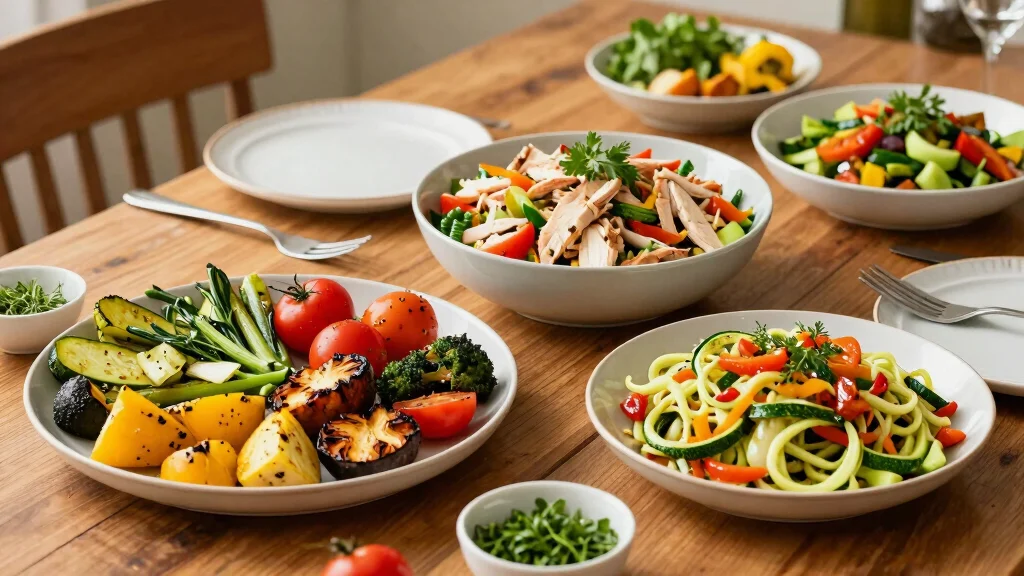
A common misconception is that gluten-free meals are bland or limited, but with a little creativity, dinners can be both exciting and delicious. For example, stuffed bell peppers with quinoa, black beans, and veggies create a colorful, nutrient-dense dish. Zucchini noodles with homemade tomato sauce and grilled chicken provide a light yet satisfying option. Another innovative idea is cauliflower steak—roasted and topped with herbs and a drizzle of lemon—offering a hearty vegetable-centered meal.
Experimenting with international cuisines opens up a world of gluten-free possibilities—think Thai curry with coconut milk, Mexican grilled shrimp tacos with corn tortillas, or Mediterranean stuffed eggplants. Incorporating flavor-rich herbs, spices, and fresh produce transforms simple ingredients into memorable meals. These recipes not only ensure variety but also reinforce the importance of using naturally gluten-free ingredients, making dining enjoyable without compromising health or safety.
Recommended Products

Versatile Replacement: This gluten free flour 1 to 1 substitute for wheat flour can be used in yeasted recipes, allowing you to create delicious GF versions of artisan boules, bagels, cinnamon rolls, and burger buns with ease.

The Original Gluten-Free Bread Flour

Versatile Baking: Perfect 1:1 substitute for wheat flour in non-yeasted recipes, ideal for gluten-free cookies, cakes, muffins, and pancakes. Simplify your gluten-free baking with this all-purpose flour alternative.
Avoiding Cross-Contamination: Ensuring a Safe Gluten-Free Dinner Preparation
Cross-contamination is one of the most critical concerns when planning and preparing gluten-free dinners. Small traces of gluten can cause adverse reactions in celiac patients, so meticulous kitchen management is vital. Use separate cutting boards, utensils, and cookware designated exclusively for gluten-free food preparation. Washing hands thoroughly before cooking and handling gluten-free ingredients is essential for maintaining safety.
Furthermore, cleaning countertops, pots, and pans thoroughly before preparing gluten-free meals helps prevent accidental gluten transfer. When shopping, choose pre-packaged gluten-free products from reputable sources with clear labeling, and store them separately from gluten-containing items. If dining out or attending social dinners, communicate your needs clearly and inquire about preparation practices to avoid cross-contamination. These precautions are instrumental in creating a safe environment conducive to maintaining a healthy gluten-free dinner routine.
Recommended Products



Navigating Dining Out: Strategies for Maintaining a Gluten-Free Dinner Plan
Eating out poses unique challenges for people with celiac disease, but with careful planning, it can be an enjoyable experience. Research restaurants beforehand to identify those with good gluten-free practices or dedicated gluten-free menus. Call ahead to verify facility procedures or ask about cross-contact controls, making your needs clear to staff.
When dining, choose simple dishes that are less likely to include hidden gluten, such as grilled meats, steamed vegetables, or salads with safe dressings. Always communicate your dietary restrictions to servers, and consider bringing gluten-free snacks if you’re unsure about available options. Developing confidence and awareness around dining out empowers you to enjoy meals socially without compromising your health. This proactive approach not only preserves safety but also promotes independence and confidence in managing your celiac disease.
Recommended Products

One-Pot Italian Delight: Enjoy a quick and easy gluten-free lasagna meal kit made with premium fusilli pasta imported from Italy.

Conclusion
Maintaining a healthy gluten-free dinner plan for people with celiac disease involves a combination of education, preparation, and vigilance. By understanding the importance of a well-balanced diet, carefully planning meals with nutritious and diverse ingredients, stocking essential pantry staples, and practicing safe cooking techniques, individuals can enjoy satisfying and healthful dinners without gluten worries. Embracing creativity in recipes and advocating for safety during dining out further supports a sustainable and enjoyable gluten-free lifestyle. Ultimately, proactive management and informed choices are key to thriving with celiac disease and maintaining optimal health through mindful dinner planning.
Recommended Products
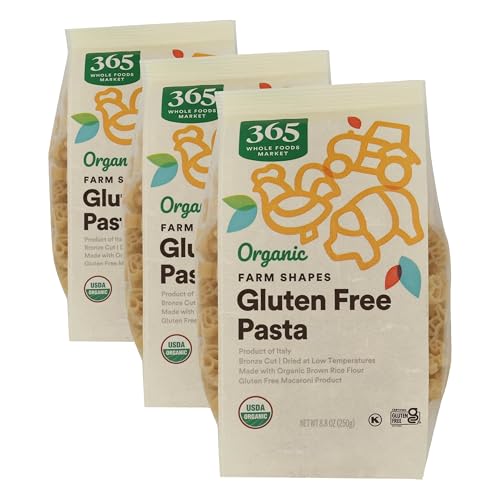
The information below is per-pack only

GRAIN-FREE PASTA - Jovial Grain Free Cassava Orzo is made from just one simple ingredient and water, this pasta is suitable for those on the gluten-free diet, paleo diet and AIP diet

Product of Italy - Made with 100% Italian Corn