
Slow Cooker Recipes: Easy Meals, Less Effort!
Family-friendly dishes for busy people — quick prep, delicious results.
Grab yours for $4Can you make high-protein pancakes without dairy or wheat flour? This question has gained substantial popularity among health-conscious individuals, those with food allergies or sensitivities, and anyone seeking to diversify their diet. Traditionally, pancakes rely heavily on wheat flour and dairy ingredients like milk and butter, which can pose challenges for certain dietary restrictions. However, with the rise of alternative ingredients and a focus on nutrition, it’s entirely possible to craft delicious, nutrient-packed high-protein pancakes that are both dairy-free and wheat-free. This article explores the creative ways to achieve this, unlocking a new realm of breakfast options that are wholesome, inclusive, and satisfying.
As the demand for gluten-free, dairy-free, and high-protein foods grows, many eager home chefs and professional bakers are experimenting with innovative recipes. The core challenge lies in replacing the familiar staples—wheat flour and dairy—with suitable substitutes that don’t compromise on texture or flavor. The good news is that with the right ingredient combinations and techniques, making high-protein pancakes without dairy or wheat flour is not only feasible but can also result in some of the most nourishing and tasty pancake variations you’ve ever encountered. Whether you’re managing allergies, following a plant-based diet, or simply exploring healthier breakfast options, this guide will help you master that elusive, perfect pancake.
The Rise of Protein Pancakes: A Dairy-Free and Wheat-Free Approach
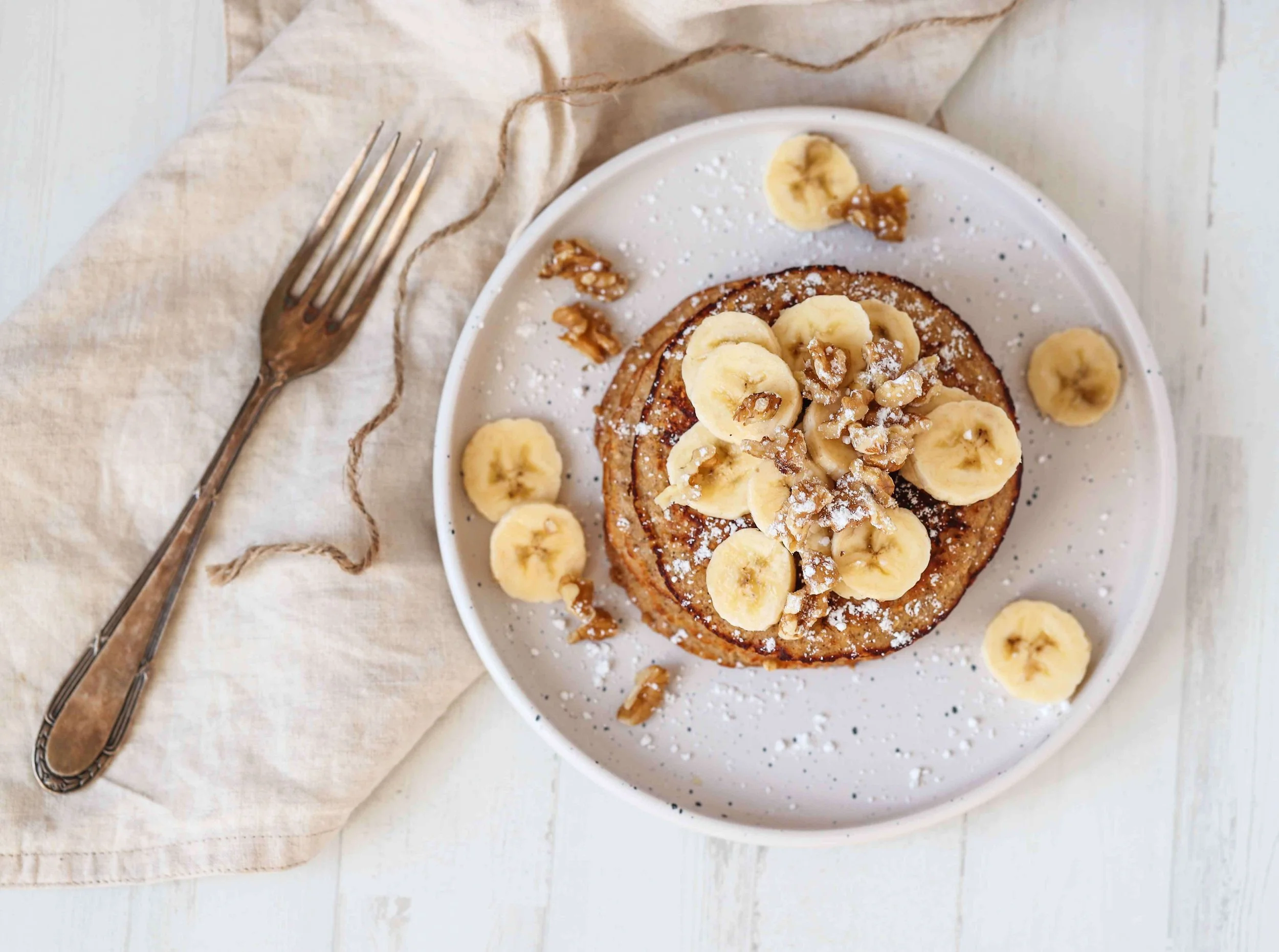
The concept of protein pancakes has gained momentum as people increasingly seek breakfast options that fuel their bodies and support their active lifestyles. Traditionally, pancakes are associated with refined wheat flour and dairy, contributing to their soft, fluffy texture but also raising concerns about gluten and lactose intolerance. The evolution of dietary needs has prompted chefs and health enthusiasts to rethink pancake recipes by emphasizing high-protein ingredients and eliminating common allergens.
In recent years, the market has responded with an array of pre-made protein pancake mixes, but the real magic happens in homemade recipes that cater to specific dietary restrictions. Creating high-protein pancakes without dairy or wheat flour aligns with the broader trends of clean eating, plant-based diets, and allergen avoidance. Advances in ingredient science, coupled with a rich variety of wholesome alternatives like legumes, seeds, nut butters, and gluten-free grains, have made this culinary endeavor much more accessible. This shift signifies a broader acknowledgment that breakfast can be both nutritious and inclusive, championing health-conscious innovation without sacrificing taste and texture.
Unlocking High-Protein, Dairy-Free, and Wheat-Free Pancake Recipes
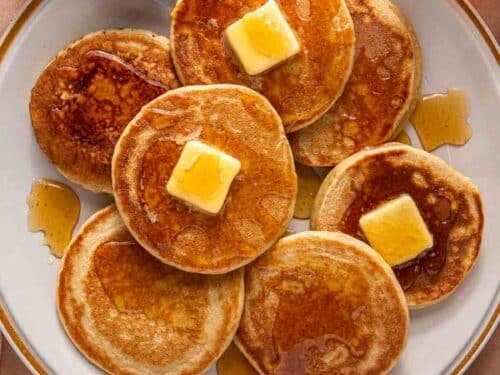
Unlocking the perfect high-protein, dairy-free, and wheat-free pancake recipe requires a blend of ingenuity and understanding of ingredient functionalities. The goal is to craft a batter that provides ample protein while maintaining the fluffy, tender qualities traditionally associated with pancakes. This involves selecting ingredients that serve as both a binder and a source of nutrition, such as plant-based proteins like pea protein powder, almond flour, or chickpea flour, which seamlessly replace wheat flour’s role.
Experimentation is key when developing these recipes. Incorporating ingredients such as mashed bananas, applesauce, or aquafaba can add moisture and structure, compensating for the absence of dairy and wheat. Additionally, flavoring agents like cinnamon, vanilla extract, or cocoa powder can enrich the taste, ensuring the pancakes remain satisfying and indulgent despite ingredient substitutions. With patience and creativity, you can unlock numerous recipes that marry high-protein content with dietary inclusivity, transforming your breakfast routine into a nourishing, allergen-free experience.
Ingredient Alternatives: Crafting Protein Pancakes Without Dairy and Wheat
The foundation of dairy-free, wheat-free high-protein pancakes lies in selecting suitable substitutes that serve similar roles in traditional recipes. For flour, options like chickpea, oat, buckwheat, or almond flour provide both texture and nutritional benefits, often packing more protein and fiber than refined wheat flour. For liquids, plant-based milk such as almond, coconut, soy, or oat milk substitutes cow’s milk effortlessly, catering to lactose intolerance and vegan diets.
When it comes to boosting protein content, powders like pea, rice, or hemp protein are excellent additions. Nut butters, like almond or peanut, not only add richness but also contribute healthy fats and protein. Using flaxseed or chia seed meal as binders can replicate the structure created by eggs, while aquafaba (the liquid from cooked chickpeas) offers a plant-based alternative that whips up similarly to egg whites. These ingredient alternatives work synergistically, allowing you to customize your pancakes for specific dietary needs without sacrificing flavor or nutritional value.
Mastering the Batter: Techniques for Perfect Dairy-Free, Wheat-Free Protein Pancakes
Achieving the ideal consistency in your batter is crucial for baking high-protein, dairy-free, and wheat-free pancakes that are fluffy, tender, and easy to cook. Unlike traditional recipes that rely on gluten’s elasticity, plant-based flours and protein powders often require fine-tuning the liquid-to-dry ratio. Slowly adding your plant-based milk while whisking ensures the batter remains smooth and free of lumps, preventing dense or rubbery textures.
Another key technique involves resting the batter before cooking. Allowing it to sit for 5-10 minutes helps hydrate the flours and thicken the mixture, which can improve pancake volume and texture. Cooking at medium-low heat is essential to avoid burning the exterior while ensuring the interior cooks through. Using non-stick pans or griddles with a light coating of coconut oil allows for easy flipping and prevents sticking. With a focus on patience, precision, and sensory evaluation, you can level up your pancake-making skills and produce stunning, high-protein stacks that meet your dietary goals.
Nutritional Benefits: Why Choose Dairy-Free and Wheat-Free Protein Pancakes?
Choosing dairy-free and wheat-free high-protein pancakes aligns with a commitment to optimal health and dietary inclusivity. These pancakes are typically rich in plant-based proteins, fiber, vitamins, and minerals, which support digestive health, sustained energy, and muscle maintenance. Eliminating dairy reduces intake of saturated fats and potential allergens, benefiting those with lactose intolerance or dairy sensitivities.
Furthermore, avoiding wheat and gluten-containing grains can alleviate inflammation and digestive discomfort for sensitive individuals. Incorporating ingredients like legumes, seeds, and nuts boosts the antioxidant content and nutrient density of these pancakes. Such dietary choices often extend beyond nutrition, promoting mindful eating, awareness of food sensitivities, and a more sustainable, environmentally friendly approach to food production. Overall, these pancakes exemplify how health, nutrition, and taste can be harmonized without compromising dietary restrictions.
Taste Test: Exploring Delicious and Healthy High-Protein Pancake Variations
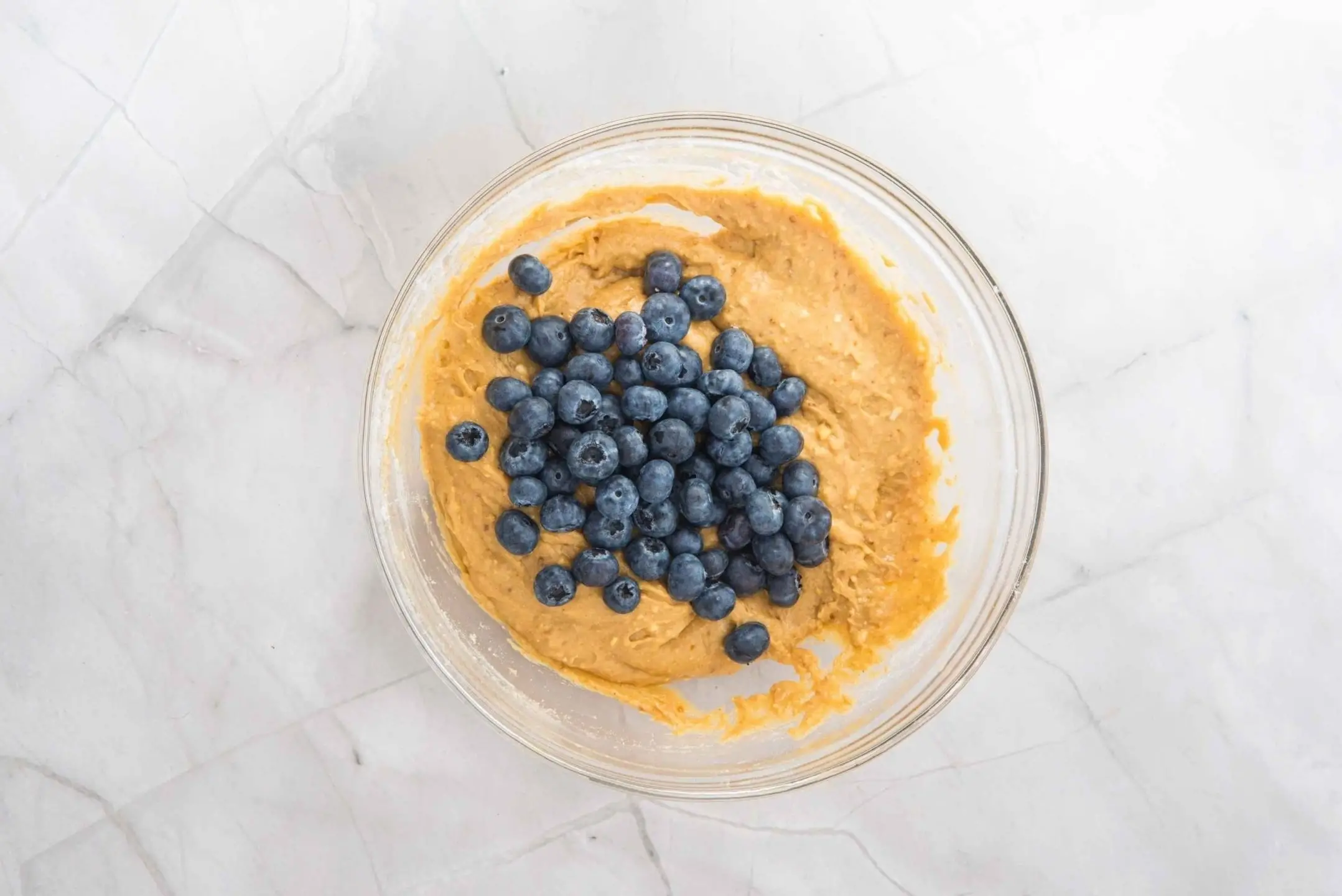
Taste is often the deciding factor in adopting any new recipe, and high-protein, dairy-free, wheat-free pancakes can be incredibly delicious when crafted thoughtfully. Variations such as adding blueberries, diced apples, or dark chocolate chips can elevate the flavor profile, making these pancakes appealing to a broad palate. Incorporating spices like cinnamon, cardamom, or ginger adds warmth and complexity, transforming simple stacks into gourmet treats.
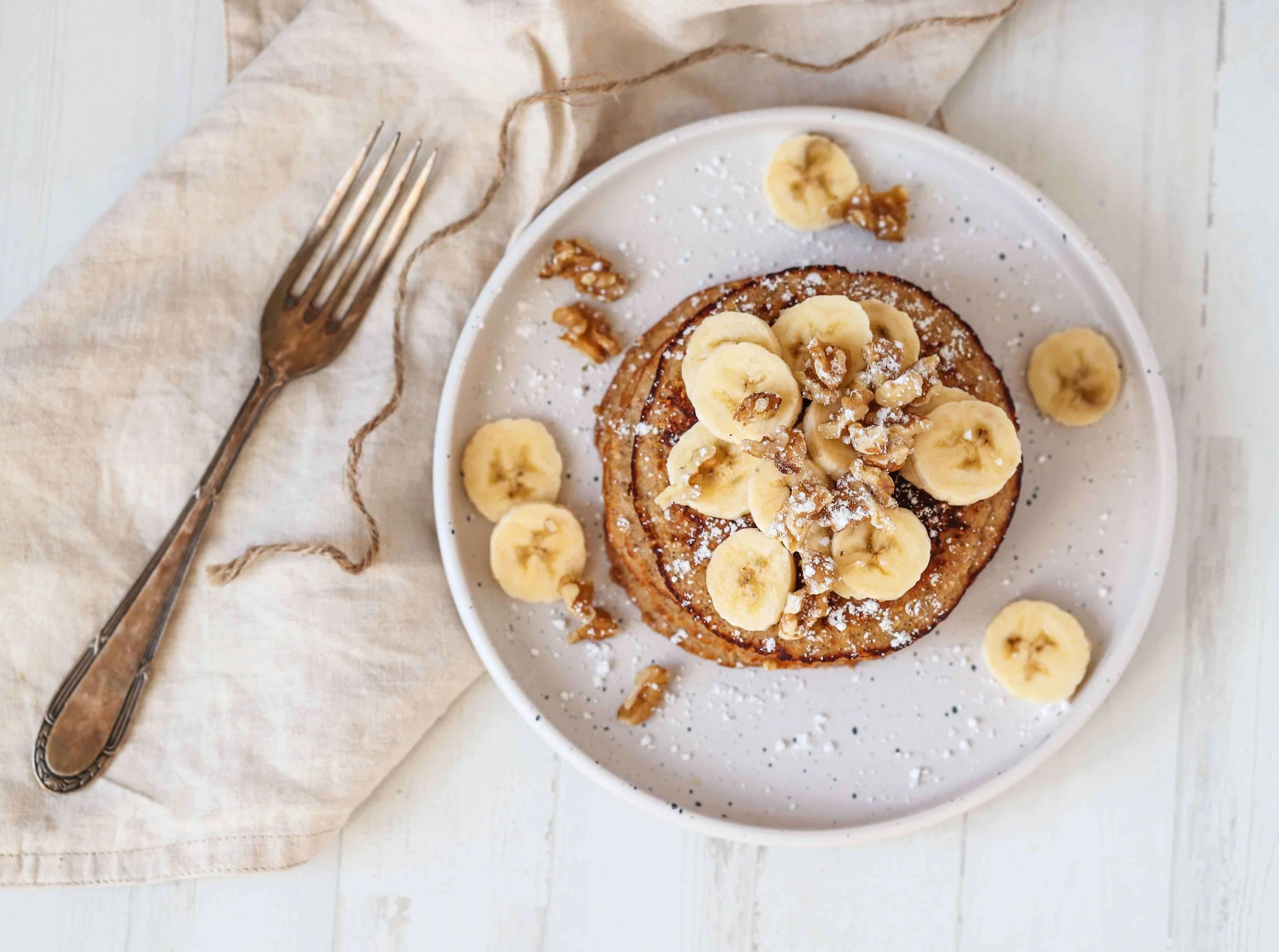
Experimenting with toppings enhances the sensory experience and nutritional value — from fresh fruit and unsweetened yogurt (or coconut yogurt for dairy-free options) to a drizzle of pure maple syrup or nut butter. Savory versions, such as incorporating herbs, sun-dried tomatoes, or sautéed vegetables, showcase these pancakes’ versatility. By balancing flavor, texture, and nutrition, you can create delightful pancake variations that prove “Can you make high-protein pancakes without dairy or wheat flour?” is not only possible but also a rewarding culinary journey.
Conclusion
Creating high-protein pancakes without dairy or wheat flour is entirely achievable by thoughtfully substituting core ingredients with nutritious, allergen-friendly alternatives and applying skillful techniques. The rise of such recipes reflects a broader movement towards inclusive, health-conscious eating practices that prioritize performance, digestion, and sustainability. By exploring diverse ingredients like chickpea flour, plant-based milks, and protein powders, you can craft pancakes that are both delicious and nourishing, demonstrating that dietary restrictions do not have to limit culinary delight. Whether for health reasons or personal preference, these recipes open up new possibilities for a versatile, satisfying breakfast that aligns with modern nutritional goals.