

Slow Cooker Recipes: Easy Meals, Less Effort!
Family-friendly dishes for busy people — quick prep, delicious results.
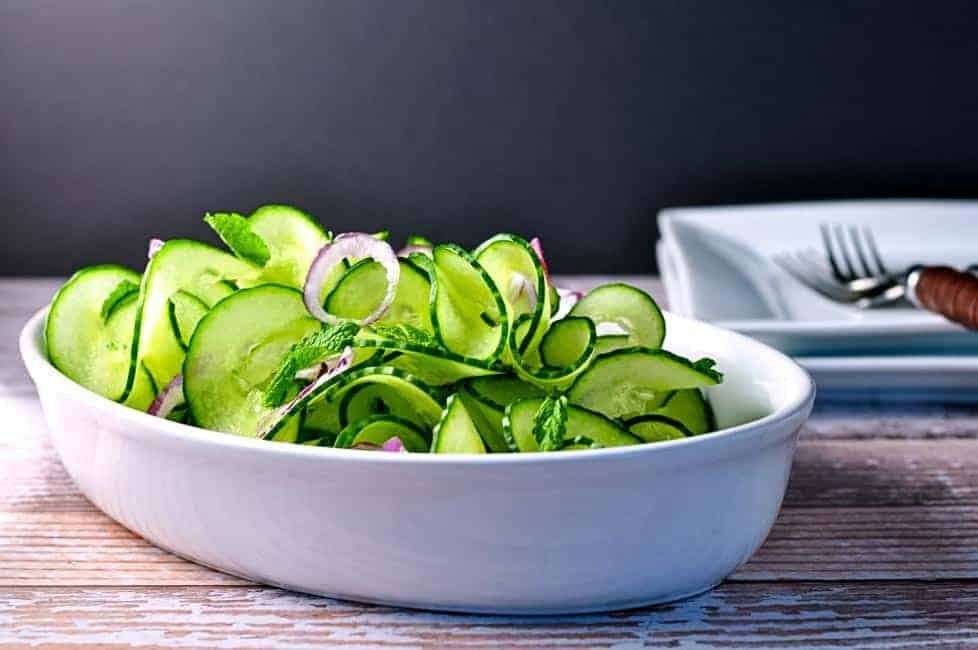
Grab yours for $4The vibrant colors of carrot and cucumber salad bring a splash of freshness to any table.
This refreshing dish combines the crispness of cucumbers with the subtle sweetness of carrots, offering an irresistible crunch.
Perfect for summer picnics or as a light appetizer, this salad is as effortless to prepare as it is delightful to eat.
I first encountered this dish at a family gathering, where its simplicity and flavor won me over instantly.
With minimal ingredients and maximum flavor, this carrot and cucumber salad is sure to become a staple in your repertoire.
The History and Cultural Significance
• Carrot and Cucumber salad traces its origins to the Middle East, where it was originally created by combining locally grown produce.
• The dish evolved over decades as global trade introduced new ingredients and techniques, eventually becoming the beloved version we know today.
• In Mediterranean culture, this dish traditionally appears at summer feasts, symbolizing freshness and abundance.
• While many variations exist across different regions, the authentic version maintains a crisp texture and a balance of flavors that sets it apart from imitations.


Recipe Overview
Nutritional Information
Essential Equipment Guide
Mandoline Slicer: A mandoline slicer is crucial for achieving uniformly thin slices of vegetables, which enhances the salad’s texture and presentation. Alternatives like a sharp knife can work, but require more skill and time.
Mixing Bowl: A large mixing bowl allows for even distribution of dressing and ingredients. Look for a bowl with high sides to prevent spills.
Peeler: A quality vegetable peeler ensures smooth, consistent peeling of carrots, which is vital for their texture in the salad. Look for one with a comfortable grip and a sharp blade.


Ingredients
For the Vegetables
|
| Amount | Ingredient | Notes |
|---|---|---|
| 2 large | carrots | peeled and thinly sliced |
| 1 large | cucumber | thinly sliced |
For the Dressing
| Amount | Ingredient | Notes |
|---|---|---|
| 2 tablespoons | olive oil | adds richness |
| 1 tablespoon | lemon juice | provides acidity |
| 1 teaspoon | honey | adds sweetness |
| 1 teaspoon | salt | enhances flavor |
| 1/2 teaspoon | black pepper | adds heat |


Preparation Methods
Uniform Slicing: Achieving uniform slices is critical for consistent texture and flavor distribution. Use a mandoline slicer to ensure all pieces are of equal thickness. Practice using steady pressure and a firm grip.
Emulsifying Dressings: Emulsifying the dressing ensures that the oil and lemon juice combine into a smooth mixture. Whisk briskly until the dressing appears creamy. This helps the flavors coat the vegetables evenly.
Peeling Techniques: Proper peeling ensures that the carrot's natural sweetness is highlighted. Use a sharp peeler and apply even pressure to avoid gouges, which can lead to uneven texture.



Step 1: Prepare the Carrots
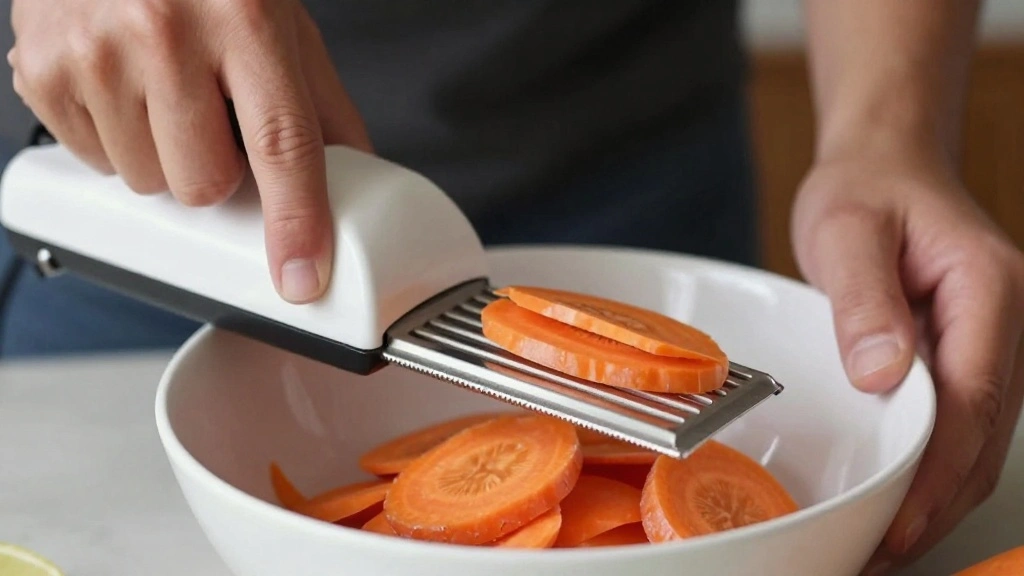
Peel the carrots using a vegetable peeler.
Slice the carrots thinly using a mandoline slicer.
Ensure all slices are of equal thickness for even texture.
Set aside in a large mixing bowl.
Step 2: Prepare the Cucumber
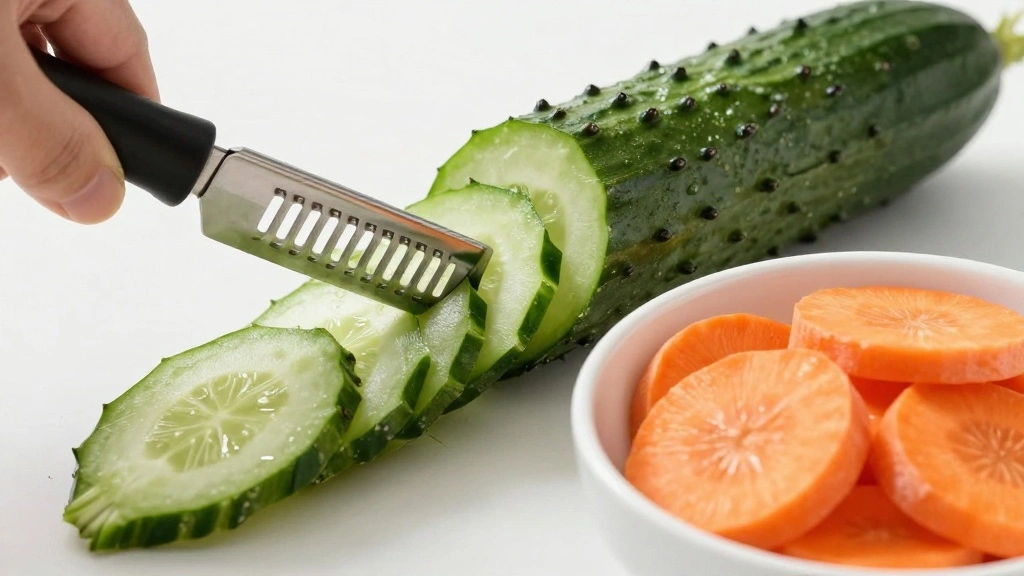
Wash the cucumber thoroughly.
Slice the cucumber thinly, maintaining uniform thickness.
Add the cucumber slices to the bowl with carrots.
Mix lightly to combine.
Step 3: Make the Dressing
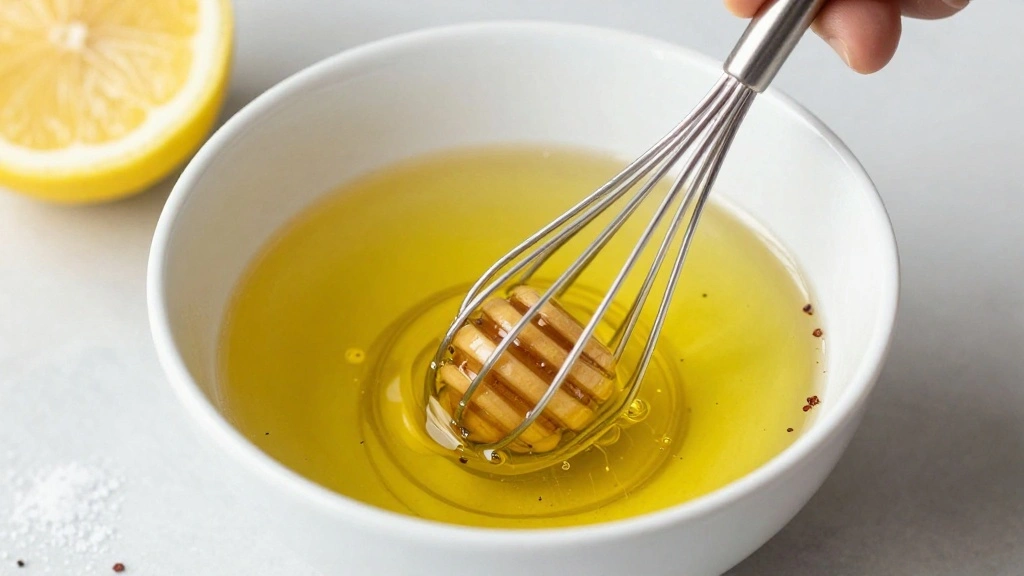
In a small bowl, combine olive oil, lemon juice, and honey.
Add salt and black pepper to the mixture.
Whisk briskly until the dressing is emulsified.
Taste and adjust seasoning if necessary.



Step 4: Combine Salad Ingredients
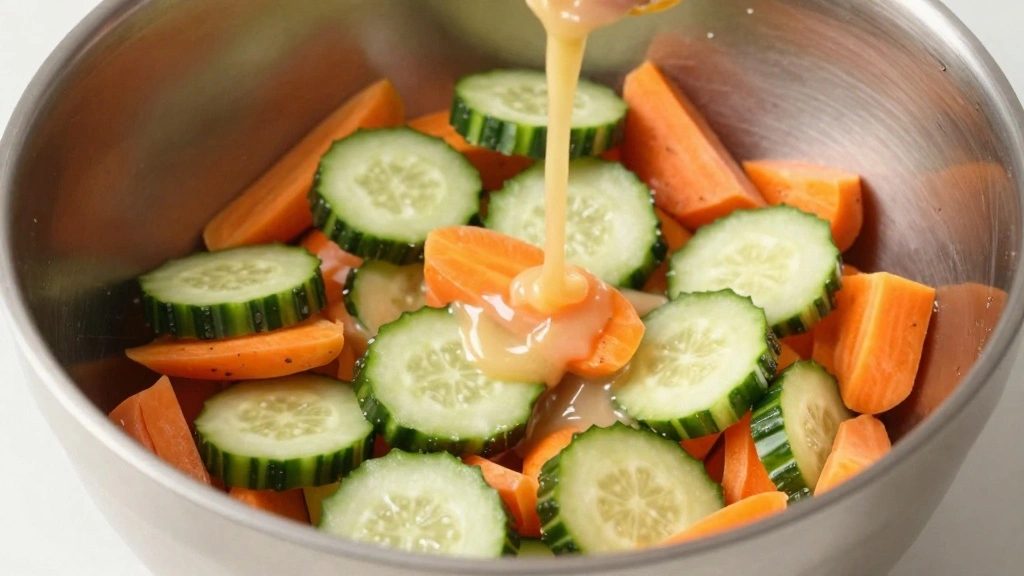
Pour the dressing over the carrot and cucumber slices.
Toss gently to ensure even coating of the dressing.
Check that all slices are lightly covered.
Avoid overmixing to prevent breaking the slices.


Step 5: Chill the Salad
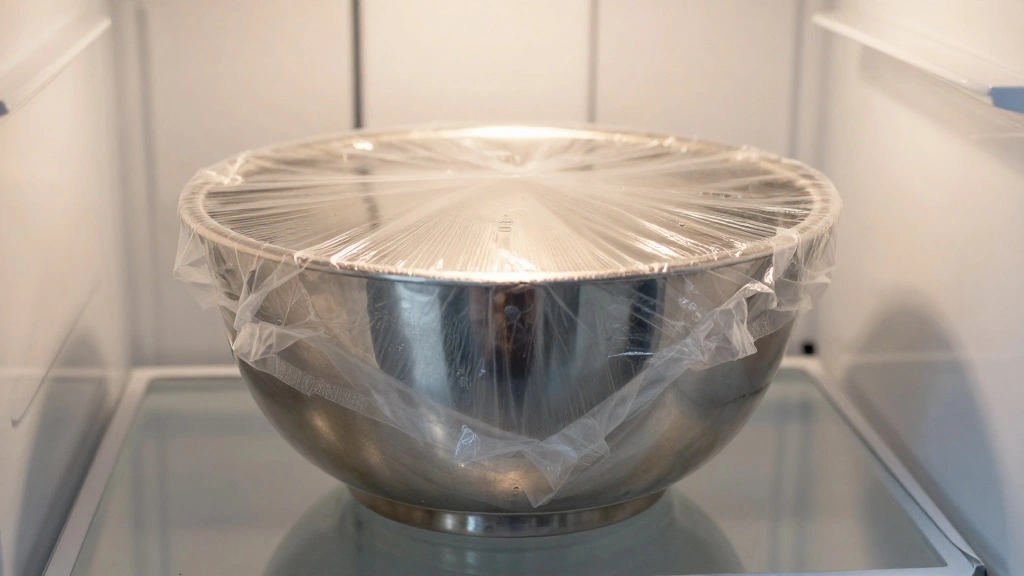
Cover the mixing bowl with plastic wrap.
Place the bowl in the refrigerator to chill.
Allow the salad to sit for at least 10 minutes.
This helps the flavors meld together.
Step 6: Taste and Adjust Seasoning
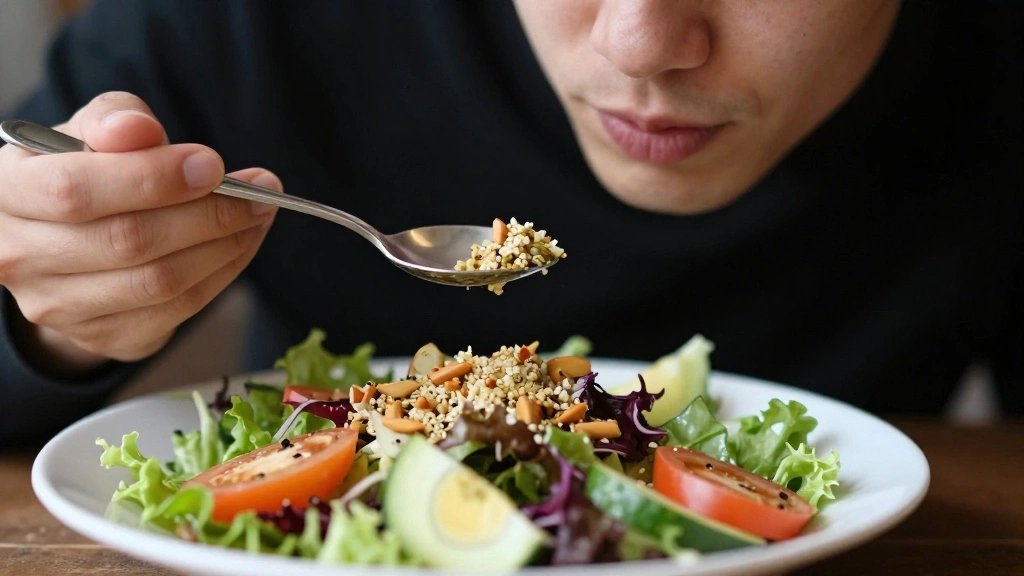
Remove the salad from the refrigerator.
Taste a small portion to assess seasoning.
Add more salt or pepper if needed.
Mix again gently to incorporate adjustments.



Step 7: Serve the Salad
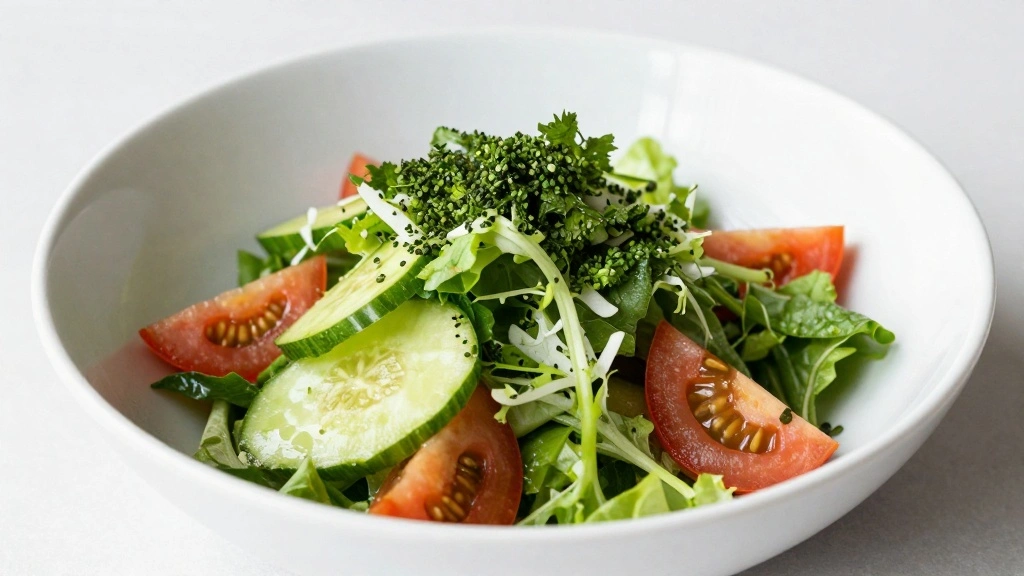
Transfer the salad to a serving dish.
Arrange the slices evenly for visual appeal.
Garnish with additional herbs if desired.
Serve immediately to retain freshness.


Step 8: Clean Up and Store Leftovers

Clean the equipment and work area promptly.
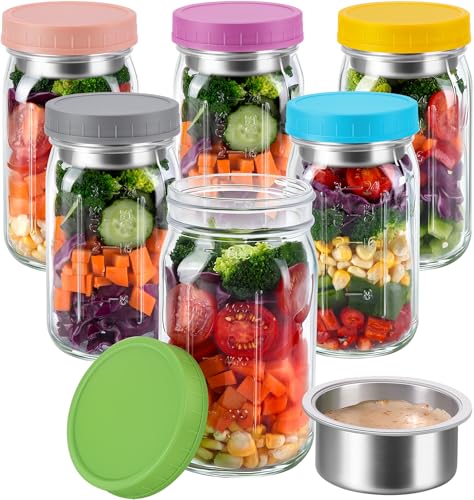
Store any leftover salad in an airtight container.
Keep in the refrigerator for up to 2 days.
The salad is best enjoyed fresh.
Critical Timing and Temperature Guide
Chilling Process: Chill the salad for at least 10 minutes, or up to 30 minutes for a more intense flavor melding. Avoid over-chilling, as the vegetables can lose their crispness.
Dressing Emulsification: Whisk the dressing until it reaches a creamy consistency. This should take about 1-2 minutes. If not properly emulsified, the dressing will separate quickly.
Serving Temperature: Serve the salad cold for the best refreshing taste. If it sits out for more than an hour, transfer it back to the fridge.


Pro Tips for Carrot and Cucumber
• Ingredient Selection: Choose firm, fresh cucumbers and carrots. Look for vibrant colors and avoid any soft spots.
• Preparation Secret: Toss the vegetables in salt before dressing to draw out excess moisture, enhancing flavor absorption.
• Temperature Management: Use cold ingredients and tools to maintain the salad's refreshing quality.
• Texture Enhancement: Slice vegetables as thinly as possible to achieve that signature crunch.
• Flavor Layering: Add a pinch of cumin to the dressing for a subtle depth of flavor.
• Make-Ahead Strategies: Prepare the vegetables and dressing separately up to a day in advance. Combine just before serving.
• Restaurant-Quality Finishing Touches: Garnish with fresh mint or dill for an aromatic boost.
• Equipment Optimization: Ensure your mandoline slicer is sharp for precise and safe slicing.
Troubleshooting Common Issues
• Vegetables Too Soggy: This issue is often caused by slicing the vegetables too thinly or dressing them too early. To fix, serve immediately after dressing.
• Flavors Unbalanced: If the dressing tastes too acidic, add a bit more honey. If too sweet, add a splash of lemon juice.
• Unevenly Coated Salad: Ensure you toss the salad gently but thoroughly. Use your hands for better control.
• Dressing Separating: This occurs if the dressing isn't emulsified properly. Whisk again before serving.
• Loss of Crunch: Serve the salad as soon as possible after dressing. If stored, consume within two days to maintain texture.
Variations and Regional Differences
• Asian Style: Use rice vinegar and sesame oil in place of olive oil and lemon juice. Add a sprinkle of sesame seeds for a nutty flavor.
• Mediterranean Twist: Incorporate feta cheese and olives for a richer, tangier profile.
• Spicy Version: Add sliced jalapeños or a dash of chili flakes to the dressing for an extra kick.
• Herb-Infused: Mix in fresh herbs like cilantro or parsley for an herbaceous twist.
Food Science Behind the Recipe
• Emulsification: The process of emulsifying the oil and lemon juice creates a stable dressing that clings better to the vegetables.
• Cell Structure: Thin slicing affects the cell structure of the vegetables, enhancing their ability to absorb flavors while maintaining crunch.
• Acid and Salt Interaction: Acid from the lemon juice and salt draw out moisture, concentrating the natural flavors of the vegetables.


Frequently Asked Questions
What's the most common mistake people make when preparing Carrot and Cucumber Salad? Overdressing the salad, which can make the vegetables soggy and overpower the natural flavors.
Can I use different types of cucumbers? Yes, English cucumbers are a great alternative as they have fewer seeds and a thinner skin.
How do I keep the vegetables from getting watery? Salt the vegetables lightly before dressing to draw out excess moisture and enhance flavor.
Is it possible to add protein to this salad? Absolutely, adding grilled chicken or shrimp can make it a more substantial meal.
Can the salad be made vegan? Yes, simply replace honey with agave syrup or omit it altogether.
How do I store leftovers? Store in an airtight container in the refrigerator and consume within two days for the best texture.
What should I do if the dressing seems too thick? Thin it out with a little water or additional lemon juice until you reach the desired consistency.
Serving and Presentation Guide
• Traditional Presentation: Serve the salad in a shallow, wide bowl to showcase the vibrant colors and textures.
• Individual Servings: Plate the salad in small individual bowls or cups for a more elegant presentation at dinner parties.
• Garnish Options: Use fresh herbs like mint or dill as a garnish to add a pop of color and flavor.
• Buffet Style: Present the salad on a large platter, allowing guests to serve themselves. Arrange the slices neatly for visual appeal.
Conclusion
Carrot and Cucumber Salad is a refreshing and simple dish that promises to delight your taste buds.
With its vibrant colors and crisp texture, it's perfect for any occasion.
I encourage you to try this recipe and enjoy its fresh, natural flavors.
It's a quick and easy addition to your culinary repertoire that everyone will love.