
Slow Cooker Recipes: Easy Meals, Less Effort!
Family-friendly dishes for busy people — quick prep, delicious results.
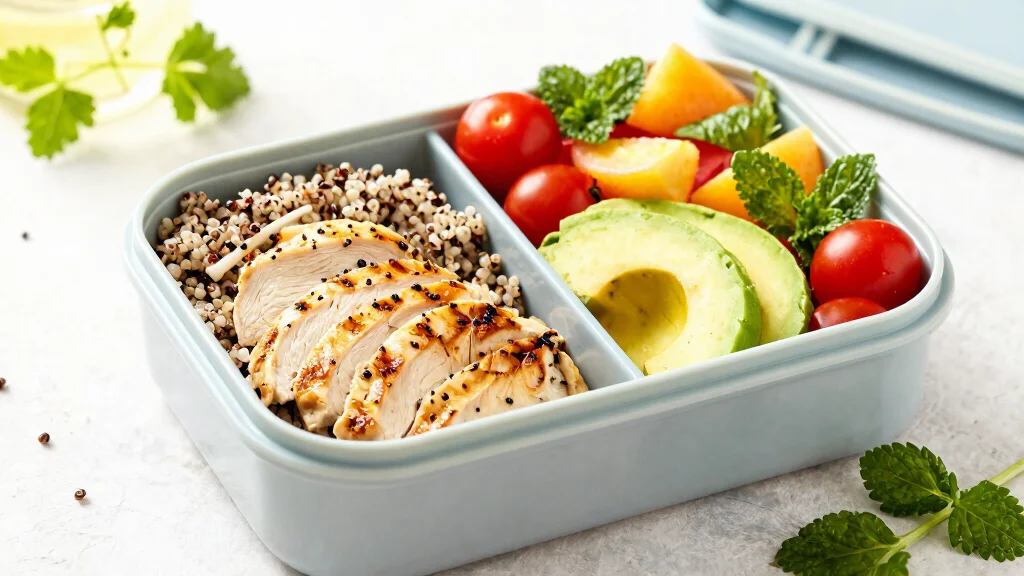
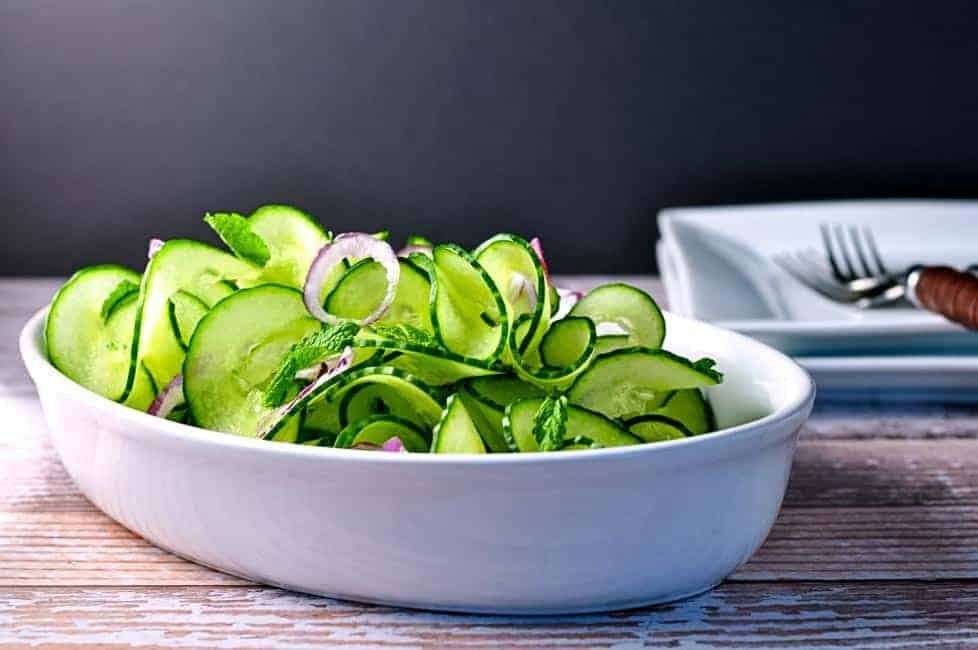
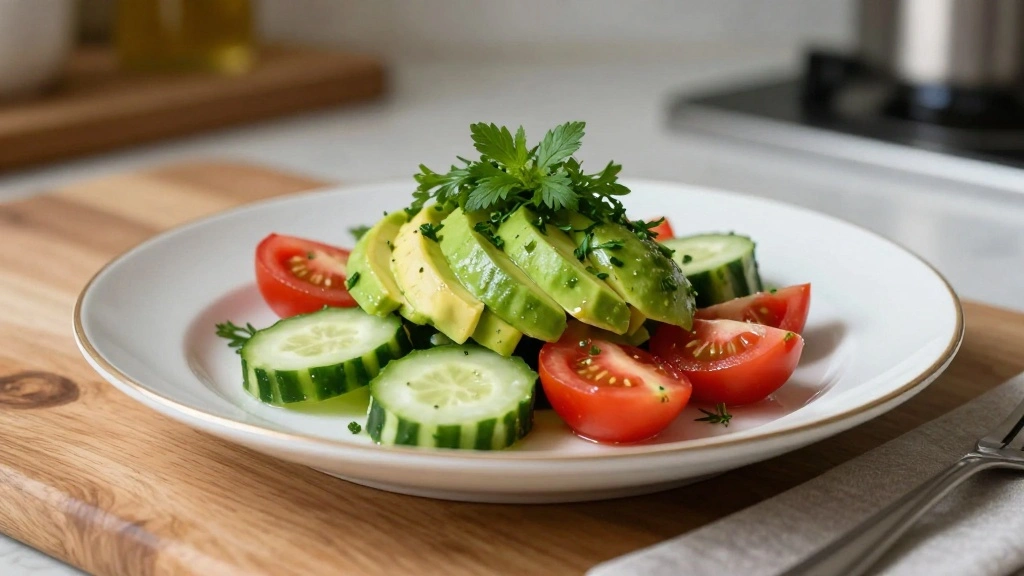
Grab yours for $4The vibrant medley of cucumber, tomato, and avocado creates a refreshing and satisfying salad that’s perfect for any occasion.
I first encountered this delightful combination during a summer picnic, where its fresh flavors were a hit among friends and family.
The creamy avocado pairs beautifully with the crisp cucumber and juicy tomatoes, creating a textural harmony that’s hard to resist.
This salad is not only a feast for the taste buds but also a visually appealing dish that adds color to any table.
Ideal for a light lunch or as a side dish to complement a heavier main course, this salad is both versatile and simple to prepare.
Whether you’re enjoying a sunny day outdoors or craving something fresh indoors, this Cucumber Tomato Avocado Salad with Fresh Herbs is sure to please.
The History and Cultural Significance
• Cucumber Tomato Avocado traces its origins to Mediterranean regions, where it was originally created by local farmers utilizing their fresh produce.
• The dish evolved over decades as global trade introduced avocados to new regions, eventually becoming the beloved version we know today.
• In Mediterranean culture, this dish traditionally appears at summer gatherings and picnics, symbolizing freshness and abundance.
• While many variations exist across different regions, the authentic version maintains the balance of fresh ingredients and herbs that sets it apart from imitations.


Recipe Overview
Nutritional Information (per serving)
Essential Equipment Guide
Sharp Chef’s Knife: A sharp knife is crucial for achieving clean, precise cuts on the vegetables, which enhances the overall presentation and texture of the salad. A dull knife can crush the ingredients, releasing excess water and affecting taste. Alternatives include a quality paring knife for smaller hands or a mandoline for consistent slices.
Cutting Board: A sturdy cutting board provides a stable surface, ensuring safety and efficiency while chopping. Look for a board with a non-slip base to prevent accidents.
Mixing Bowl: A large mixing bowl is essential to combine all ingredients evenly without making a mess. A glass or stainless steel bowl is recommended for its non-reactive properties, preserving the fresh taste of the salad.


Ingredients
Vegetables
|
| Amount | Ingredient | Notes |
|---|---|---|
| 1 large | cucumber | peeled and diced for crisp texture |
| 2 medium | tomatoes | diced, room temperature |
| 1 large | avocado | ripe, diced for creamy texture |
Seasonings
| Amount | Ingredient | Notes |
|---|---|---|
| 1 tablespoon | olive oil | adds richness and flavor |
| 1 tablespoon | lemon juice | freshly squeezed, enhances freshness |
| 1 teaspoon | salt | to taste, enhances flavor |
| 1/2 teaspoon | black pepper | freshly ground, adds subtle heat |
Herbs
| Amount | Ingredient | Notes |
|---|---|---|
| 1/4 cup | fresh cilantro | chopped, for garnish |
| 1/4 cup | fresh parsley | chopped, for garnish |


Preparation Methods
Dicing Technique: Dicing ensures uniform pieces that mix evenly for a consistent taste in every bite. To master this, ensure your knife is sharp and your cuts are deliberate. Practice making even cuts by visualizing a grid pattern on the vegetable's surface.
Herb Chopping: Chopping herbs releases their essential oils, enhancing the salad's aroma and flavor. Use a rocking motion with your knife to avoid bruising the herbs and maintain their vibrant color.
Dressing Emulsion: Emulsifying the olive oil and lemon juice creates a cohesive dressing that clings to the salad ingredients. Whisk vigorously in a small bowl before adding to the salad to achieve a smooth texture.



Step 1: Prepare Ingredients
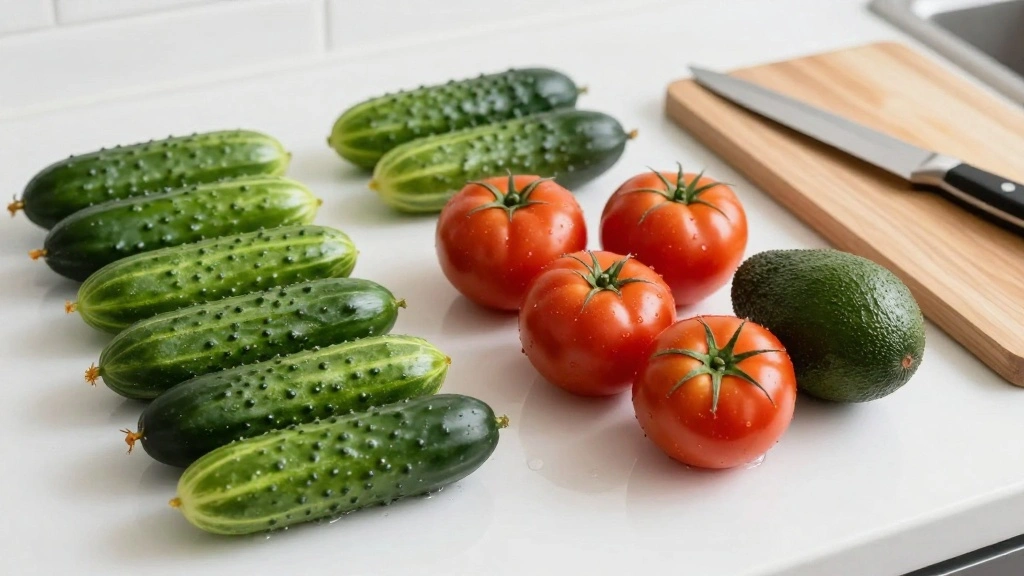
Wash all vegetables under cold running water to remove any dirt or pesticides.
Pat them dry with a clean kitchen towel to prevent excess moisture in the salad.
Gather all the ingredients in one place for easy access during preparation.
Ensure that your cutting board and knife are clean and ready to use.



Step 2: Dice the Cucumber
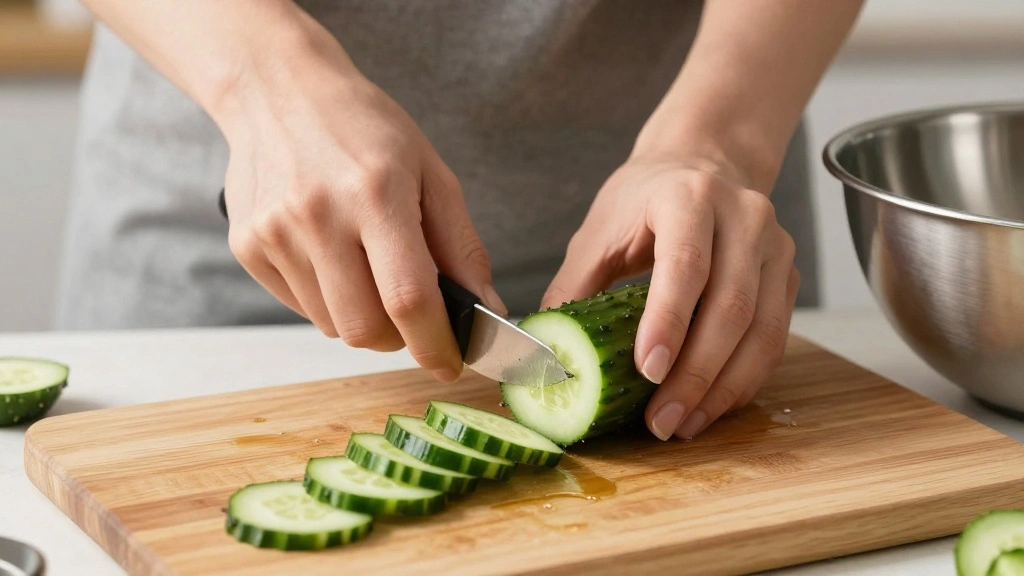
Peel the cucumber using a vegetable peeler for a smooth texture.
Cut the cucumber in half lengthwise, then into strips.
Dice the strips into bite-sized pieces, ensuring uniformity.
Transfer the diced cucumber to a large mixing bowl.
Step 3: Dice the Tomatoes
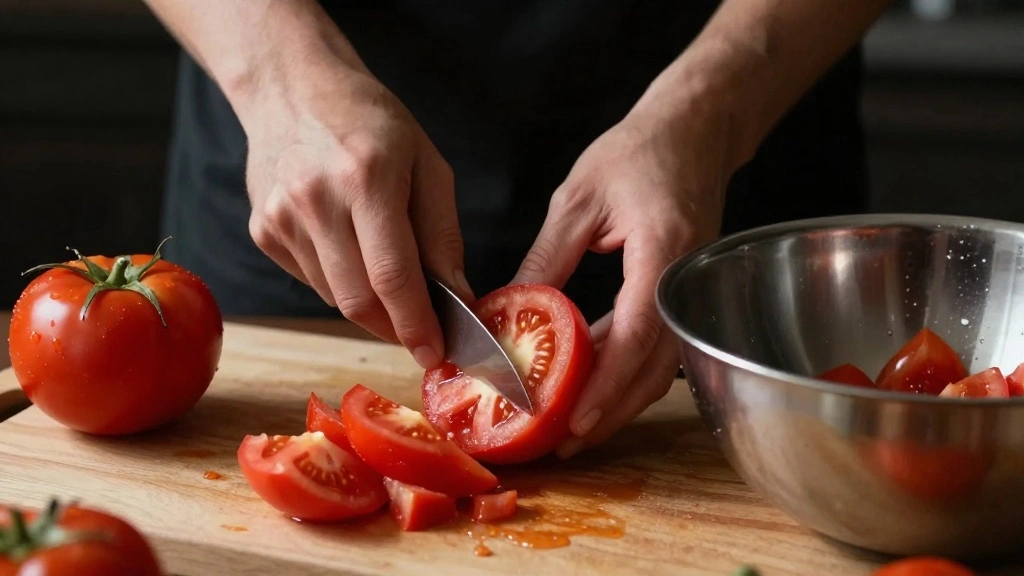
Remove the core from the tomatoes using a sharp knife.
Cut the tomatoes into quarters, then into smaller pieces.
Ensure that the tomato pieces are similar in size to the cucumber.
Add the diced tomatoes to the mixing bowl with the cucumber.
Step 4: Prepare the Avocado
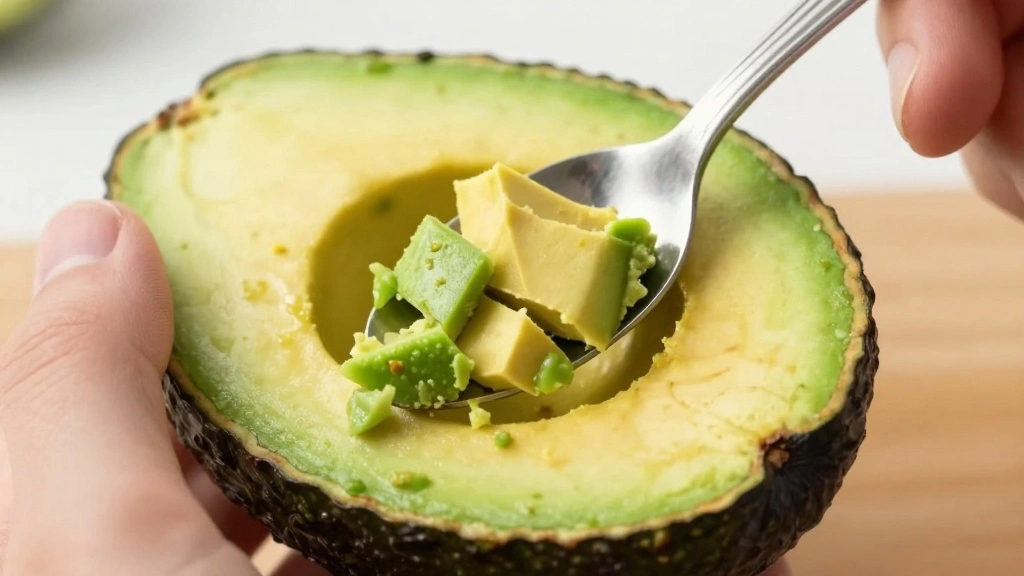
Cut the avocado in half lengthwise and remove the pit carefully.
Use a spoon to scoop out the avocado flesh from the skin.
Dice the avocado into chunks similar in size to the other vegetables.
Gently add the diced avocado to the mixing bowl to avoid mashing.
Step 5: Chop Fresh Herbs
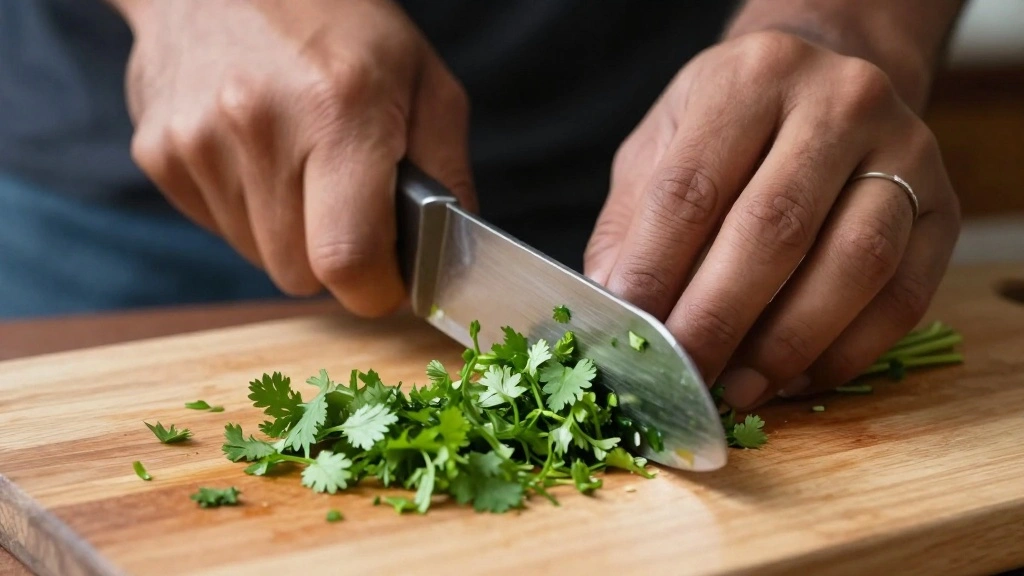
Rinse the cilantro and parsley and pat them dry using a paper towel.
Gather the herbs into a small bunch on the cutting board.
Use a sharp knife to chop the herbs finely without bruising them.
Add the chopped herbs to the mixing bowl for aromatic freshness.
Step 6: Make the Dressing
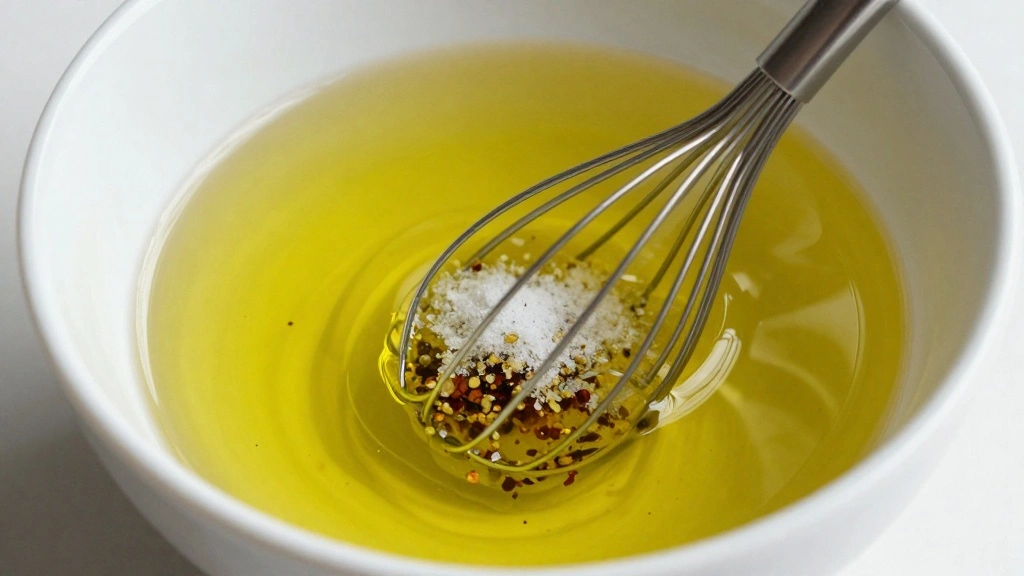
In a small bowl, combine olive oil and freshly squeezed lemon juice.
Add salt and freshly ground black pepper to taste.
Whisk the mixture vigorously to create a uniform emulsion.
Taste and adjust seasoning if necessary, ensuring a balanced flavor.



Step 7: Combine Salad Ingredients
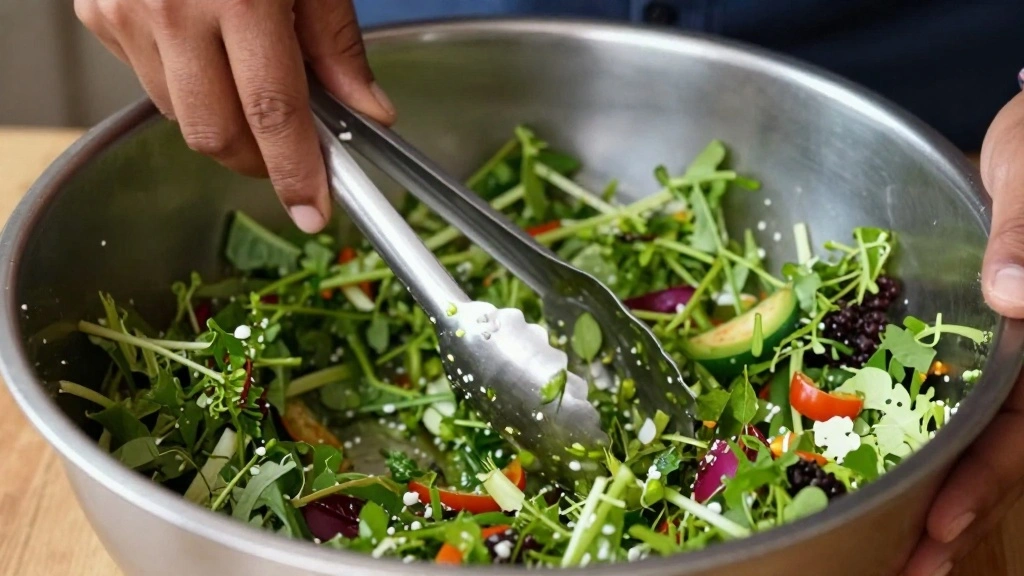
Pour the dressing over the vegetables and herbs in the mixing bowl.
Use a large spoon or salad tongs to gently toss the ingredients together.
Ensure each piece is evenly coated with the dressing.
Be careful not to mash the avocado while mixing.


Step 8: Serve the Salad
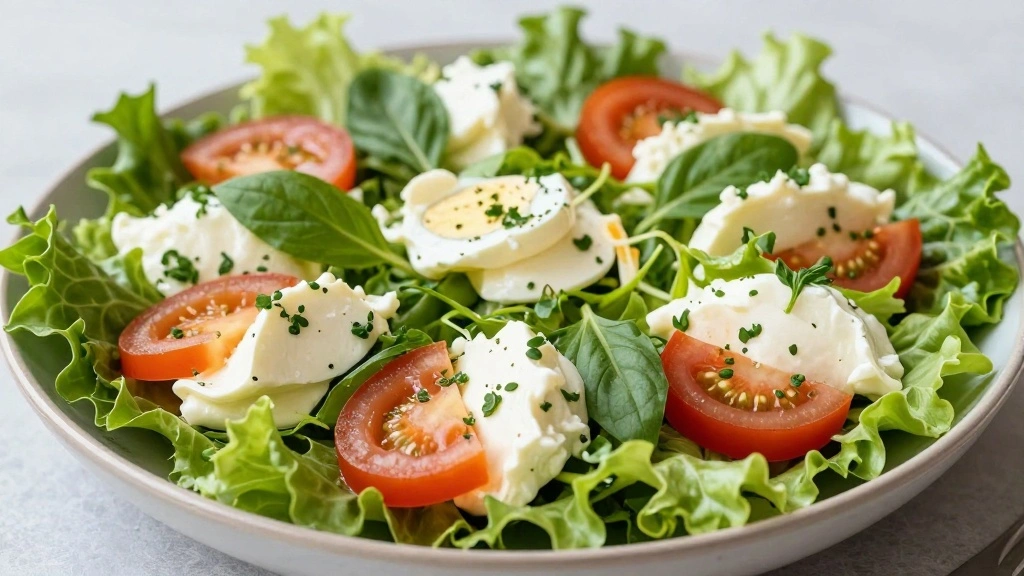
Transfer the salad to a serving dish or individual plates.
Garnish with additional fresh herbs for a vibrant appearance.
Serve immediately to enjoy the fresh flavors and textures.
Consider adding a sprinkle of sea salt or a dash of pepper for added taste.


Critical Timing and Temperature Guide
Vegetable Preparation: Ensure vegetables are at room temperature for maximum flavor release. Avoid keeping them in the refrigerator right before preparation.
Dressing Emulsion: Whisk the dressing for at least 30 seconds to achieve a stable emulsion. Look for a consistent texture without separation.
Serving Time: Serve the salad immediately after preparation to maintain optimal freshness and texture. Delaying serving may result in soggy vegetables.


Pro Tips for Cucumber Tomato Avocado
• Ingredient Selection: Choose ripe Hass avocados for their creamy texture and full flavor, and opt for firm yet ripe tomatoes to avoid excessive juiciness.
• Preparation Secret: Adding a pinch of sugar to the dressing can enhance the natural sweetness of the tomatoes, balancing the salad's flavors.
• Temperature Management: Use room temperature ingredients to ensure the salad's flavors meld together harmoniously.
• Texture Enhancement: Gently toss the salad ingredients to preserve the avocado's creamy texture, preventing it from becoming mushy.
• Flavor Layering: Use a combination of herbs like cilantro and parsley to add depth and complexity to the salad's flavor profile.
• Make-Ahead Strategies: Prepare the vegetables and herbs in advance, storing them separately in airtight containers. Add the avocado and dressing just before serving.
• Restaurant-Quality Finishing Touches: A light dusting of smoked paprika can add a unique depth of flavor and an appealing visual contrast.
• Equipment Optimization: Use a ceramic knife to prevent oxidation when cutting avocados, preserving their vibrant green color.
Troubleshooting Common Issues
• Mushy Avocado: This occurs when the avocado is overripe or overly mixed. Select avocados that have a slight give when pressed but are not overly soft.
• Watery Salad: Caused by excess moisture from vegetables. Ensure they are thoroughly dried before dicing.
• Flavors Unbalanced: If the salad tastes flat, adjust the seasoning by adding a touch more lemon juice or salt.
• Bland Dressing: Ensure the dressing is well-emulsified and taste it before adding to the salad. Consider adding a hint of garlic or mustard for more depth.
• Herbs Turning Brown: This can happen if herbs are not dried properly after washing. Pat them dry gently to maintain their freshness and color.
• Overpowering Herb Flavor: Use herbs in moderation and taste as you go to prevent them from dominating the salad.
Variations and Regional Differences
• Mediterranean Variation: This version incorporates feta cheese and olives for added richness and tang, reflecting the flavors of the Mediterranean region.
• Mexican Style: Includes jalapeños and lime juice instead of lemon, adding a spicy and zesty kick typical of Mexican cuisine.
• Asian Influence: Adds soy sauce and sesame oil to the dressing, along with sliced green onions, for an umami-rich twist.
• Southwestern Twist: Features black beans and corn, enhancing the salad's heartiness and introducing a southwestern flair.
Food Science Behind the Recipe
• Emulsion Science: The process of emulsifying olive oil and lemon juice creates a uniform dressing that clings to ingredients, enhancing flavor distribution.
• Enzymatic Browning: Understanding how to prevent avocado browning by adding acidic lemon juice can keep the salad visually appealing.
• Flavor Synergy: The combination of fresh herbs and vegetables creates a synergistic effect, amplifying the overall taste experience.


Frequently Asked Questions
What's the most common mistake people make when preparing Cucumber Tomato Avocado Salad? Overmixing the salad, which can lead to mushy ingredients, particularly the avocado.
Can I prepare this salad in advance? Yes, but keep the avocado and dressing separate until just before serving to maintain freshness.
How can I prevent the avocado from browning? Use lemon juice, which contains ascorbic acid, to slow down oxidation and keep the avocado green.
Is it possible to make this salad vegan? The salad is naturally vegan, as it contains no animal products.
Can I add protein to this salad? Yes, grilled chicken or shrimp can add protein and make the salad more substantial.
How should leftovers be stored? Store leftovers in an airtight container in the refrigerator and consume within 24 hours for best quality.
What can I substitute for cilantro if I don't like it? Fresh basil or mint can be used as an alternative to cilantro for a different flavor profile.
How do I ensure the salad is not too watery? Thoroughly dry all vegetables after washing to prevent excess liquid in the salad.
Serving and Presentation Guide
• Traditional Presentation: Serve the salad in a large, shallow bowl to showcase its vibrant colors, with a sprig of fresh herbs on top for visual appeal.
• Individual Servings: Plate the salad in small bowls or on plates for personalized presentation, ideal for formal dining.
• Layered Display: Arrange the ingredients in layers for a unique presentation, highlighting each component's color and texture.
• Garnish Ideas: Use edible flowers or a dusting of smoked paprika as a garnish for added color and sophistication.
Conclusion
This Cucumber Tomato Avocado Salad with Fresh Herbs is a delightful dish that celebrates fresh, vibrant ingredients.
Its simple preparation and versatile nature make it a must-try for any occasion.
Embrace the flavors of summer and enjoy a healthy, delicious salad that's sure to impress.