
Slow Cooker Recipes: Easy Meals, Less Effort!
Family-friendly dishes for busy people — quick prep, delicious results.
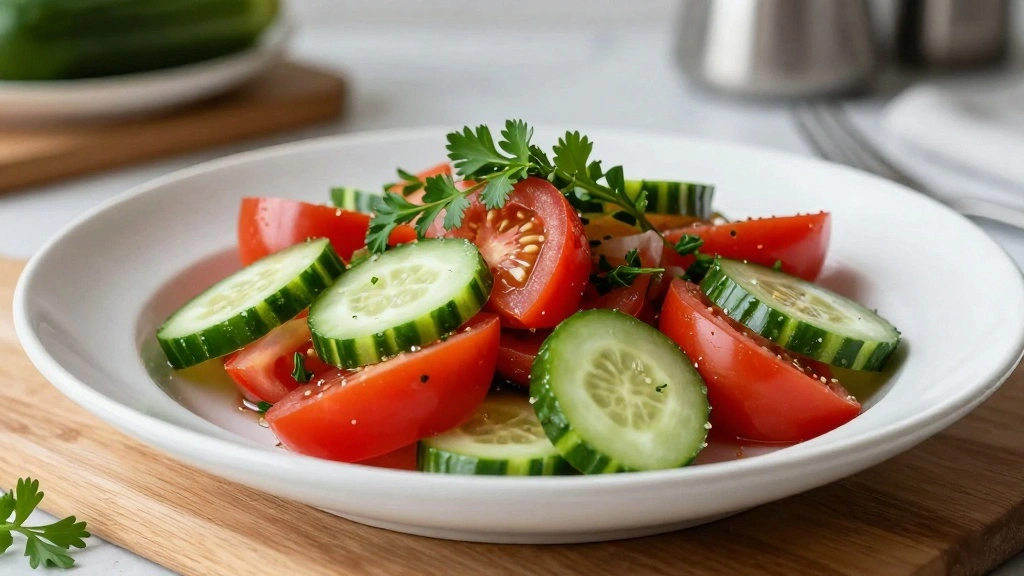
Grab yours for $4This classic Greek Tomato and Cucumber Salad brings together centuries of culinary tradition with modern simplicity to create a dish that’s both refreshing and nourishing.
The harmonious balance of ripe tomatoes, crisp cucumbers, and tangy feta cheese creates a memorable dining experience that will have everyone asking for your secret.
I discovered this recipe during my travels through the Mediterranean, where local chefs have perfected it through generations of careful refinement.
Whether you’re preparing a casual family dinner or hosting a special celebration, this Greek Tomato and Cucumber Salad delivers impressive results with straightforward preparation.
The History and Cultural Significance
• Greek Tomato and Cucumber Salad traces its origins to ancient Greece, where it was originally created by utilizing fresh, local produce.
• The dish evolved over decades as olive oil and feta cheese became staples, eventually becoming the beloved version we know today.
• In Greek culture, this dish traditionally appears at family gatherings and celebrations, symbolizing community and freshness.
• While many variations exist across different regions, the authentic version maintains the use of high-quality olive oil and simple seasonings that set it apart from imitations.


Recipe Overview
Nutritional Information (per serving)
Essential Equipment Guide
Salad Bowl: A large, shallow bowl is crucial for evenly mixing the ingredients without crushing the delicate vegetables. Ceramic or glass bowls are preferred for their non-reactive properties.
Chef’s Knife: A sharp chef’s knife is essential for cleanly slicing through tomatoes and cucumbers. Ensure it’s well-balanced for comfort during extended use.
Whisk: A small whisk is useful for emulsifying the dressing quickly and evenly. Look for a sturdy handle and tightly spaced wires for best results.


Ingredients
Vegetables
|
| Amount | Ingredient | Notes |
|---|---|---|
| 3 medium | tomatoes | diced, room temperature |
| 1 large | cucumber | peeled and sliced |
| 1 small | red onion | thinly sliced |
Seasonings
| Amount | Ingredient | Notes |
|---|---|---|
| 1 teaspoon | salt | enhances flavor |
| 1 teaspoon | dried oregano | adds aromatic flavor |
For the Dressing
| Amount | Ingredient | Notes |
|---|---|---|
| 3 tablespoons | olive oil | adds richness |
| 1 tablespoon | red wine vinegar | provides tanginess |
Extras
| Amount | Ingredient | Notes |
|---|---|---|
| 1/2 cup | feta cheese | crumbled |
| 1/4 cup | Kalamata olives | pitted |


Preparation Methods
Proper Vegetable Slicing: To achieve the right texture, ensure uniform slices of cucumber and tomatoes. This technique enhances the salad's visual appeal and ensures even flavor distribution.
Emulsifying the Dressing: Whisk the olive oil and vinegar vigorously to emulsify, creating a homogeneous dressing that clings to the vegetables perfectly.
Salad Tossing: Gently toss ingredients using a folding motion to combine without bruising the delicate components, preserving their freshness.



Step 1: Prepare Ingredients
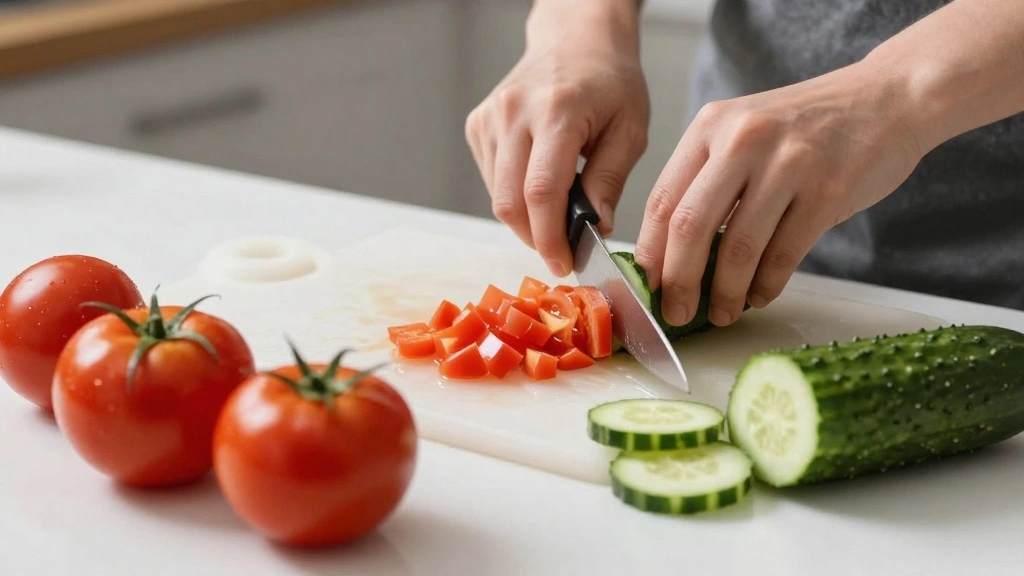
Wash the tomatoes and cucumber thoroughly.
Dice the tomatoes into medium-sized cubes and set aside.
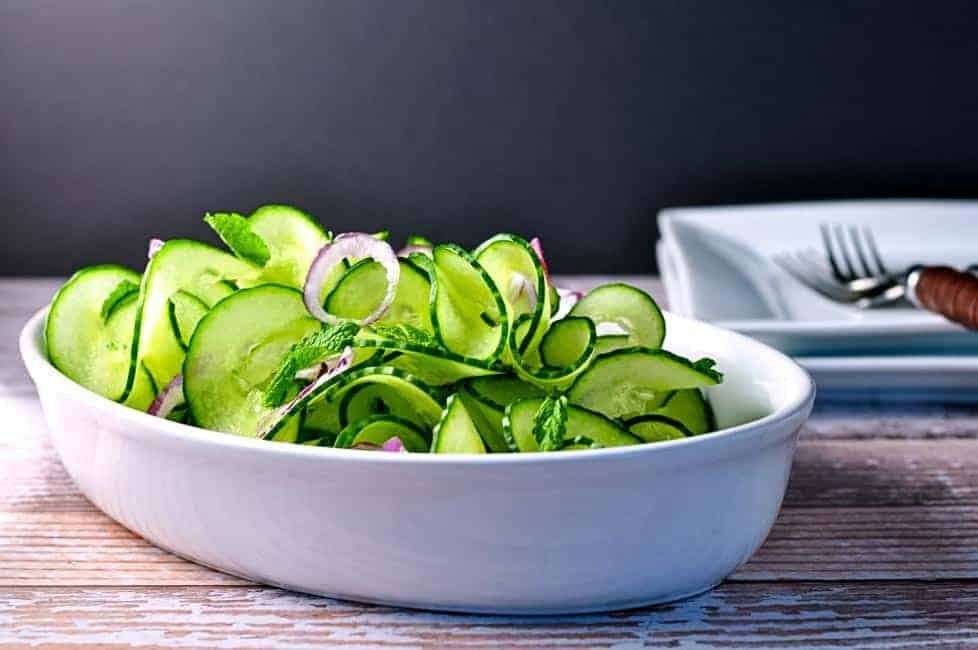
Peel the cucumber and slice it into thin rounds.
Ensure the slices are even for a uniform texture in the salad.



Step 2: Slice the Onion
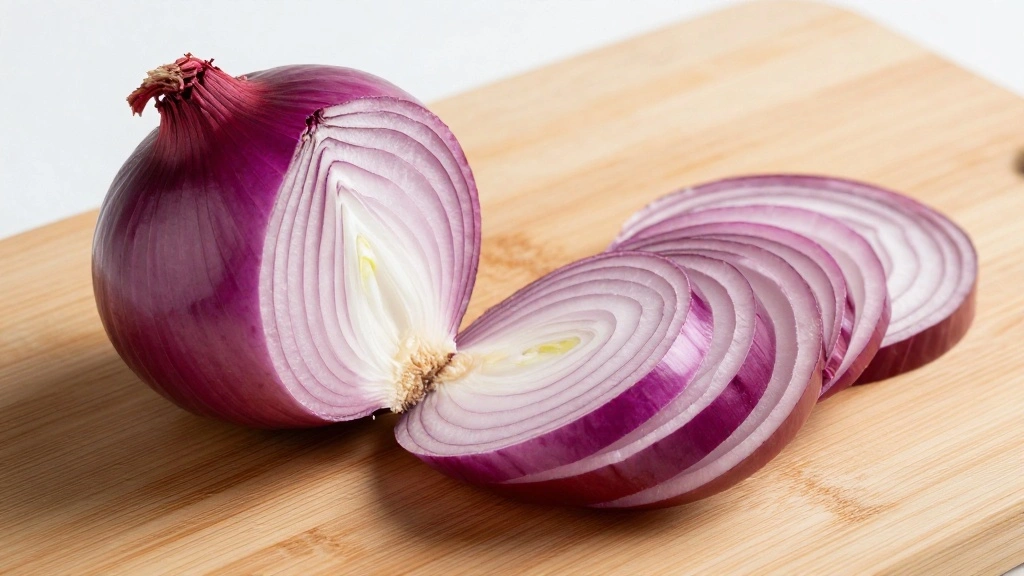
Peel the red onion and cut it in half.
Slice the onion thinly to ensure its flavor is well distributed.
Separate the slices into individual rings.
Set aside for later use in the salad.

Step 3: Crumble the Feta Cheese
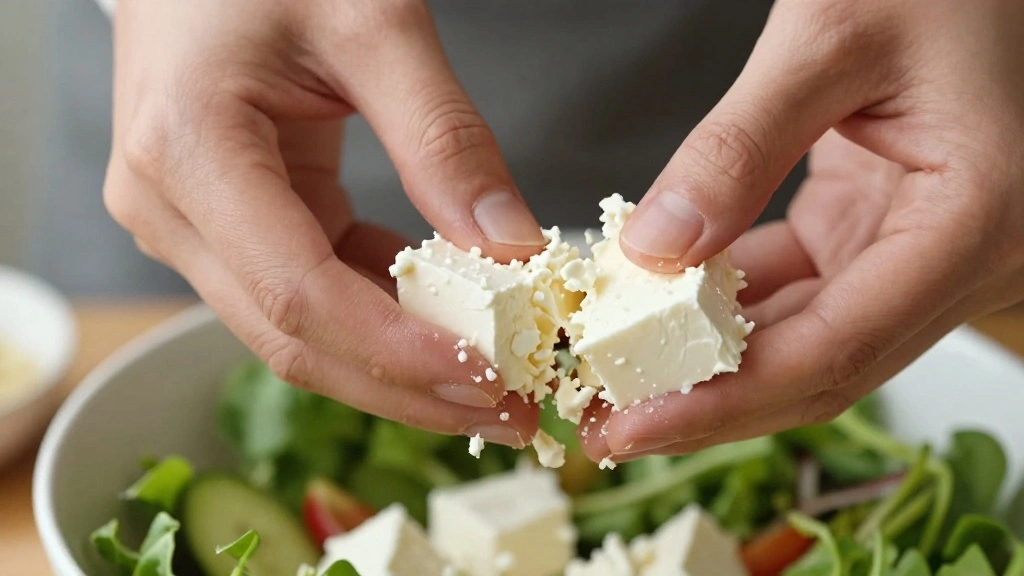
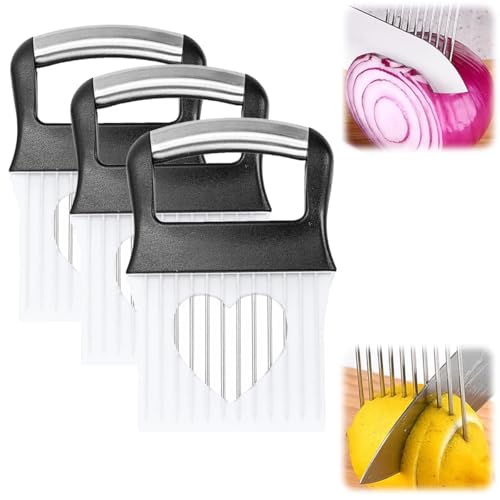
Take a block of feta cheese and crumble it into small pieces.
Ensure the pieces are small enough to distribute evenly throughout the salad.
Use your fingers to break it up gently.
Set the crumbled cheese aside in a small bowl.
Step 4: Prepare the Dressing
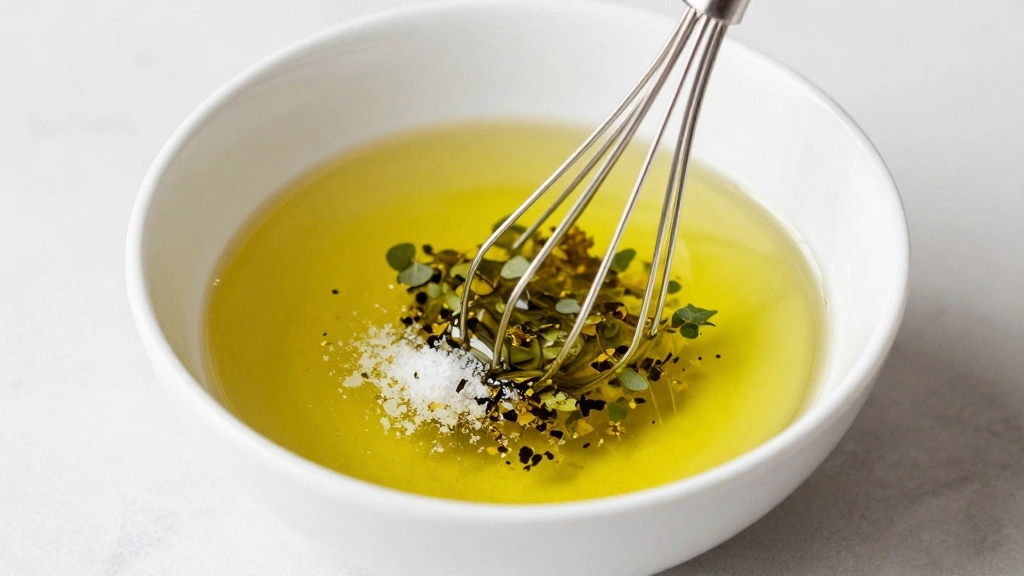
In a small mixing bowl, combine olive oil and red wine vinegar.
Add salt and dried oregano to the bowl.
Whisk vigorously until the oil and vinegar are emulsified.
Taste and adjust seasoning if necessary.


Step 5: Combine Vegetables
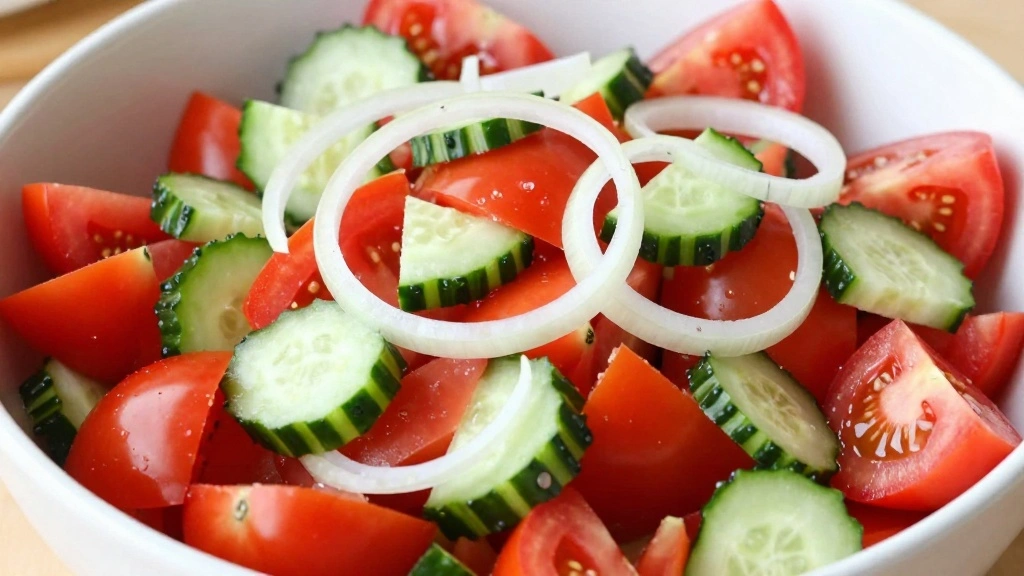
In a large salad bowl, add the diced tomatoes and sliced cucumber.
Add the sliced red onion rings to the bowl.
Gently toss the vegetables to mix them evenly.
Be careful not to crush the tomatoes.


Step 6: Add Feta and Olives
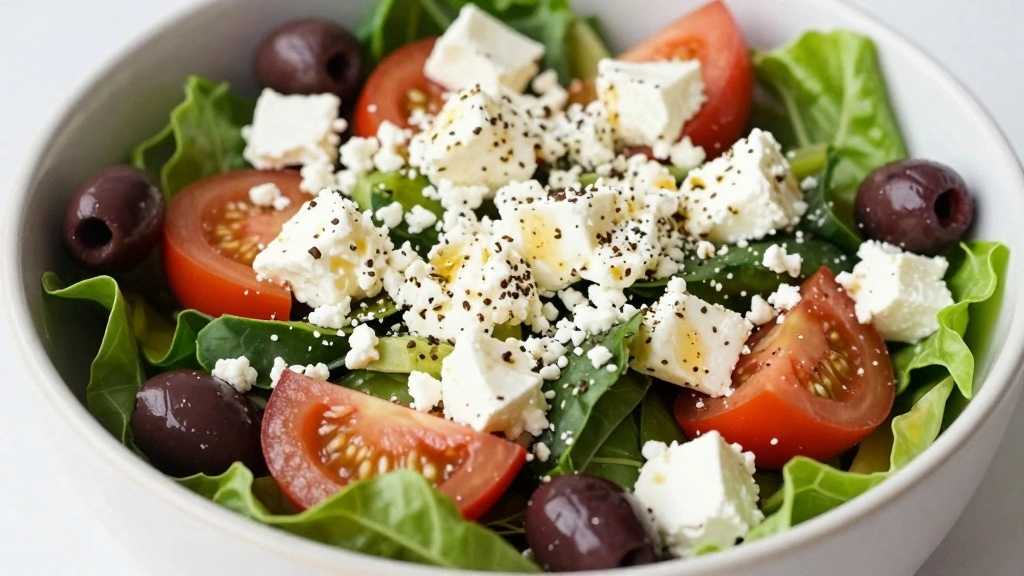
Sprinkle the crumbled feta cheese over the mixed vegetables.
Add the Kalamata olives on top of the salad.
Distribute them evenly throughout the bowl.
The feta and olives add a salty and rich flavor.
Step 7: Dress the Salad
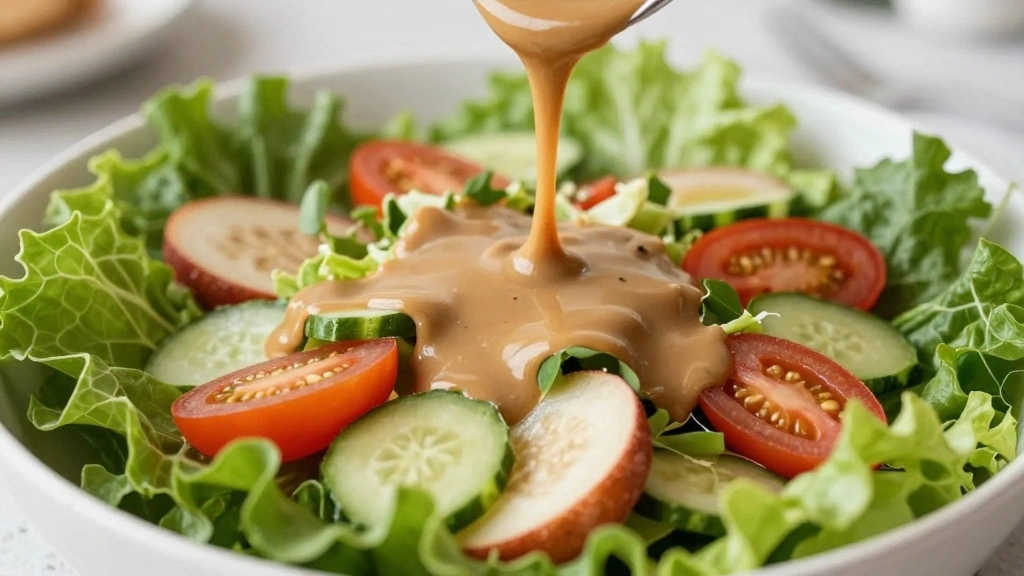
Pour the prepared dressing over the salad.
Use a large spoon to gently toss the salad, ensuring even coating.
Mix until all ingredients are well combined and coated.
This step enhances the flavor of each component.
Step 8: Final Touches
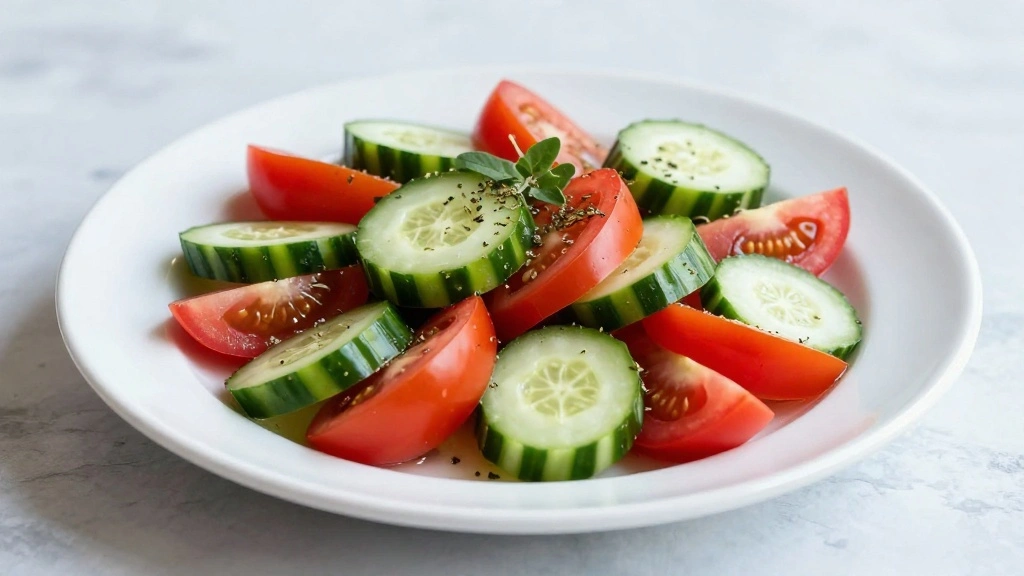
Taste the salad for seasoning and adjust if necessary.
Optionally, garnish with a sprinkle of additional oregano.
Serve immediately for the freshest taste.
Enjoy the refreshing and tangy flavors of the salad.
Critical Timing and Temperature Guide
Vegetable Chilling: Keep vegetables at room temperature to prevent them from becoming too firm and losing flavor. Avoid refrigerating for the best taste.
Dressing Emulsification: Whisk the dressing for about 30 seconds until fully emulsified; look for a uniform color and consistency.
Serving Time: Serve the salad immediately after dressing to maintain freshness and flavor balance. Avoid letting it sit too long as the vegetables can become soggy.


Pro Tips for Greek Tomato and Cucumber Salad
• Ingredient Selection: Use ripe tomatoes and firm cucumbers for the best flavor and texture. Fresh, high-quality produce makes a noticeable difference.
• Preparation Secret: Let the salad sit for 5 minutes after dressing to allow flavors to meld without the vegetables becoming soggy.
• Temperature Management: Ensure the olive oil is at room temperature to achieve the best emulsification for the dressing.
• Texture Enhancement: Avoid over-mixing the salad to maintain the integrity of the vegetables and feta cheese.
• Flavor Layering: Add a pinch of salt directly to the tomatoes before mixing to enhance their natural sweetness.
• Make-Ahead Strategies: Prepare vegetables and dressing separately up to 4 hours in advance, storing them in airtight containers, then combine just before serving.
• Restaurant-Quality Finishing Touches: Top with a drizzle of extra virgin olive oil and a few whole olives for a polished presentation.
• Equipment Optimization: Use a whisk with tightly spaced wires to ensure a well-emulsified dressing even without a blender.
Troubleshooting Common Issues
• Watery Salad: Excess liquid can result from overripe tomatoes. Use firmer varieties and drain excess moisture before mixing.
• Bland Flavor: Ensure proper seasoning, particularly salt, and use high-quality ingredients to enhance natural flavors.
• Uneven Dressing: Whisk dressing thoroughly to emulsify and ensure even coating of all salad components.
• Soggy Vegetables: Serve the salad immediately after dressing to prevent vegetables from becoming too soft.
• Overpowering Onion: Soak onion slices in cold water for 10 minutes before using to mellow their sharpness.
• Lack of Texture: Ensure even and precise cutting of vegetables to maintain a consistent texture throughout the salad.
Variations and Regional Differences
• Cypriot Style: Includes additions like sliced radishes and capers, providing a unique twist with a sharper flavor profile.
• Island Version: Features local herbs such as mint, enhancing the salad with a fresh and aromatic note.
• Cretan Variation: Incorporates barley rusks, adding a crunchy texture that complements the soft vegetables.
• Village Style: Often includes a variety of local cheeses beyond feta, offering a creamier and more diverse flavor.
Food Science Behind the Recipe
• Emulsification: Understanding how oil and vinegar interact helps create a stable dressing that clings to salad ingredients for even flavor distribution.
• Osmosis in Vegetables: Salt draws out moisture from vegetables through osmosis, which can enhance or degrade texture depending on timing.
• Acidity and Flavor Enhancement: The acidity from vinegar not only balances flavors but also enhances the perception of freshness in vegetables.


Frequently Asked Questions
What's the most common mistake people make when preparing Greek Tomato and Cucumber Salad? Overdressing the salad, which can lead to soggy vegetables and an overpowering flavor.
Can I use different types of tomatoes? Yes, heirloom or cherry tomatoes can be used for varied textures and flavors.
Is it necessary to peel the cucumber? Peeling is optional, but it can reduce bitterness and improve texture.
How can I make this salad vegan? Omit the feta cheese or replace it with a plant-based alternative.
Can I prepare the salad in advance? Yes, but keep the dressing separate until just before serving to maintain freshness.
What can I serve with this salad? It pairs well with grilled meats, fish, or as part of a mezze platter.
How do I store leftovers? Store in an airtight container in the fridge and consume within 24 hours.
What if I don't have red wine vinegar? Substitute with white wine vinegar or lemon juice for a different tangy flavor.
Serving and Presentation Guide
• Traditional Presentation: Serve in a shallow, wide bowl for easy mixing and visual appeal, garnished with a few whole olives and a drizzle of olive oil.
• Individual Portions: Plate in small bowls or dishes for an elegant presentation, perfect for dinner parties or special occasions.
• Rustic Style: Use a wooden or ceramic bowl to emphasize the natural and simple ingredients, giving a homely feel.
• Buffet Setup: Present as part of a larger spread with accompanying dips and breads for a Mediterranean feast.
Conclusion
This Greek Tomato and Cucumber Salad is a testament to the beauty of simple, fresh ingredients coming together in harmony.
With its rich history and vibrant flavors, it's sure to become a favorite in your culinary repertoire.
Give this recipe a try and bring a taste of the Mediterranean to your table.