
Slow Cooker Recipes: Easy Meals, Less Effort!
Family-friendly dishes for busy people — quick prep, delicious results.
Grab yours for $4How can you make soft and moist gluten-free banana bread at home? This question has intrigued many home bakers seeking a delicious, satisfying treat without gluten. Achieving perfect gluten-free banana bread—one that is soft, moist, and full of flavor—can sometimes be challenging because gluten provides structure and elasticity in traditional baking. Without gluten, you need to rely on clever ingredient choices and techniques to create a loaf that rivals its gluten-packed counterparts. In this comprehensive guide, we’ll explore every facet of baking soft and moist gluten-free banana bread at home, from understanding key ingredients to troubleshooting common issues, so you can master this comforting classic with confidence.
Introduction: The Quest for Perfect Gluten-Free Banana Bread
For many people, bananas are the natural choice for a warm, hearty baked good—sweet, fragrant, and infinitely adaptable. When you decide to go gluten-free, the challenge shifts from simply substituting ingredients to understanding how different components behave in the absence of gluten. The goal is to produce banana bread that is tender and moist, with a crumb that feels luxurious without being dense or dry. Why is it so difficult sometimes? Because gluten naturally traps air and moisture, providing that characteristic lightness and keeping the loaf moist over time. In gluten-free baking, you must emulate these properties with alternative ingredients that might not have the same elasticity, such as gluten-free flours, binders, and moisture enhancers.
Achieving the ideal texture in gluten-free banana bread isn’t just about following a recipe; it’s about understanding how the ingredients work together. With patience and a few insider tips, you’ll discover that with the right approach, you can make soft, moist, gluten-free banana bread at home that rivals any bakery. So, whether you’re gluten-sensitive, vegan, or simply eager to diversify your baking repertoire, this guide offers all the insights you need to succeed.
Understanding Gluten-Free Baking: Key Ingredients and Considerations
Gluten-free baking hinges upon understanding the unique roles that various ingredients play in creating structure, moisture, and flavor. Unlike traditional wheat-based recipes, which rely heavily on gluten’s elasticity, gluten-free recipes must compensate for this absence with alternative stabilizers and binders such as xanthan gum, guar gum, or psyllium husk. These additions help hold the batter together and give the loaf a desirable crumb. Additionally, selecting the right gluten-free flours—such as almond, rice, sorghum, or oat flour—is critical. Combining these flours often yields better texture and flavor because each brings unique properties; for example, almond flour adds richness and moisture, while rice flour contributes lightness.
Another key factor is the use of moisture-packed ingredients that contribute to the bread’s softness. Ripe bananas are primary, naturally sweet, and help add moisture, but other ingredients like applesauce, Greek yogurt, or coconut milk can further enhance tenderness. Sweeteners such as honey or maple syrup not only add flavor but also help keep the bread moist over time. When baking gluten-free banana bread, it’s essential to strike a delicate balance between these ingredients to achieve optimal softness and moisture while maintaining structure. Incorporating a splash of vinegar or lemon juice can also react with baking soda to promote rise and lightness, making your bread airy rather than dense.
The Secret to Moistness: Mastering the Banana and Liquid Ratio
Moisture is the hallmark of an excellent gluten-free banana bread, and mastering the banana-to-liquid ratio is central to this. Overripe bananas are a natural choice—they provide sweetness, flavor, and an inherent moisture boost. The more ripe the bananas, the more natural sugars and liquids are released, resulting in a softer, more tender crumb. However, relying solely on bananas can lead to overly dense bread if not balanced properly. It’s crucial to combine the bananas with other liquids—such as eggs, milk, or dairy-free alternatives—to achieve a batter that is moist but not runny.
A common mistake is underestimating the importance of fat in moisture retention. Incorporating ingredients like melted butter or coconut oil helps to lock in moisture and improves the bread’s tenderness. The key is to maintain the right proportion: too much liquid can make the bread overly dense or cause it to collapse, while too little results in dryness. A good rule of thumb is to use approximately one ripe banana and 1/4 cup of liquid per cup of gluten-free flour, but always adjust according to the specific type of flour used. Resting the batter for 10–15 minutes before baking allows the ingredients to hydrate fully, leading to a softer, more moist result out of the oven.
Step-by-Step Guide: Baking Soft and Delicious Gluten-Free Banana Bread
Creating the perfect gluten-free banana bread starts with a good plan. Begin by preheating your oven to 350°F (175°C) and preparing your baking pan—greasing it or lining it with parchment paper to prevent sticking. In a large mixing bowl, mash your overripe bananas until smooth; this forms the flavor base and contributes to the bread’s moistness. In a separate bowl, whisk together your dry ingredients—gluten-free flours, baking powder, baking soda, salt, and any spices like cinnamon or nutmeg for added flavor.
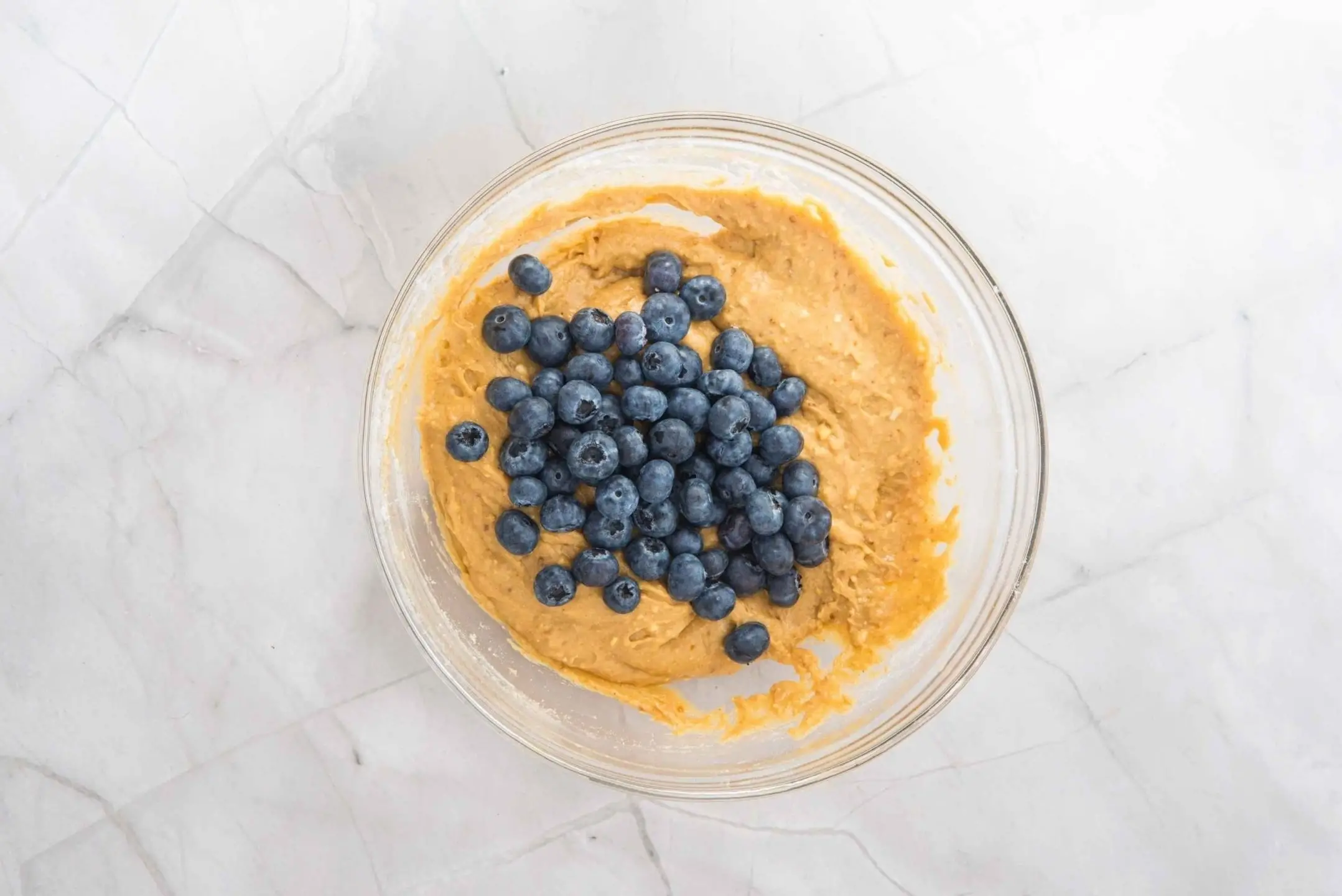
Next, combine your wet ingredients—mashed bananas, eggs, melted butter or oil, vanilla extract, and sweeteners. Stir these into the dry ingredients gently, just until combined; overmixing can develop undesirable density. For extra moisture and softness, consider adding yogurt, applesauce, or coconut milk at this stage. The batter should be thick but pourable; if it’s too stiff, incorporate a splash of milk or plant-based milk to loosen it. Pour the batter into your prepared pan and bake for 50–60 minutes, or until a toothpick inserted in the center comes out clean. Allow the bread to cool in the pan for about 15 minutes before transferring it to a wire rack, and let it cool completely before slicing. This approach ensures a soft, moist crumb that retains its tenderness over time.
Tips and Tricks: Elevating Your Gluten-Free Banana Bread Game
To elevate your gluten-free banana bread, consider these creative tips and tricks. For an extra moist and tender loaf, incorporate ingredients like sour cream, crème fraîche, or even mascarpone; these add richness and moisture that help compensate for the lack of gluten. Adding chopped nuts, chocolate chips, or dried fruits can create delightful textural contrasts and enhance the flavor profile. If you’re aiming for an ultra-soft crumb, try wrapping the cooled bread in a clean kitchen towel and storing it overnight; the residual moisture will settle, yielding a more moist slice the next day.
Another trick is to experiment with different gluten-free flour blends, as some yield a denser crumb than others. Using a blend that includes xanthan gum or psyllium husk can help mimic the elasticity of gluten, making the bread softer and more cohesive. Additionally, to prolong freshness and retain moisture, store your banana bread in an airtight container or wrap it tightly with plastic wrap. Reheating slices briefly in the microwave before serving can also revive their moistness and softness. By practicing these techniques and tailoring ingredients to your preferences, you’ll consistently produce gluten-free banana bread that is irresistibly soft and moist.
Troubleshooting: Common Mistakes and How to Avoid Them
Even experienced bakers encounter common pitfalls with gluten-free banana bread. One frequent mistake is over-mixing the batter, which can develop excess air bubbles and lead to a dense or crumbly loaf. To avoid this, mix your ingredients just until they are combined. Another issue is using subpar or incompatible gluten-free flours, which can result in a dry, gritty texture. Opt for high-quality blends designed for baking or experiment with combining multiple flours to achieve a better crumb and moisture balance.
If your banana bread turns out dry or dense, it’s likely due to insufficient moisture or overbaking. To prevent this, measure your liquids carefully and test the loaf with a toothpick near the end of baking; remove it when it comes out with just a few moist crumbs. Conversely, if the batter is too loose or runny, it may need more flour or less liquid. Remember, environmental factors such as humidity can also impact batter consistency and baking time—adjust accordingly. Lastly, neglecting to allow the bread to cool properly before slicing can cause it to fall apart; patience is key. Tackling these common issues with mindful measurement, proper ingredient choices, and attentive baking will ensure your gluten-free banana bread is consistently soft, moist, and delicious.
Conclusion
In summary, mastering how to make soft and moist gluten-free banana bread at home is a rewarding journey that combines understanding ingredient functions, precise measurement, and thoughtful techniques. Key elements include selecting the right combination of gluten-free flours, balancing the banana-to-liquid ratio, and incorporating moisture-enhancing ingredients like fats and dairy alternatives. A step-by-step approach ensures consistency, while creative tips can elevate your loaf to new heights of flavor and texture. Troubleshooting common problems such as dryness or density involves mindful adjustments and patience. Ultimately, with trial, practice, and attention to detail, you can consistently produce delightful gluten-free banana bread that boasts a tender crumb and moist, flavorful interior, making every slice a comforting delight.