
Slow Cooker Recipes: Easy Meals, Less Effort!
Family-friendly dishes for busy people — quick prep, delicious results.
Grab yours for $4If you’ve ever tried to bake gluten-free apple muffins, you might have faced the common dilemma: achieving a moist, fluffy muffin with perfectly incorporated fresh apples, all without them falling apart or turning into a dense, crumbly mess. This challenge raises a crucial question—How do you bake gluten-free apple muffins with fresh apples without them falling apart? Navigating this process requires understanding the unique baking properties of gluten-free flours, the role of moisture, and the right techniques to ensure your muffins are both delicious and structurally sound. In this article, we’ll explore the essential ingredients, preparation tips, and practical techniques to help you create gluten-free apple muffins that are tender, bursting with apple flavor, and hold together beautifully.
Introduction: The Gluten-Free Apple Muffin Challenge
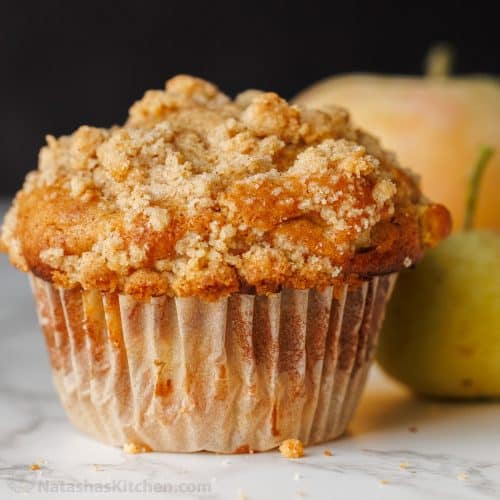
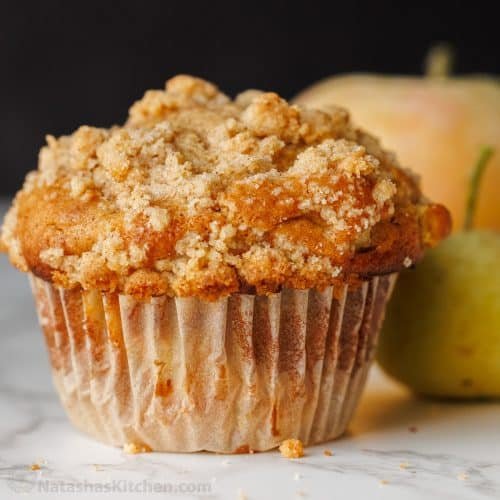
Baking gluten-free apple muffins presents a distinctive set of challenges. Unlike traditional wheat-based recipes, gluten-free flours lack the gluten network that provides elasticity and structure to baked goods. When fresh apples are added—that natural moisture, though delicious, can further complicate the batter’s consistency—the risk of muffins falling apart or becoming overly dense increases. The balance between moisture, binding, and structure is delicate; overloading the batter with fresh apples can cause excess moisture, leading to dense or crumbly muffins, while insufficient binding agent can cause them to crumble during handling or eating. Understanding these nuances is vital for bakers seeking to master the art of gluten-free apple muffins that stay intact without sacrificing texture or flavor.
Achieving perfectly baked muffins hinges on selecting ingredients that harmonize to give the desired rise and stability. The baking process itself—temperature, mixing techniques, and baking time—also plays a pivotal role. This comprehensive guide aims to demystify these variables and offer practical advice on how to navigate the gluten-free baking terrain with confidence, ensuring your muffins are moist, tender, and structurally resilient even with fresh apples incorporated.
Selecting the Right Gluten-Free Flour Blend for Apple Muffins
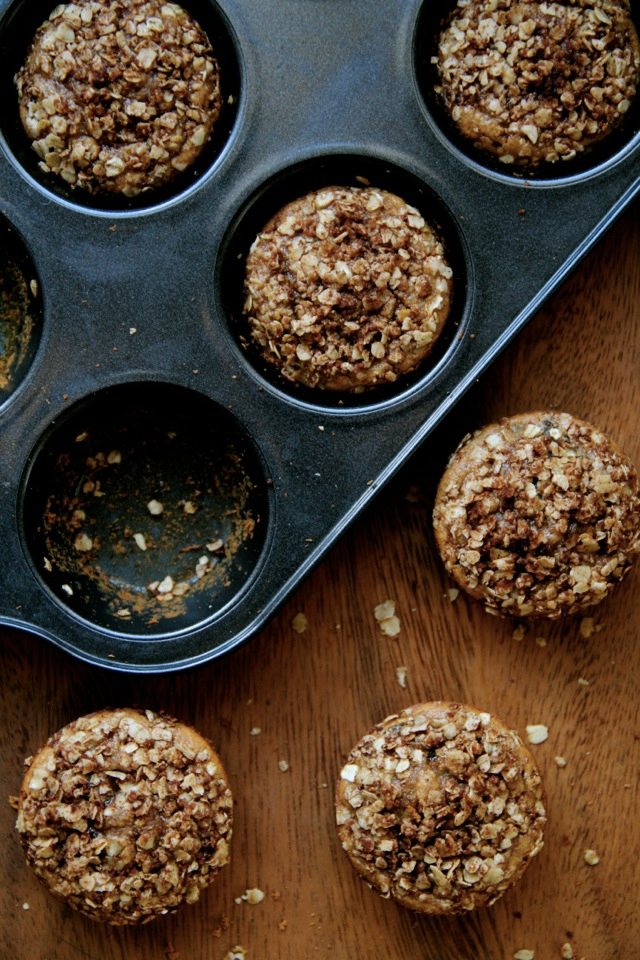
Choosing the right gluten-free flour blend is arguably the most crucial step in ensuring your apple muffins turn out well. Not all gluten-free flours are created equal; some are more suitable for baking muffins that are tender and stable, while others tend to produce dense, crumbly textures. A well-balanced gluten-free flour blend typically includes a mix of rice flour, tapioca starch, potato starch, or other naturally binding flours that mimic gluten’s structural properties. These blends provide elasticity and rise, crucial for holding the fresh apple chunks without collapsing or falling apart during baking or cooling.
Beyond the base flour, incorporating ingredients like xanthan gum or guar gum can significantly improve the batter’s cohesion. These binding agents simulate gluten’s role, providing the “glue” that holds the muffins together when fresh apples are incorporated. For best results, consider blends specifically formulated for baking or create your own blend, ensuring it includes a mix of starchy and protein-rich flours for enhanced structure. Experimenting with different blends and adjusting their ratios based on moisture content and apple addition can help you tailor the texture precisely. Remember, the right flour blend aside, pre-sifting your dry ingredients can ensure even distribution of binding agents and prevent clumping, leading to a more uniform batter and better muffin integrity.
Optimizing Moisture: Using Fresh Apples Effectively to Prevent Dry Muffins
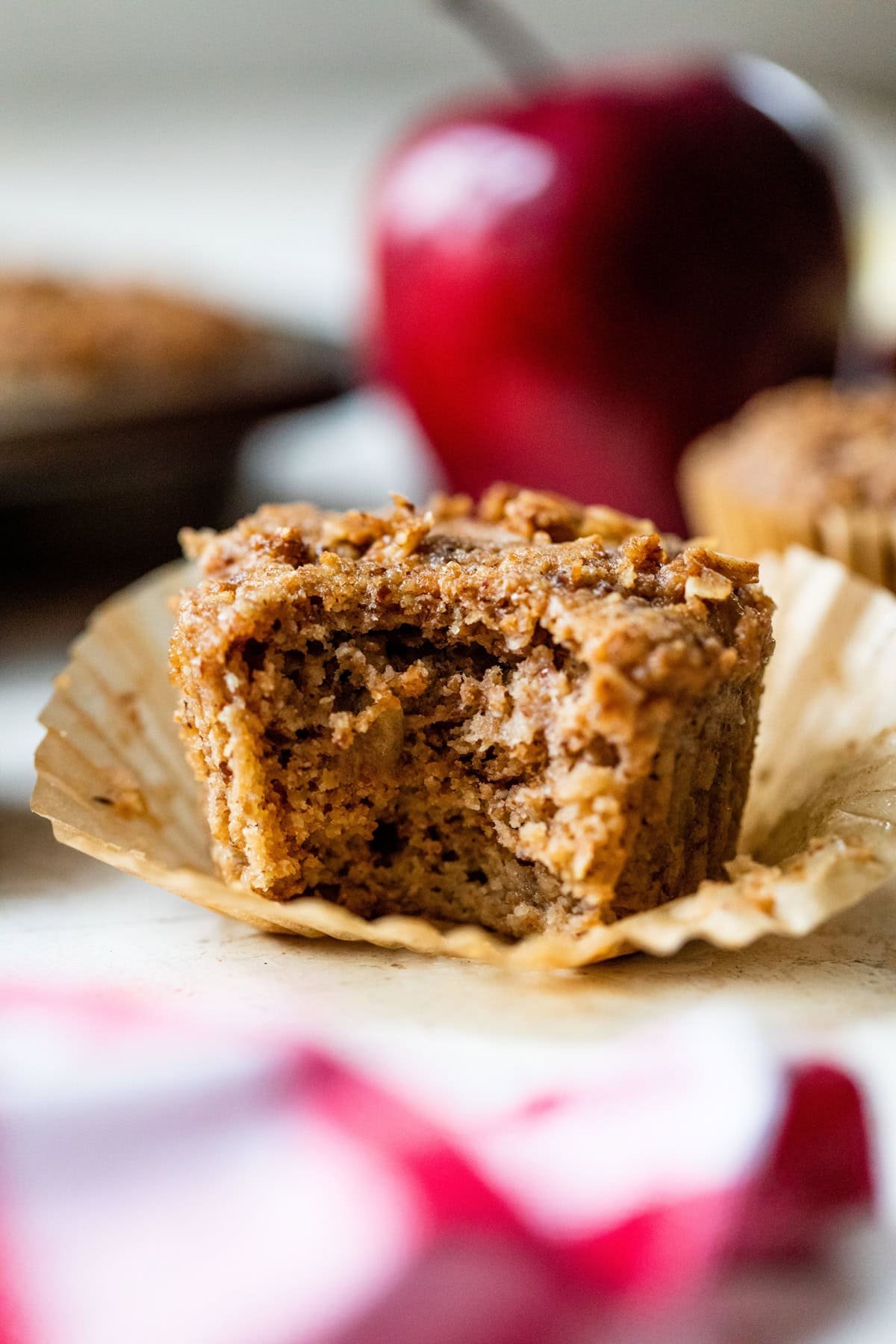
Fresh apples are both an asset and a challenge in gluten-free baking—they add natural sweetness, moisture, and flavor, but if not handled properly, can make your muffins soggy or cause structural issues. The key to utilizing fresh apples effectively lies in controlling their moisture content before adding them to the batter. Begin by peeling, coring, and chopping your apples into evenly-sized pieces to ensure uniform moisture distribution. To prevent excess liquid from overwhelming your batter, consider briefly sautéing the apple chunks or draining them in a paper towel before folding into the mixture; this step reduces the water content without sacrificing flavor or texture.
Moreover, balancing the moisture introduced by the apples with the right amount of dry ingredients is essential. Increasing the amount of gluten-free flour or adding absorbent ingredients like almond flour, oats, or finely shredded coconut can help soak up excess moisture. It’s also helpful to incorporate acidic ingredients such as lemon juice or apple cider vinegar, which can influence the batter’s consistency and improve crumb structure. Keep in mind that the goal isn’t to dry out the apples completely but to achieve a moist, tender muffin that maintains structural integrity. Carefully testing different moisture levels through small batches can help you find the perfect balance that yields moist apple muffins that don’t fall apart.
Binding Agents: Key Ingredients to Prevent Gluten-Free Muffins from Crumbling
One of the most common pitfalls in gluten-free baking is the lack of gluten’s natural binding properties, which leads to muffins that crumble or fall apart easily. To counter this, incorporating key binding agents into your recipe is critical. Xanthan gum, guar gum, or gelatin are popular choices, each with their unique strengths in providing elasticity and cohesion. Typically, using about ½ teaspoon to 1 teaspoon of xanthan gum per cup of gluten-free flour is sufficient, but adjusting depending on the moisture content and apple addition can be necessary.
In addition to commercial binders, natural options like ground flaxseed or chia seeds can serve as effective egg replacers and binders. When mixed with water, these create a gel-like consistency that helps hold the muffin together. For apple muffins, adding a tablespoon of ground flaxseed or chia seed to the dry ingredients, along with a little water, can enhance the batter’s structure without altering the flavor significantly. The key lies in blending these binding agents well into the batter, ensuring their full activation before baking. These ingredients not only give your muffins stability but also contribute to a moist crumb, making the muffins desirable and less prone to crumbling during cooling or slicing.
Baking Techniques: Achieving Perfect Rise and Texture in Gluten-Free Apple Muffins
Mastering baking techniques is fundamental to turning your ingredients into beautiful, structurally sound apple muffins. Since gluten-free flours tend to lack the elasticity required for a perfect rise, techniques like properly aerating the batter and baking at the right temperature are essential. To introduce air and lightness, gently fold the wet and dry ingredients together, avoiding overmixing—overmixing can lead to dense muffins or gluten development in hybrid flours. Using a whisk or a spatula with a light touch helps incorporate air while maintaining the batter’s delicate structure.
Baking temperature and timing also influence muffin integrity. Baking at a moderate temperature—around 350°F (175°C)—allows the muffins to rise gradually and develop a tender crumb while preventing the apples from sinking and causing density. Using muffin liners or greased tins ensures even heat distribution and easy removal, helping keep the muffins intact during handling. Consider testing with different baking times, as gluten-free muffins can sometimes require a slightly longer or shorter bake to ensure the interior is cooked through without drying out. Checking for doneness by inserting a toothpick into the center—one that comes out clean—is a reliable way to determine when your muffins are perfect, not overbaked or underdone.
Tips and Tricks: Troubleshooting Common Gluten-Free Apple Muffin Issues
Despite careful planning, issues can still arise when baking gluten-free apple muffins. If your muffins are sinking in the middle or collapsing upon cooling, it may be due to insufficient leavening or overloading the batter with wet ingredients. To boost rise, verify that your leavening agents—baking powder or baking soda—are fresh and properly measured, as expired or underused leaveners can cause muffins to deflate. If apples are causing excess moisture, try slightly reducing their quantity or pre-treat them to lessen water content.
Crumbly, dry muffins can be remedied by adjusting moisture parameters or adding an extra egg or binding agent to improve cohesion. Conversely, muffins that are too dense or gummy may stem from overmixing or using too much flour; in such cases, lighter folding techniques and accurate measurements are key. For visually appealing muffins that hold their shape, it’s beneficial to let them cool in the tin for a few minutes before transferring to a wire rack. Always consider your oven’s quirks; a thermometer can help calibrate baking temperature accurately. With patience and small adjustments, you’ll fine-tune your recipe to achieve moist, well-structured gluten-free apple muffins with fresh apples that don’t fall apart.
Conclusion
Baking gluten-free apple muffins with fresh apples without them falling apart involves a careful blend of selecting the right flours, managing moisture, incorporating effective binding agents, and utilizing precise baking techniques. Understanding how each element interacts—such as the moisture content of fresh apples and the structural role of gluten-free flours—is essential to producing muffins that are tender, flavorful, and hold their shape. By meticulously balancing these factors and troubleshooting common issues with practical tips, you can master the art of gluten-free apple muffin baking, delighting friends and family with treats that showcase fresh fruit and impeccable texture. With patience and practice, you’ll be able to confidently answer How do you bake gluten-free apple muffins with fresh apples without them falling apart? and enjoy the gratifying process of creating beautifully rustic, moist, and stable muffins every time.