
Slow Cooker Recipes: Easy Meals, Less Effort!
Family-friendly dishes for busy people — quick prep, delicious results.
Grab yours for $4How to Make a Family-Friendly Gluten-Free Chicken Casserole? Any parent or caregiver who has navigated the world of food sensitivities knows that creating meals everyone will enjoy can be a challenge, especially when it comes to casseroles—a classic comfort food. This culinary quest becomes even more rewarding when you craft a recipe that is not only delicious but also allergy-friendly and suitable for all ages. In this comprehensive guide, you will learn how to make a family-friendly gluten-free chicken casserole that balances flavor, nutrition, and safety, making mealtime a stress-free, joyful experience for everyone at your table.
Creating a gluten-free chicken casserole that appeals to the whole family requires thoughtful ingredient selection and a strategic approach. Beyond just swapping out traditional ingredients, it’s about understanding how different textures, flavor combinations, and cooking techniques come together to produce a dish that’s hearty enough to satisfy but gentle on those with sensitivities. Whether you’re new to gluten-free cooking or an experienced home chef, this article will walk you through all the crucial steps to master this comforting dish that your family will ask for again and again. So, let’s dive into how to craft a casserole that’s not only safe but irresistibly tasty.
Introduction: The Need for Family-Friendly Gluten-Free Options

In recent years, the rise of gluten sensitivities, celiac disease, and food allergies has prompted a significant shift in how families approach meal planning. Many parents seek to create dishes that are inclusive, allowing everyone to enjoy home-cooked goodness without worry. A family-friendly gluten-free chicken casserole becomes a practical solution—delicious, nutritious, and adaptable enough to meet diverse dietary needs. It’s more than just a meal; it’s a way to foster family togetherness without the stress of allergen management, emphasizing that gluten-free does not mean compromising on flavor or comfort.
Furthermore, a well-crafted gluten-free casserole can serve as a backbone for introducing healthier alternatives and ingredients. It’s an opportunity to incorporate vegetables, wholesome grains, and lean protein into a satisfying dish that everyone can partake in equally. The challenge is ensuring the dish remains appealing to kids and adults alike, which often means balancing creamy textures with savory flavors, and experimenting with herbs and spices that brighten the dish without overwhelming sensitive palates. When you learn how to make a family-friendly gluten-free chicken casserole, you’re not just making a meal—you’re creating a safe, inclusive culinary experience that brings the family together.
Understanding Gluten-Free Cooking for Chicken Casserole
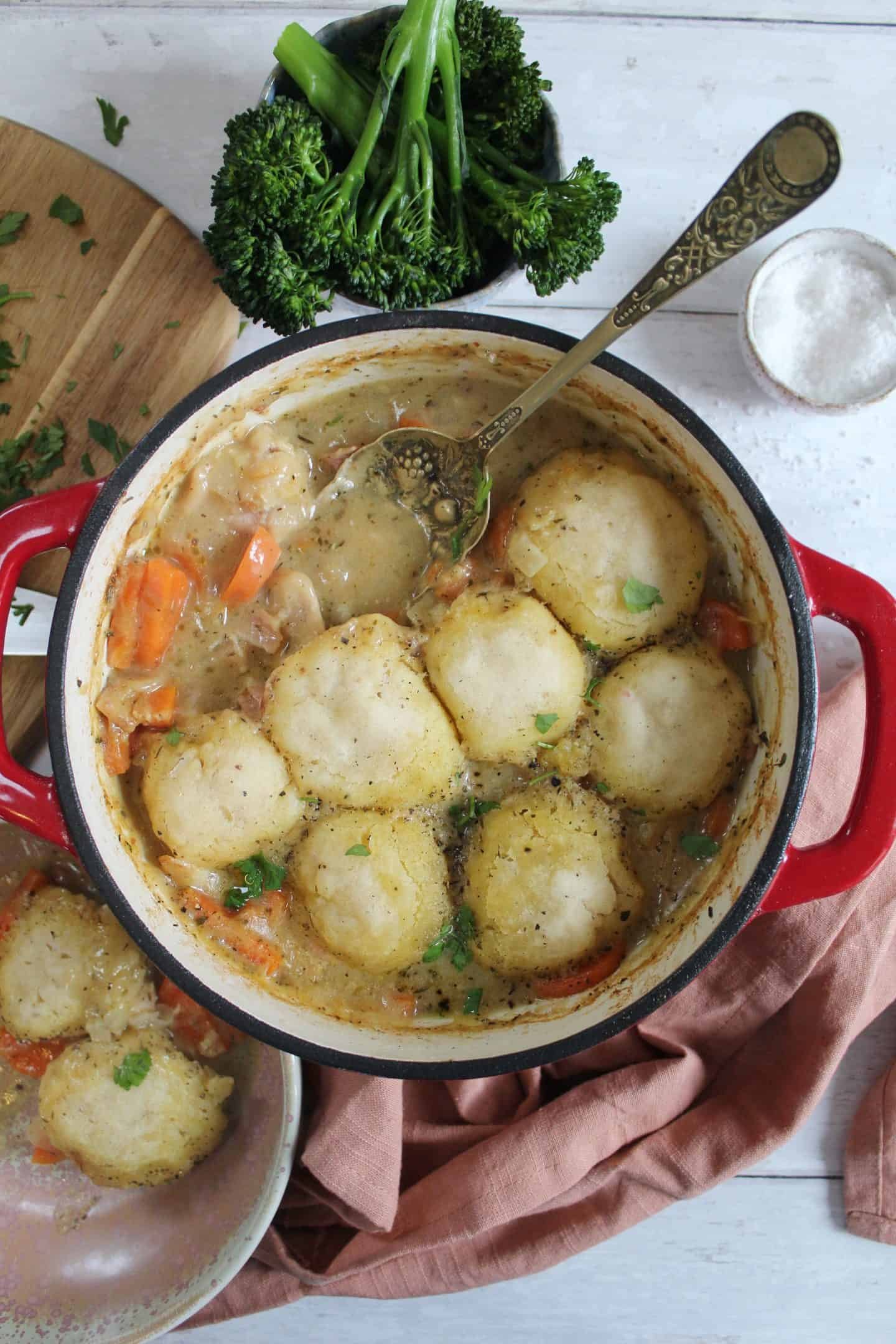
Understanding the essentials of gluten-free cooking is fundamental in creating a successful chicken casserole that is both safe and flavorful. Gluten, a protein found in wheat, barley, and rye, often acts as a binder and thickener in traditional casseroles—substituting it effectively requires some culinary insight. You’ll need to explore alternatives like gluten-free flours, cornstarch, or arrowroot powder to achieve the same rich, velvety sauces and thickened fillings without sacrificing taste or texture. Familiarizing yourself with these ingredients and their cooking properties is key to ensuring your casserole doesn’t turn out runny or grainy.
Additionally, the process of avoiding cross-contamination is an essential part of gluten-free cooking. This involves meticulous handling of ingredients, using dedicated utensils, and verifying that packaged products are certified gluten-free. Many store-bought soups, broths, and seasoning blends may contain gluten as an additive or filler, so reading labels carefully becomes second nature. When you know how to make a family-friendly gluten-free chicken casserole, you’re not only focusing on the recipe but also on the preparation environment, ensuring each component is safe and labels are adhered to strictly. This attention to detail underscores the importance of developing reliably safe dishes that your loved ones can enjoy without concern.
Gathering the Ingredients: Gluten-Free and Family-Approved

The foundation of a great gluten-free chicken casserole lies in choosing ingredients that are both safe for sensitive individuals and appealing to everyone’s taste buds. Use high-quality, fresh chicken—whether chicken breasts, thighs, or a mix—cooked tender and shredded or diced for easy layering. For the “comfort” element, select gluten-free options for the bread crumbs or crunchy toppings that can provide texture and visual appeal. Additionally, incorporate a generous array of vegetables like spinach, mushrooms, carrots, or peas to enhance nutrition and add vibrant color to the dish.
In terms of pantry staples, stock your kitchen with gluten-free thickening agents like cornstarch, gluten-free flour blends, or almond flour, which work well in creating rich, creamy sauces. Dairy products such as cheese, cream, or Greek yogurt can further enhance flavor and creaminess, making the casserole hearty enough for a family meal. It’s also wise to include herbs, garlic, and spices that appeal to diverse palates—paprika, thyme, parsley, and black pepper are great options. When gathering ingredients, aim for minimally processed, natural foods, and always verify that items are labeled gluten-free, ensuring your dish adheres to dietary requirements while being irresistibly flavorful.
Step-by-Step Guide: Preparing a Delicious Gluten-Free Chicken Casserole
Preparation begins with preheating your oven and organizing your ingredients for efficient cooking. Start by cooking your chicken thoroughly—boiling, baking, or sautéing—until it’s tender, then shred or dice it into bite-sized pieces. While the chicken cools slightly, prepare your gluten-free sauce by mixing your thickening agent with chicken broth, milk, or cream, and simmering until thickened with the addition of herbs and spices. This creates the flavorful base that binds all components together, giving your casserole a creamy, rich texture without gluten.
Layering the casserole involves spreading a portion of cooked chicken at the bottom of your baking dish, followed by vegetables, then pouring your prepared sauce evenly over the top. For added texture, sprinkle gluten-free breadcrumbs, crushed crackers, or shredded cheese on the surface. Make sure each layer is distributed evenly to ensure consistency in every bite. Covering the casserole with foil and baking until bubbling through, then uncovering for a few minutes to brown, results in a pleasing appearance and savory aroma. Patience and attention to detail throughout each step guarantee that your dish turns out delectable, satisfying, and suitable for family enjoyment.
Tips and Tricks: Ensuring a Flavorful and Safe Casserole
To guarantee a flavorful and safe casserole, seasoning should be balanced and intentional. Tasting your sauce before assembly allows you to adjust the seasoning—adding salt, pepper, herbs, or even a dash of hot sauce for a bit of zing. Incorporate aromatic ingredients like garlic, onion, and fresh herbs early in the cooking process to build depth of flavor. For a kid-friendly version, keep seasonings milder, and add more spices or hot sauce on the side for adults. This versatility ensures the casserole appeals across different tastes and dietary preferences.
Safety in gluten-free cooking extends beyond just ingredient choice—avoid cross-contact by thoroughly cleaning utensils and surfaces. When using cheeses and dairy products, opt for pasteurized varieties to prevent any health risks. Ensure your casserole reaches an internal temperature of at least 165°F (74°C) to confirm the chicken is fully cooked and safe to eat. For best results, let the casserole rest for a few minutes after baking to allow flavors to meld and to make serving easier. With these tips and tricks, you’ll create a dish that’s not only delicious but also safe, wholesome, and guaranteed to be enjoyed by your entire family.
Serving Suggestions and Variations for Your Gluten-Free Chicken Casserole
Serving your gluten-free chicken casserole hot out of the oven enhances its comforting appeal. Consider accompanying it with a light side salad—perhaps mixed greens with vinaigrette—to add freshness and crunch. Fresh herbs like chopped parsley or basil sprinkled on top can elevate the presentation and flavor profile. For a more substantial meal, pair the casserole with gluten-free bread or warm corn tortillas, making it suitable for a variety of dining preferences and cultural inspirations.
Variations to customize your dish are plentiful—try adding different vegetables, such as roasted peppers or zucchini, for seasonal variety or substituting different types of cheese for distinct flavor profiles. For a dairy-free version, swap in coconut milk or almond-based products in the sauce, along with dairy-free cheese options. You can also turn this casserole into a one-pot meal by integrating grains like quinoa or rice, which are naturally gluten-free, to enhance heartiness. These creative adaptations ensure your gluten-free chicken casserole remains exciting and personalized, catering to your family’s specific tastes and dietary needs while maintaining the essence of a comforting, family-friendly favorite.
Conclusion
Mastering how to make a family-friendly gluten-free chicken casserole involves more than just ingredient swaps; it requires an understanding of gluten-free cooking principles, careful ingredient selection, thoughtful preparation, and creative variations that please all ages. A successful casserole balances rich, savory flavors with wholesome, safe ingredients—highlighting the importance of cross-contamination prevention and seasoning adjustments for diverse palates. By following a structured step-by-step process and embracing flexibility with variations, you’ll be able to serve up a hearty, comforting dish that fosters family togetherness and accommodates gluten sensitivities seamlessly. Ultimately, this cuisine deepens the joy of shared meals, proving that caring for dietary needs can still result in delicious, memorable food experiences.