
Slow Cooker Recipes: Easy Meals, Less Effort!
Family-friendly dishes for busy people — quick prep, delicious results.
Grab yours for $4There’s nothing quite like starting your day with a burst of energy from a delicious breakfast.
Protein Breakfast Muffins offer a perfect blend of taste and nutrition, making them an ideal choice for those busy mornings.
These muffins are packed with high-protein ingredients that will keep you full and satisfied until lunchtime.
I discovered this recipe while trying to balance a hectic work schedule with healthy eating habits, and it quickly became a staple in my kitchen.
With their savory flavor profile and fluffy texture, these muffins are sure to become a family favorite.
Best of all, they can be made ahead and stored, making your morning routine smoother than ever.
The History and Cultural Significance
• Protein Breakfast Muffins trace their origins to American households in the late 20th century, where they were originally created as a convenient, high-protein option for busy families.
• The dish evolved over decades as health-conscious consumers began adding diverse ingredients like Greek yogurt and almond flour, eventually becoming the beloved version we know today.
• In many Western cultures, these muffins traditionally appear at breakfast tables, symbolizing a balanced start to the day.
• While many variations exist across different regions, the authentic version maintains a balance of savory and slightly sweet flavors that sets it apart from imitations.


Recipe Overview
Nutritional Information (per serving)
Essential Equipment Guide
Muffin Tin: A good quality non-stick muffin tin is crucial for evenly baking the muffins and ensuring they don’t stick. Alternatives like silicone molds can work, but they may not provide the same browning effect.
Mixing Bowls: Using a set of mixing bowls allows for proper organization and separation of wet and dry ingredients. Look for bowls with non-slip bases for stability during mixing.
Whisk: An essential tool for combining ingredients smoothly without lumps. A balloon whisk is ideal for aerating the batter, but a fork can substitute if needed.


Ingredients
For the Base
|
| Amount | Ingredient | Notes |
|---|---|---|
| 1 cup | oat flour | adds fiber and structure |
| 1/2 cup | almond flour | adds moisture and nuttiness |
| 1 teaspoon | baking powder | helps muffins rise |
Protein
| Amount | Ingredient | Notes |
|---|---|---|
| 1 cup | Greek yogurt | provides protein and tanginess |
| 2 large | eggs | binding agent and adds protein |
Flavorings
| Amount | Ingredient | Notes |
|---|---|---|
| 1/2 teaspoon | salt | enhances flavor |
| 1 teaspoon | vanilla extract | adds depth of flavor |


Preparation Methods
Folding: This technique involves gently mixing the wet and dry ingredients to retain air and ensure a light texture. It's crucial to avoid over-mixing, which can make muffins dense.
Sifting: Sifting the dry ingredients helps to aerate the flour and distribute the baking powder evenly, which is essential for even rising.
Baking: Understanding your oven’s hot spots can ensure muffins bake evenly. Rotating the muffin tin halfway through the baking process can help achieve uniform results.



Step 1: Preheat the Oven

Preheat your oven to 350°F (175°C).
Ensure the oven rack is in the middle position.
Proper preheating is critical for even baking.
Use an oven thermometer if unsure about your oven's accuracy.


Step 2: Prepare the Muffin Tin
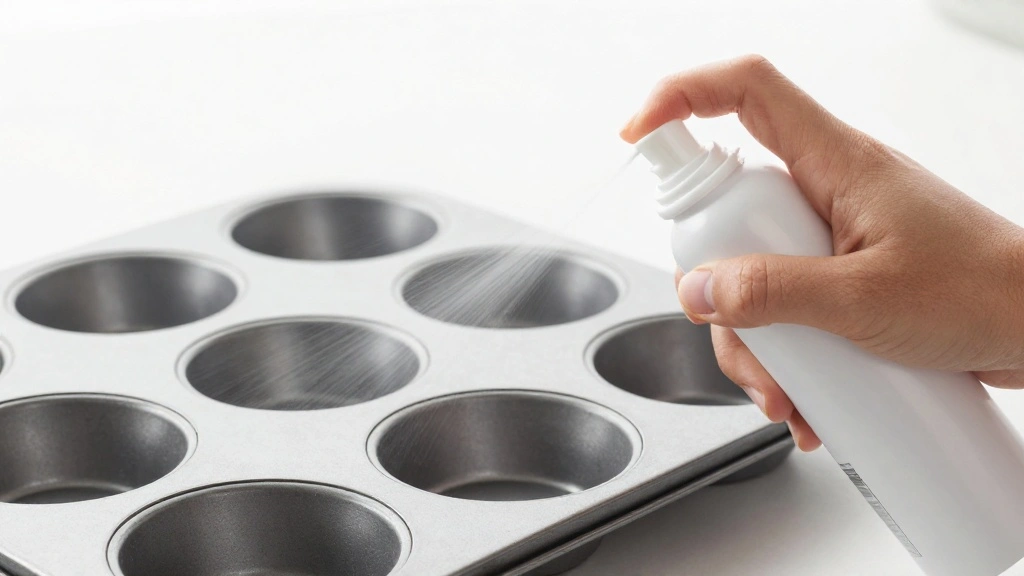
Lightly grease a 12-cup muffin tin with cooking spray or line with muffin liners.
This prevents the muffins from sticking and makes cleanup easier.
Ensure each cup is evenly coated.
Avoid over-greasing to prevent soggy bottoms.
Step 3: Mix Dry Ingredients
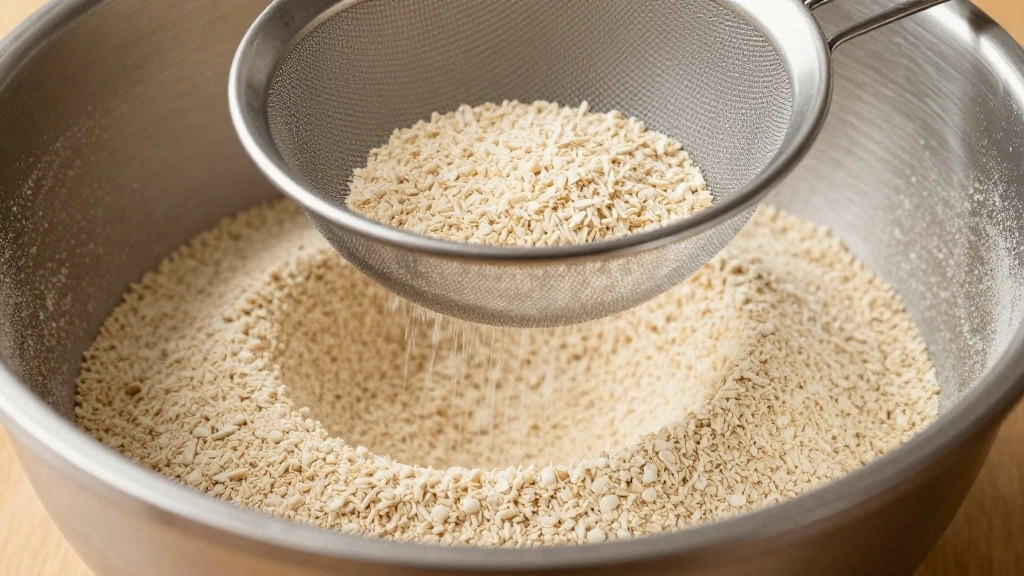
In a large bowl, sift together oat flour, almond flour, and baking powder.
Sifting removes lumps and ensures even distribution of baking powder.
Use a whisk to mix thoroughly.
Check for any remaining clumps and break them up with your fingers.


Step 4: Combine Wet Ingredients

In another bowl, whisk together Greek yogurt and eggs until smooth.
Add vanilla extract and salt, mixing until combined.
Ensure the mixture is free of egg streaks.
This creates a uniform base for the muffins.
Step 5: Fold Wet and Dry Ingredients
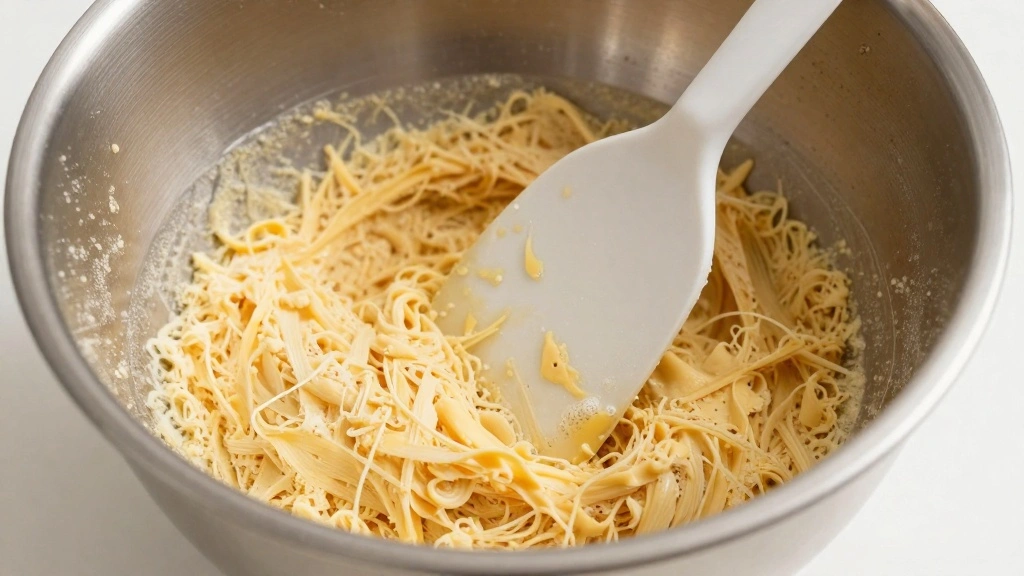
Gently fold the wet ingredients into the dry ingredients.
Use a spatula to combine until just mixed.
Avoid over-mixing to keep the batter airy.
Stop when no dry flour is visible.
Step 6: Portion the Batter
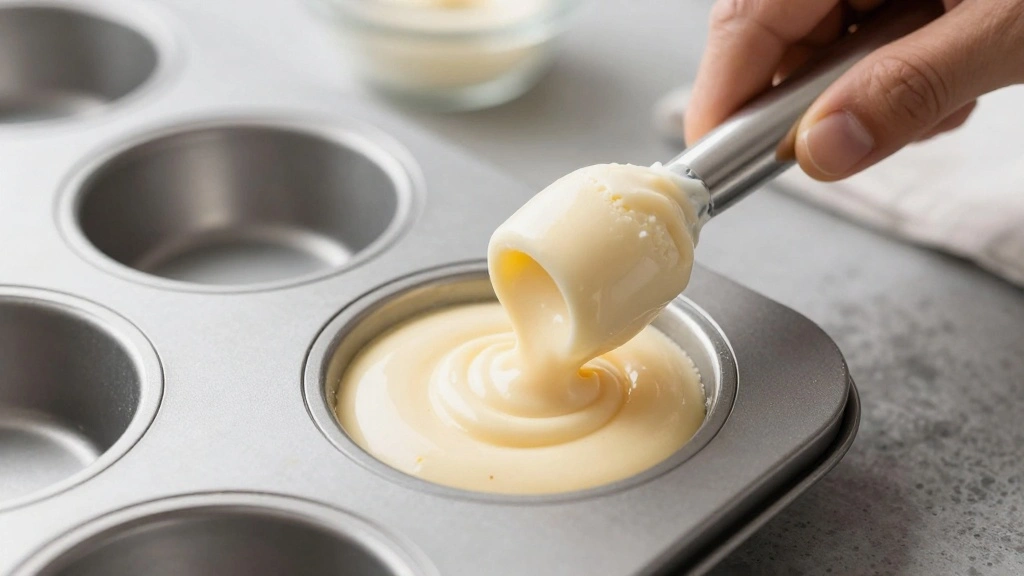
Spoon the batter evenly into the prepared muffin tin.
Fill each cup about 3/4 full.
Ensure even distribution for uniform baking.
Use an ice cream scoop for consistent portion sizes.
Step 7: Bake the Muffins
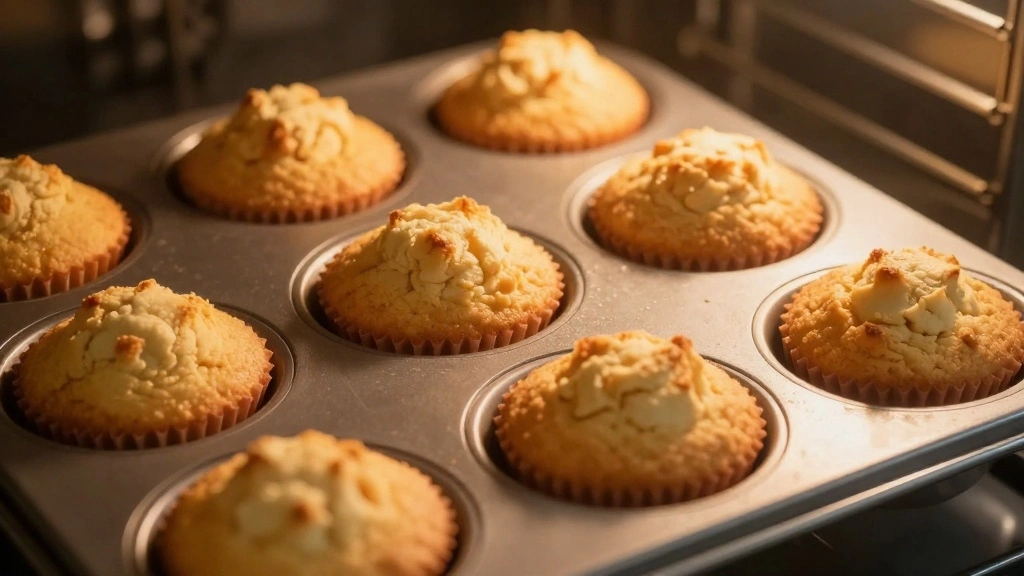
Place the muffin tin in the preheated oven.
Bake for 25 minutes or until golden brown.
Check for doneness by inserting a toothpick; it should come out clean.
Avoid opening the oven door frequently to maintain temperature.


Step 8: Cool and Serve

Remove the muffins from the oven and let them cool in the tin for 5 minutes.
Transfer muffins to a wire rack to cool completely.
Cooling prevents soggy bottoms and allows flavors to set.
Serve warm or at room temperature.



Critical Timing and Temperature Guide
Baking: Preheat oven to 350°F (175°C) and bake for 25 minutes. Look for golden brown tops and clean toothpick test. Avoid overbaking to prevent dryness.
Cooling: Cool in the tin for 5 minutes, then transfer to a wire rack. Look for muffins to be firm to the touch. Avoid leaving them in the tin for too long to prevent sogginess.
Storage: Store muffins in an airtight container at room temperature for up to 3 days. Ensure they are completely cooled before storing. Avoid refrigerating as it can dry out the muffins.


Pro Tips for Protein Breakfast Muffins
• Ingredient Selection: Choose high-quality Greek yogurt for the best texture and flavor, as it impacts the moisture and protein content.
• Preparation Secret: Let the batter rest for 10 minutes before baking to allow the flours to hydrate fully, resulting in a more tender crumb.
• Temperature Management: Use room temperature eggs and yogurt to ensure smooth incorporation and prevent lumps in the batter.
• Texture Enhancement: For a softer texture, consider adding a tablespoon of melted coconut oil to the batter.
• Flavor Layering: Add a pinch of cinnamon or nutmeg for additional depth of flavor that complements the vanilla.
• Make-Ahead Strategies: Freeze individual muffins and reheat in the oven or microwave for a quick breakfast option. Wrap each muffin in plastic wrap before freezing.
• Restaurant-Quality Finishing Touches: Sprinkle a mix of seeds or nuts on top of the batter before baking for added crunch and visual appeal.
• Equipment Optimization: Ensure your muffin tin is thoroughly clean and free from previous residues to prevent sticking and ensure even baking.
Troubleshooting Common Issues
• Texture Too Dense: This is often caused by over-mixing the batter. Mix just until combined and avoid vigorous stirring.
• Muffins Sticking to Pan: Ensure the muffin tin is well-greased or lined with muffin liners. Alternatively, use a silicone muffin pan.
• Muffins Not Rising: Check the freshness of your baking powder. Expired leavening agents can prevent proper rising.
• Uneven Baking: Rotate the muffin tin halfway through baking to ensure even heat distribution and consistent browning.
• Muffins Too Dry: Overbaking can lead to dryness. Check muffins a few minutes before the suggested time and remove when a toothpick comes out clean.
Variations and Regional Differences
• Southwestern Style: This version includes diced jalapeños and shredded cheddar cheese for a spicy, savory twist.
• Italian Herb: Incorporate dried oregano and sun-dried tomatoes for a Mediterranean flair.
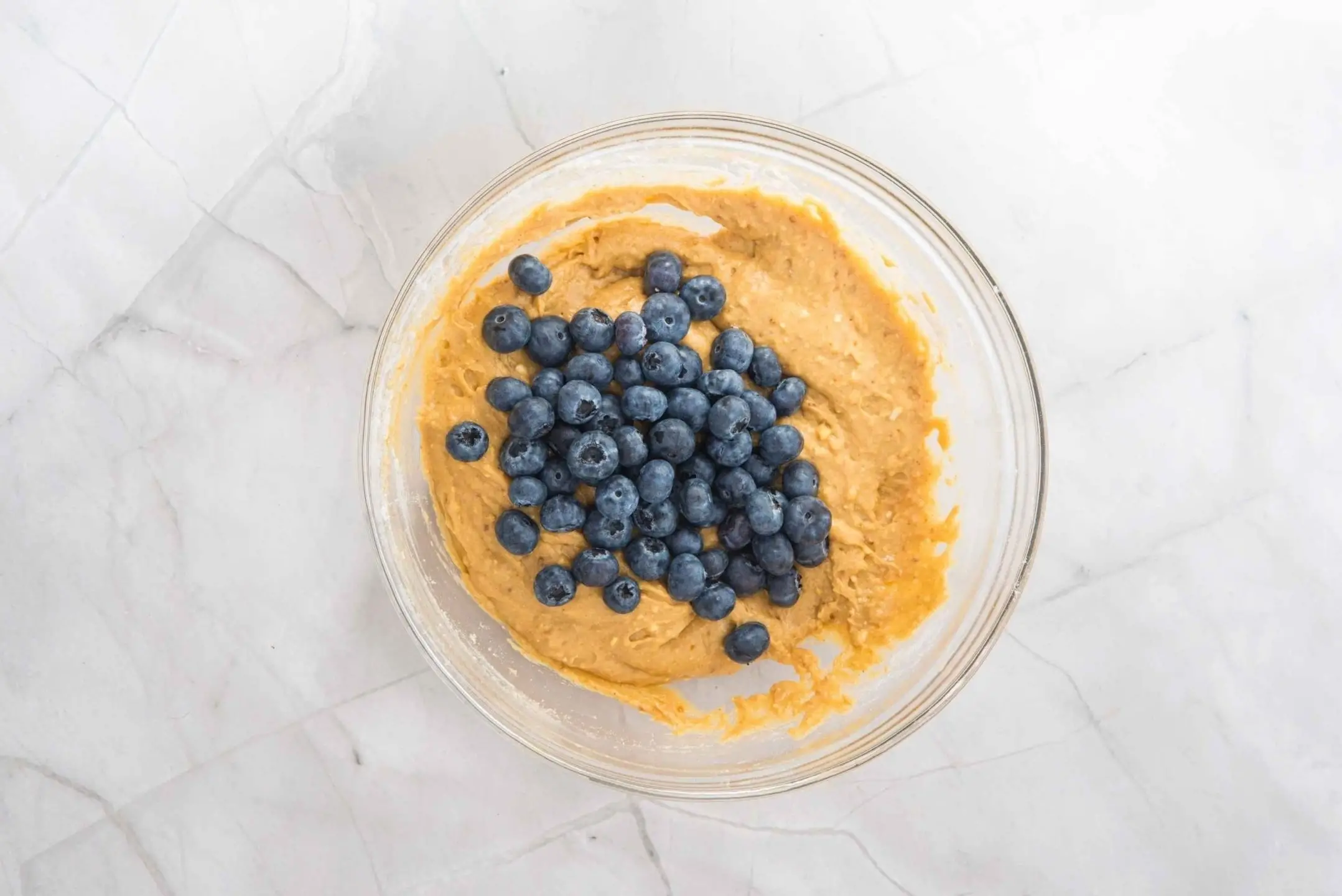
• Sweet and Savory: Add a handful of blueberries and a drizzle of honey to the batter for a hint of sweetness.
• Vegan Alternative: Substitute eggs with flaxseed meal mixed with water, and use dairy-free yogurt to accommodate plant-based diets.
Food Science Behind the Recipe
• Protein Structure: The proteins in Greek yogurt and eggs coagulate during baking, providing structure and stability to the muffins.
• Leavening Reaction: Baking powder releases carbon dioxide when heated, causing the muffins to rise and resulting in a light, airy texture.
• Maillard Reaction: The browning of the muffins’ tops is due to the Maillard reaction, which enhances flavor and creates a pleasing visual appearance.


Frequently Asked Questions
What's the most common mistake people make when preparing Protein Breakfast Muffins? Over-mixing the batter is a common mistake that can lead to dense muffins. Mix just until the ingredients are combined.
Can I use regular flour instead of oat flour? Yes, but it may alter the texture and nutritional content. Whole wheat flour can be a closer substitute.
How can I make these muffins gluten-free? Ensure all ingredients, especially the oat flour, are certified gluten-free.
What can I use as a substitute for Greek yogurt? You can use coconut yogurt or almond yogurt for a dairy-free alternative.
How do I store leftover muffins? Store them in an airtight container at room temperature for up to 3 days or freeze them for longer storage.
Can I add fruits or nuts to the recipe? Absolutely! Chopped nuts or dried fruits can be mixed into the batter or sprinkled on top before baking.
Why are my muffins too dry? This can occur from overbaking or using low-fat ingredients. Be sure to check doneness early and consider adding a bit of oil or additional fat for moisture.
Serving and Presentation Guide
• Traditional Presentation: Serve muffins warm on a plate with a small pat of butter melting on top.
• Brunch Style: Arrange muffins on a tiered serving tray along with fresh fruit and a variety of spreads.
• On-the-Go: Wrap muffins individually in parchment paper for a quick and easy portable breakfast.
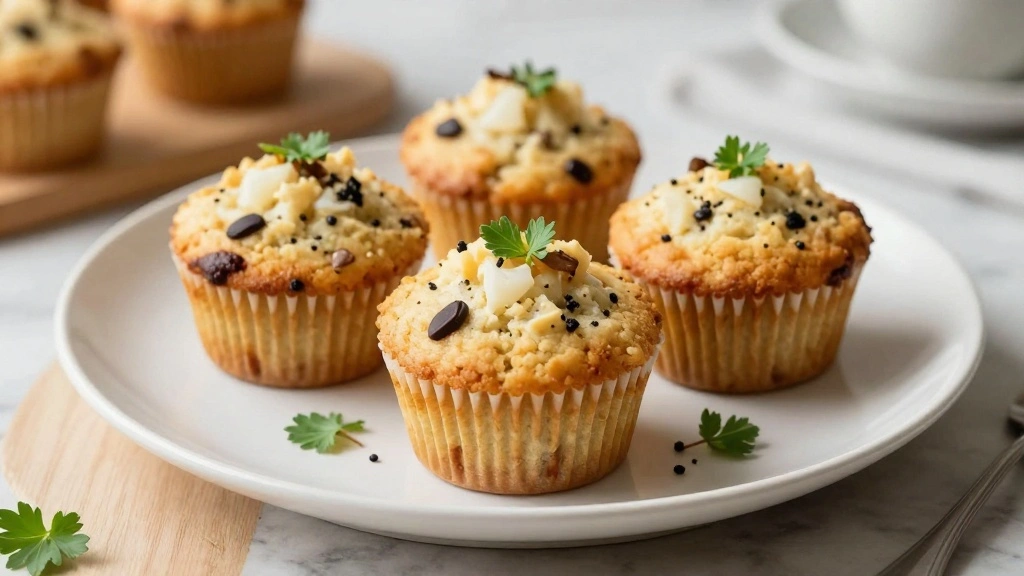
• Elegant Setting: Serve on a small dessert plate with a sprig of mint and a drizzle of honey for added elegance.
Conclusion
Protein Breakfast Muffins are a delightful way to start your day with a nutritious boost.
Their make-ahead convenience and versatile flavor make them a favorite for busy mornings.
Give this recipe a try and enjoy the satisfaction of homemade breakfast goodness.