
Slow Cooker Recipes: Easy Meals, Less Effort!
Family-friendly dishes for busy people — quick prep, delicious results.
Grab yours for $4The secret to making blueberry muffins with frozen berries taste fresh is a culinary art rooted in understanding the nuances of frozen produce, precise baking techniques, and flavor enhancement strategies. Many bakers face the challenge that frozen blueberries tend to bleed their color and juice during baking, resulting in muffins that look less vibrant and sometimes have a soggy texture. However, with the right approach, it’s entirely possible to enjoy muffins bursting with fresh-looking berries and authentic flavor, even when frozen. This article aims to unlock the secrets behind achieving that perfect balance, so your blueberry muffins look and taste as if they were made with fresh berries every time.
Introduction: The Frozen Blueberry Muffin Conundrum
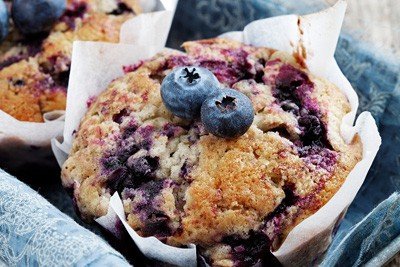
The dilemma many bakers face revolves around the use of frozen blueberries in muffin recipes. On one hand, frozen berries are convenient, available year-round, and often more economical, making them a popular choice. On the other hand, their propensity to release excess juice during baking can spoil the visual appeal and texture of baked goods. The challenge is how to incorporate frozen berries without sacrificing appearance or taste, which is where understanding the quirks of frozen blueberries becomes crucial. Whether you’re baking for a family breakfast or preparing a batch for a bake sale, mastering these techniques transforms frozen blueberries from a hindrance into a baking asset.
The secret to making blueberry muffins with frozen berries taste fresh is about more than just defrosting and tossing them in the batter; it’s about strategic handling and understandings that preserve vibrant color, prevent sogginess, and enhance flavor. Knowing how to treat the berries, adjusting your batter, and timing your bake can turn a simple muffin into a luscious, eye-catching treat. This knowledge doesn’t just improve aesthetics but also elevates the overall sensory experience, bringing the freshness of summer berries into the comfort of your kitchen any time of year.
Understanding the Challenges of Frozen Blueberries
Frozen blueberries inherently possess qualities that distinguish them from their fresh counterparts, and understanding these differences is the first step toward making muffins that taste lively and fresh. When berries are frozen, their cell walls are damaged, causing them to release more juice when baked. This can lead to a blotchy appearance, where the blue-purple juices bleed into the batter and create a soggy, uneven crumb. Additionally, the loss of moisture during freezing can make berries seem less plump and flavorful if not handled correctly. Many bakers underestimate the impact of these factors, resulting in muffins that look dull and taste flat.
Another challenge is the temperature discrepancy—frozen berries are cold, which can cause the batter to seize or not incorporate evenly. If added directly from the freezer, the berries can cool the batter immediately, leading to uneven baking and texture issues. Moreover, frozen berries tend to have a weaker flavor profile compared to fresh berries, necessitating the use of techniques or ingredients that can compensate for or enhance their taste. Recognizing these challenges opens the door to specific strategies for minimizing bleeding and flavor loss, helping craft muffins that are visually appealing and that taste as if they contain fresh berries.
Key Techniques for Minimizing Blueberry Bleed
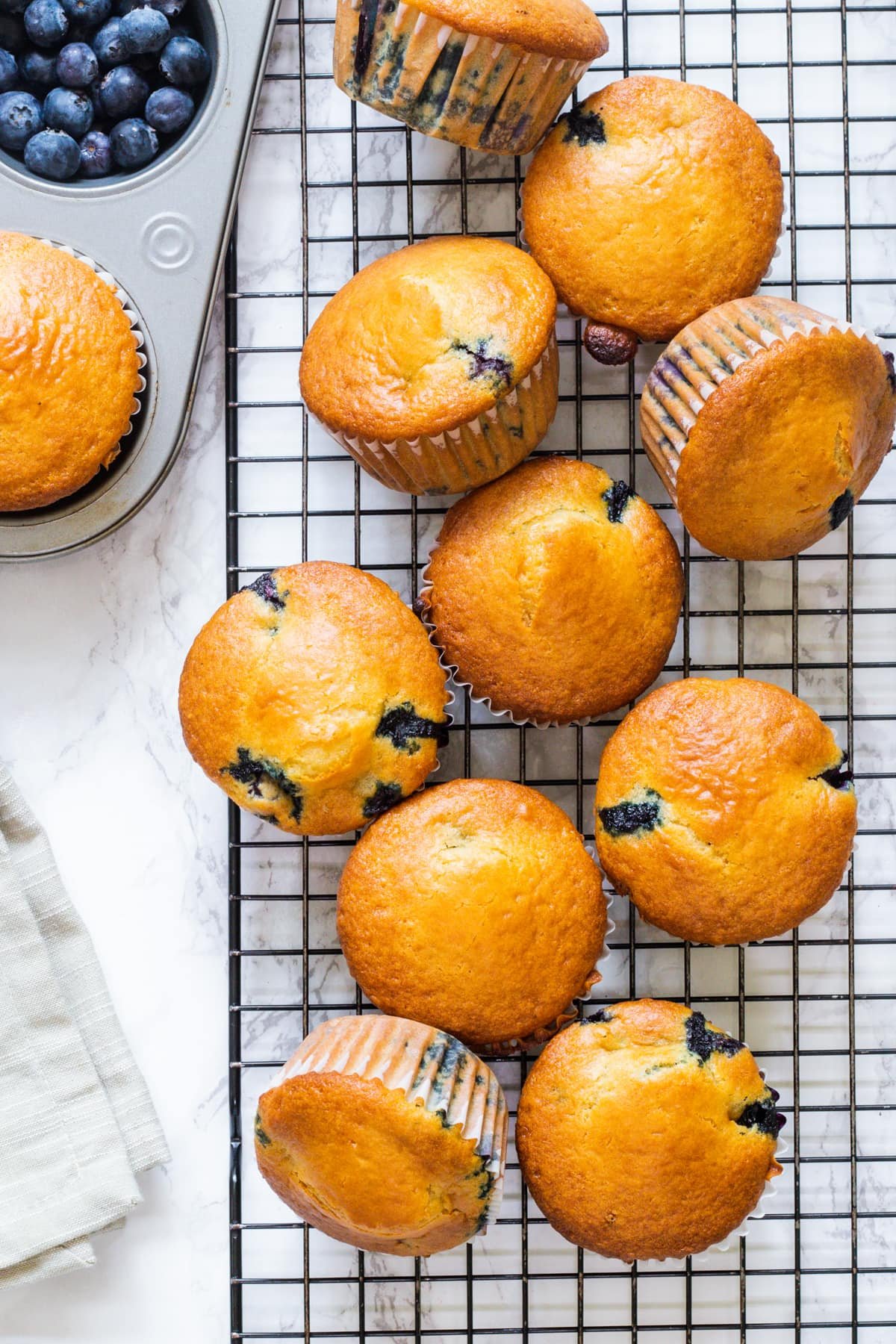
The primary concern when baking with frozen blueberries is preventing the juices from bleeding into the batter, which can spoil the appearance of your muffins. One of the most effective methods involves tossing the berries in a light coating of flour or cornstarch before mixing them into the batter. This acts as a barrier, absorbing some of the juice released during baking and keeping it contained around each berry. It’s a simple, yet powerful technique that preserves the blueberry’s shape and color, resulting in muffins with distinct berry areas instead of purple streaks.
Another strategic approach involves par-freezing or partially freezing the berries before use. Keeping berries in the freezer until just before folding them into the batter ensures they stay cold and firm during mixing. This reduces the chances of bleeding by minimizing the time the berries spend at room temperature. Additionally, gently folding berries into the batter rather than stirring vigorously can prevent rupture and juice release. Paying attention to these details can make the difference between muffins with a beautiful presentation and those that look muddled and soaked.
The Flour Power: Ensuring Proper Batter Consistency
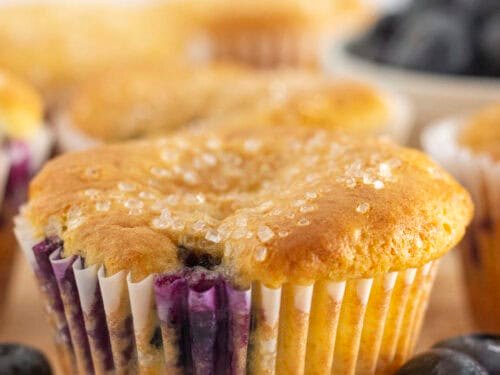
Getting the batter right is crucial when working with frozen berries because it directly influences how well the berries hold their shape and how the juice interacts with the overall muffin structure. A slightly thicker batter can envelop the berries more completely, providing a buffer that prevents excessive bleeding and sogginess. Using the right type of flour—such as all-purpose or a blend that adds stability—can help create this ideal consistency. Incorporating ingredients like extra flour or a touch of almond meal can also serve as absorbents, further preventing juice from seeping out.
Moreover, assessing the batter’s moisture content is vital. If the batter is too thin, the berries are more likely to bleed and sink, while a thicker batter helps keep everything in place. Be mindful of your liquid ingredients—cutting back slightly when using frozen berries can be beneficial. The balance between wet and dry elements ensures a tender muffin with intact berries that look fresh and taste delicious. When the batter is properly constructed, your muffins gain structural integrity, and the frozen berries’ flavor is better preserved, contributing to that fresh-tasting result you’re aiming for.
Strategic Baking Strategies: Temperature and Time Management
Baking temperature and timing are critical to ensuring that blueberries retain their vibrant color and flavor when incorporated into muffins. Baking at too high a temperature can cause rapid bubble formation, forcing out the berry juices and leading to color bleed, whereas too low might result in underbaking and soggy muffins. Generally, setting the oven between 375°F and 400°F (190°C and 200°C) allows for rapid browning and setting of the muffin structure without excessive bleeding. Monitoring bake times closely—usually around 20-25 minutes—also helps prevent overcooking that could draw out undue moisture from the berries.
An often-overlooked tactic is to preheat the oven properly and use a middle rack to promote even heat distribution. Using a convection setting if available can also enhance even baking, helping the muffins set quickly and contain the berries’ juices better. Additionally, consider the placement of the muffin tins—placing them on a preheated baking stone or using dark metal pans can influence the heat transfer, affecting how uniformly the batter and berries bake. Strategic management of temperature and time creates an environment where frozen berries can behave as if they are fresh, holding their shape and color while delivering that characteristic burst of flavor.
Elevating Flavor: Complementary Ingredients and Techniques
To truly make blueberries taste fresh, supplement your muffin recipe with complementary ingredients that boost flavor and mimic the taste of ripe, freshly picked berries. A dash of lemon zest or a splash of vanilla extract can brighten the natural sweetness and add complexity to the baked goods. These ingredients work harmoniously to elevate the overall flavor profile, making frozen berries seem more vibrant and fresh, despite their prior freezing. The addition of a hint of almond extract or a sprinkle of cinnamon can further enhance the perceived freshness, making each bite more intoxicatingly aromatic.
Beyond flavor enhancers, smart baking techniques—such as brushing the muffin tops with a simple syrup infused with lemon or berry essence post-baking—can impart a glossy finish and introduce a subtle layer of flavor vibrancy. Incorporating crunchy elements like streusel topping or chopped nuts not only adds texture but also complements the juicy berries, creating a balanced and richly satisfying muffin. When these ingredients and techniques are thoughtfully employed, they mask any less-than-ideal aspects of frozen berries, making your muffins taste as if they were made with the freshest, ripest berries imaginable.
Conclusion
Mastering the art of making blueberry muffins with frozen berries taste fresh involves a combination of understanding the unique challenges posed by frozen produce, applying strategic techniques to minimize bleeding and moisture issues, and enhancing flavor through complementary ingredients and baking practices. From pre-treating berries with flour or partial freezing to adjusting batter consistency and oven settings, each step plays a pivotal role in achieving muffins that are visually appealing and bursting with vibrant, fresh-tasting berries. When all these elements come together, it transforms what might seem like a compromise—using frozen berries—into a culinary triumph that rivals muffins made with fresh fruit, giving you the secret to delight in every bite.