
Slow Cooker Recipes: Easy Meals, Less Effort!
Family-friendly dishes for busy people — quick prep, delicious results.
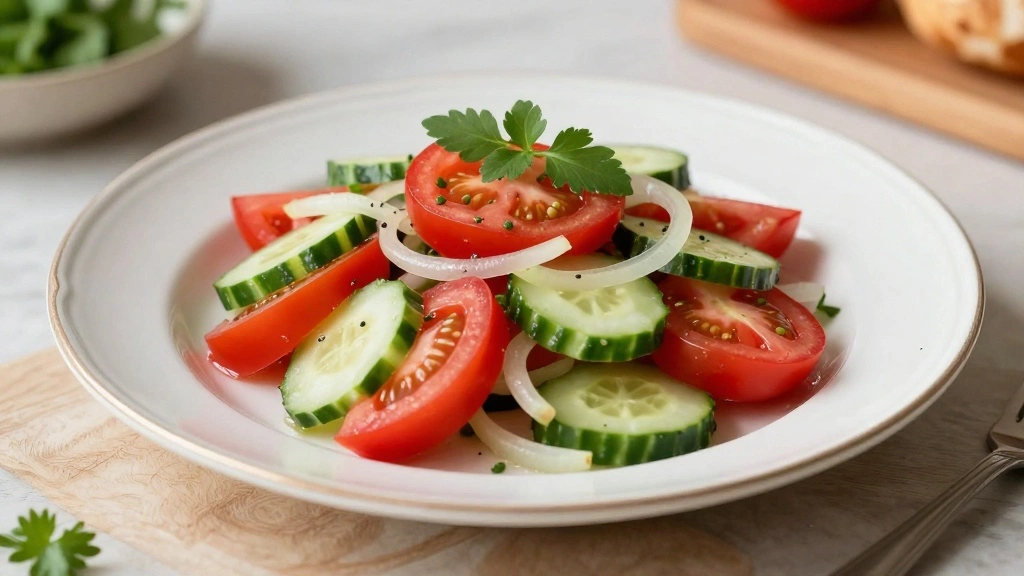
Grab yours for $4The Tomato Cucumber and Onion Salad is a refreshing and simple dish that perfectly complements any meal.
With its crisp, crunchy vegetables and tangy dressing, it’s a delightful burst of flavor and texture.
This salad is a staple in many cultures, offering a taste of freshness in every bite.
Ideal for warm weather, it’s a dish that celebrates the bounty of seasonal produce.
Whether you’re looking for a light appetizer or a vibrant side dish, this salad is sure to impress with its simplicity and zest.
The History and Cultural Significance
• Tomato Cucumber and traces its origins to the Mediterranean region, where it was originally created as a refreshing dish for the warm climate.
• The dish evolved over decades as fresh herbs and various dressings were added, eventually becoming the beloved version we know today.
• In Middle Eastern cultures, this dish traditionally appears at family gatherings and celebrations, symbolizing freshness and abundance.
• While many variations exist across different regions, the authentic version maintains the balance of crisp vegetables and a light, tangy dressing that sets it apart from imitations.


Recipe Overview
Nutritional Information (per serving)
Essential Equipment Guide
Chef’s Knife: A sharp chef’s knife is essential for achieving precise cuts of vegetables, which enhances the texture and presentation of the salad. Alternatives like a serrated knife may work, but look for a knife with a comfortable handle and a sharp, durable blade.
Cutting Board: A sturdy cutting board provides a stable surface for chopping vegetables. Wooden or bamboo boards are preferred for their durability and knife-friendliness.
Mixing Bowl: A large mixing bowl is important for thoroughly combining the ingredients without spilling. Look for a bowl with a non-slip base for added stability.


Ingredients
Vegetables
|
| Amount | Ingredient | Notes |
|---|---|---|
| 3 medium | tomatoes | diced, room temperature |
| 2 medium | cucumbers | sliced, peeled if desired |
| 1 large | onion | finely chopped |
Seasonings
| Amount | Ingredient | Notes |
|---|---|---|
| 1 teaspoon | salt | enhances flavor |
| 1/2 teaspoon | black pepper | freshly ground for best results |
Dressing
| Amount | Ingredient | Notes |
|---|---|---|
| 3 tablespoons | olive oil | extra virgin, adds richness |
| 2 tablespoons | lemon juice | freshly squeezed for tanginess |


Preparation Methods
Dicing Tomatoes: Dicing tomatoes involves cutting them into small, uniform cubes. This technique ensures even distribution of tomatoes throughout the salad, enhancing both flavor and texture. To master this, use a sharp knife and start by slicing the tomato in half, then into strips before dicing.
Slicing Cucumbers: For even, thin slices of cucumber, use a mandolin or a sharp knife. This technique is important for achieving a consistent texture and ensures that each bite has the right amount of crunch. Practice slicing with steady, even pressure to maintain uniformity.
Mixing Dressing: Combine olive oil and lemon juice in a small bowl and whisk until emulsified. This technique is crucial for creating a dressing that coats the vegetables evenly, enhancing their natural flavors. Use a small whisk or fork and mix vigorously until the mixture appears creamy.



Step 1: Prepare Ingredients
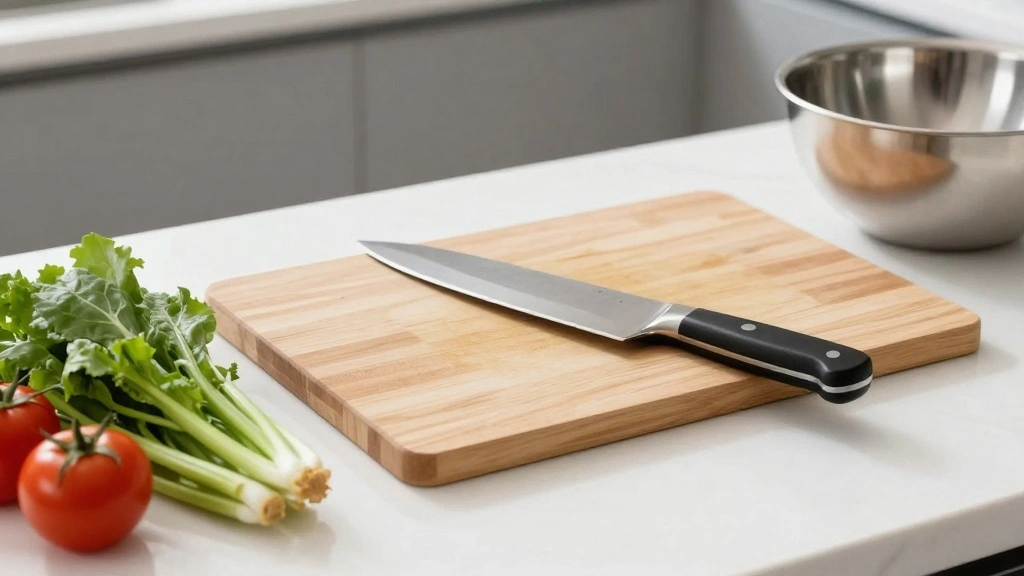
Gather all the ingredients and equipment you'll need for the recipe.
Wash the vegetables thoroughly under cold running water.
Make sure you have a clean and organized workspace before starting.
Proper preparation ensures a smooth and efficient cooking process.



Step 2: Dice the Tomatoes

Start by slicing each tomato in half.
Then, slice each half into strips.
Finally, dice the strips into small, uniform cubes.
Use a sharp knife to ensure clean and precise cuts.
Step 3: Slice the Cucumbers
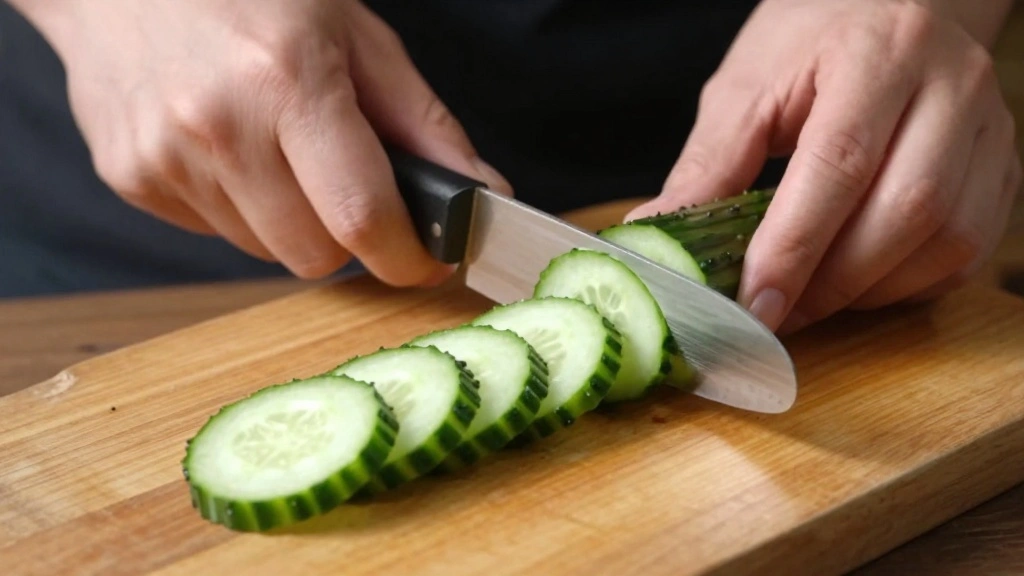
Peel the cucumbers if desired, then cut off the ends.
Use a mandolin or sharp knife to slice the cucumbers into thin, even rounds.
Ensure that each slice is of consistent thickness for uniform texture.
This step contributes to the overall crunch of the salad.


Step 4: Chop the Onion
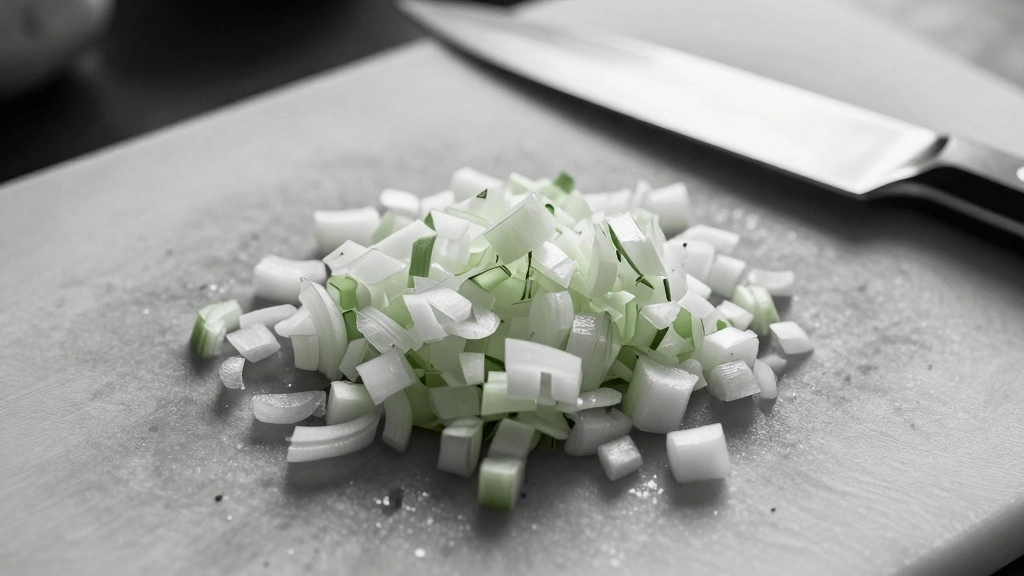
Peel the onion and cut it in half.
Lay each half flat-side down and slice into thin strips.
Turn and chop the strips into small, fine pieces.
Finely chopped onion blends better into the salad.


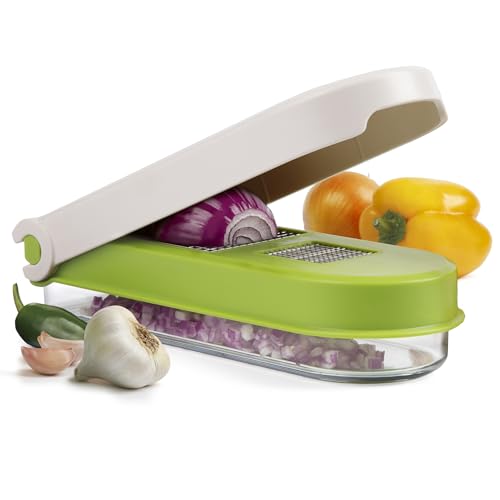
Step 5: Combine Vegetables
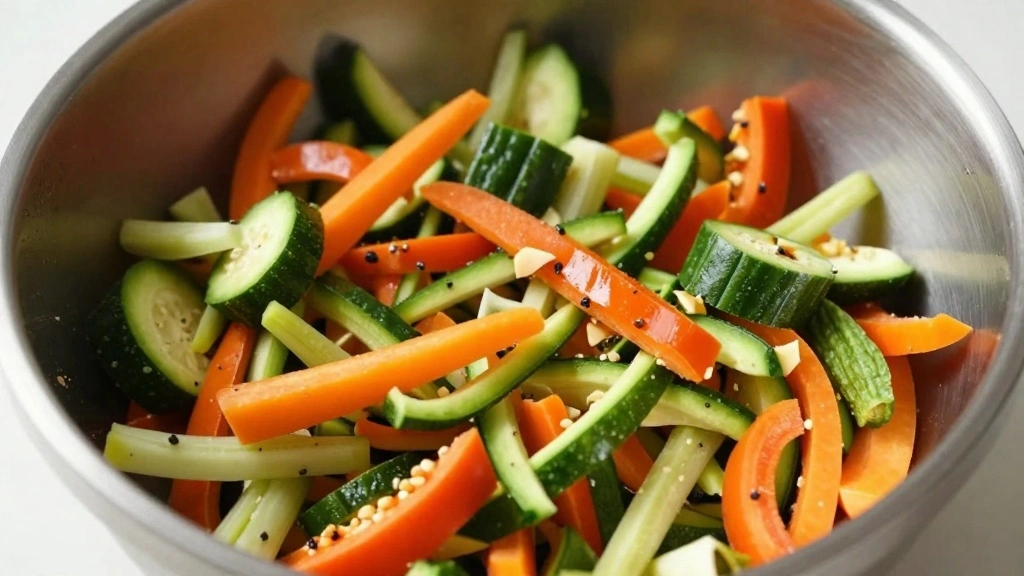
Place the diced tomatoes, sliced cucumbers, and chopped onion in a large mixing bowl.
Gently toss the vegetables to mix them evenly.
Ensure that the ingredients are well-distributed throughout the bowl.
This step is crucial for a balanced salad with every bite.


Step 6: Prepare the Dressing

In a small bowl, combine the olive oil and lemon juice.
Whisk the mixture until it is fully emulsified.
The dressing should appear creamy and well-blended.
Proper dressing preparation ensures a consistent coating on the salad.


Step 7: Season the Salad

Pour the dressing over the mixed vegetables in the large bowl.
Add salt and freshly ground black pepper to taste.
Gently toss the salad to ensure the dressing and seasonings are evenly distributed.
Taste and adjust seasoning if necessary for balanced flavors.


Step 8: Serve and Enjoy
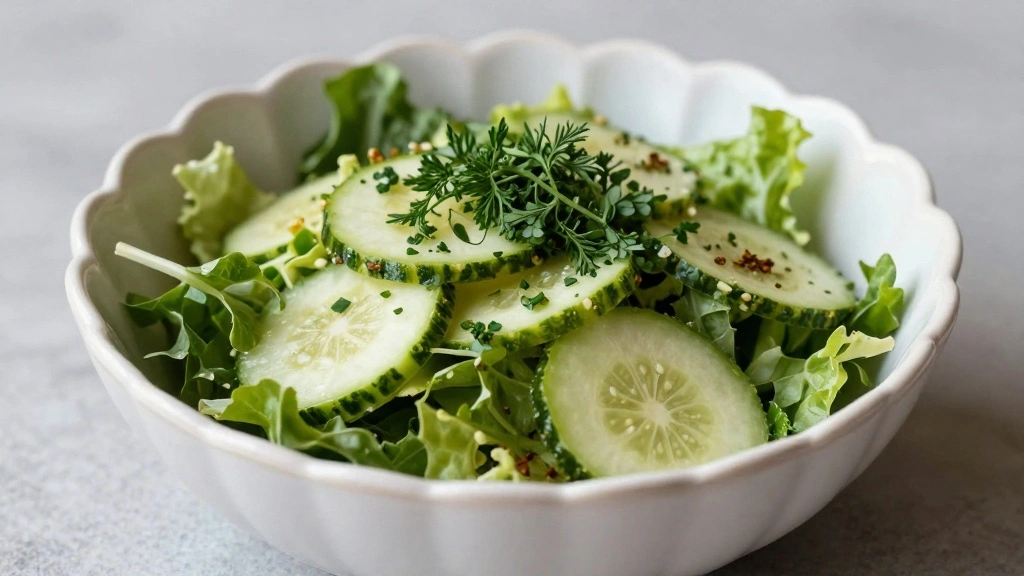
Transfer the salad to a serving bowl or individual plates.
Garnish with fresh herbs if desired for an added burst of flavor.
Serve immediately for the freshest taste and texture.
Enjoy the vibrant and refreshing flavors of the salad.


Critical Timing and Temperature Guide
Vegetable Preparation: Ensure vegetables are at room temperature before preparing. Cold vegetables can lead to a less flavorful salad. Avoid letting them sit too long after cutting to maintain freshness.
Dressing Emulsification: Whisk the dressing until fully emulsified, which takes about 1-2 minutes. Look for a creamy consistency and avoid separating the oil and lemon juice.
Serving Time: Serve the salad immediately after preparation. If stored, keep it chilled and consume within 24 hours to preserve texture and flavor.


Pro Tips for Tomato Cucumber and Onion Salad
• Ingredient Selection: Choose ripe, firm tomatoes and fresh cucumbers for the best flavor and texture. The quality of these ingredients makes the biggest difference in the final salad.
• Preparation Secret: Salting the onions slightly before adding them to the salad can mellow their sharpness and enhance their sweetness.
• Temperature Management: Use room temperature vegetables to ensure they absorb the dressing better and enhance the salad's overall flavor.
• Texture Enhancement: For added crunch, consider including a few slices of radish or bell pepper.
• Flavor Layering: Add a pinch of sugar or a splash of vinegar to the dressing for a deeper flavor profile.
• Make-Ahead Strategies: Prepare the vegetables in advance and store them separately from the dressing. Mix just before serving for optimal freshness.
• Restaurant-Quality Finishing Touches: Garnish with freshly chopped herbs like parsley or dill for a professional touch.
• Equipment Optimization: Use a salad spinner to remove excess water from vegetables, ensuring the dressing adheres better.
Troubleshooting Common Issues
• Salad Too Watery: This is often caused by wet vegetables. Use a salad spinner to thoroughly dry them before mixing.
• Flavors Unbalanced: If the salad tastes bland, adjust the seasoning with more salt, pepper, or a splash of vinegar to enhance flavors.
• Vegetables Too Soft: This occurs when the salad is left too long before serving. Prepare just before serving or store vegetables and dressing separately.
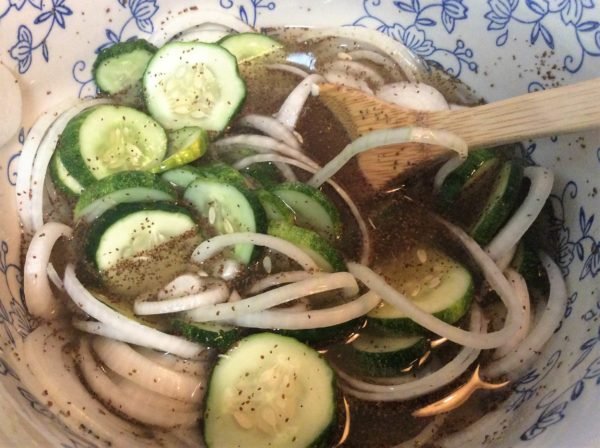
• Onion Too Sharp: Mild the onion's flavor by soaking it in cold water for a few minutes before chopping.
• Dressing Not Emulsified: Whisk longer or more vigorously, and consider adding a pinch of mustard to help the emulsification process.
Variations and Regional Differences
• Greek Style: Adds feta cheese and olives, and uses oregano in the dressing for a Mediterranean twist.
• Middle Eastern Variation: Includes chopped mint and parsley, with a dressing that incorporates sumac for a tangy flavor.
• Italian Version: Uses balsamic vinegar instead of lemon juice and adds mozzarella balls for a caprese-style salad.
• Mexican Influence: Introduces avocado and lime juice in the dressing, with a hint of cilantro for a fresh kick.
Food Science Behind the Recipe
• Emulsification: The process of combining oil and lemon juice into a stable mixture is key for the dressing to coat the salad evenly. Understanding emulsification helps achieve a consistent texture and flavor.
• Flavor Absorption: Room temperature vegetables absorb the dressing more effectively, ensuring a well-flavored salad. This principle highlights the importance of temperature in ingredient preparation.
• Acidity Balance: The acidity in lemon juice not only enhances flavor but also helps in preserving the color and freshness of the vegetables.


Frequently Asked Questions
What's the most common mistake people make when preparing Tomato Cucumber and Onion Salad? Using vegetables that are too cold or not properly dried can lead to a less flavorful and watery salad.
Can I prepare the salad in advance? Yes, but for best results, store the vegetables and dressing separately and combine just before serving.
How can I make the salad more filling? Add protein-rich ingredients like chickpeas or quinoa to make it more substantial.
What can I use instead of lemon juice in the dressing? You can substitute with apple cider vinegar or white wine vinegar for a different flavor.
How do I prevent the onions from overpowering the salad? Soak sliced onions in cold water for a few minutes to mellow their flavor before adding them to the salad.
Is it possible to make the salad spicier? Yes, add a pinch of red pepper flakes or chopped jalapeños for added heat.
What herbs work best as garnishes for this salad? Fresh parsley, dill, or basil are excellent choices that complement the salad's flavors.
Serving and Presentation Guide
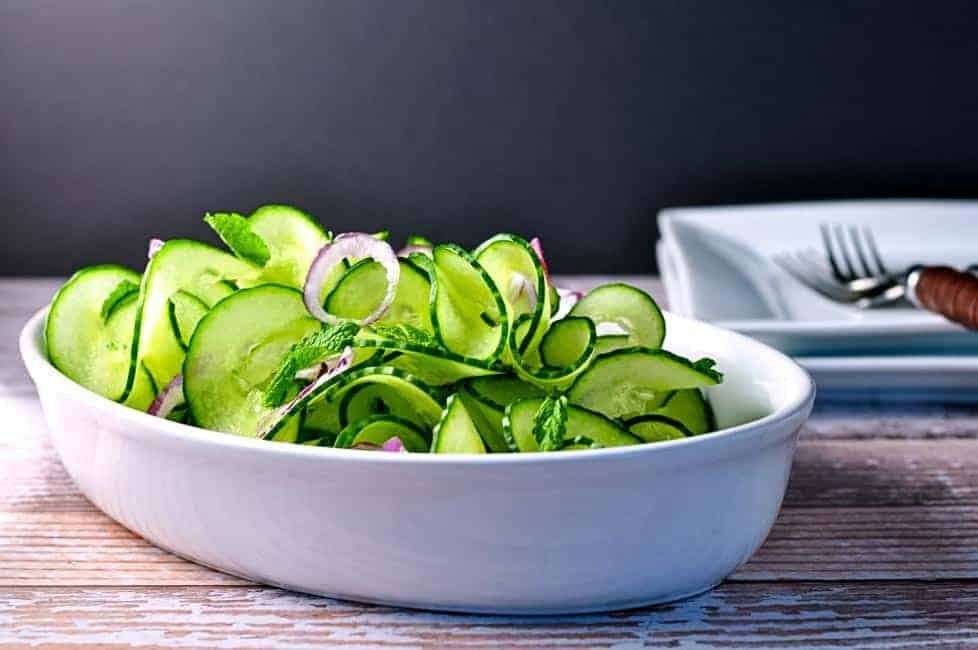
• Traditional Presentation: Serve in a large, shallow bowl with a sprinkle of fresh herbs on top for a vibrant and inviting appearance.
• Individual Portions: Present in small bowls or plates with a decorative lemon wedge on the side for a personalized touch.
• Family Style: Use a large platter and arrange the vegetables in layers, drizzling the dressing over the top for a communal dining experience.
• Buffet Setup: Offer the salad as part of a spread with toppings like olives or feta in separate bowls for guests to customize their plates.
Conclusion
This Tomato Cucumber and Onion Salad is a testament to the beauty of simplicity in cooking.
Its refreshing flavors and vibrant colors make it a delightful addition to any meal.
Try this recipe to experience a classic dish that brings freshness and zest to your table.
Enjoy the satisfaction of creating a dish that is both nourishing and delicious.