
Slow Cooker Recipes: Easy Meals, Less Effort!
Family-friendly dishes for busy people — quick prep, delicious results.
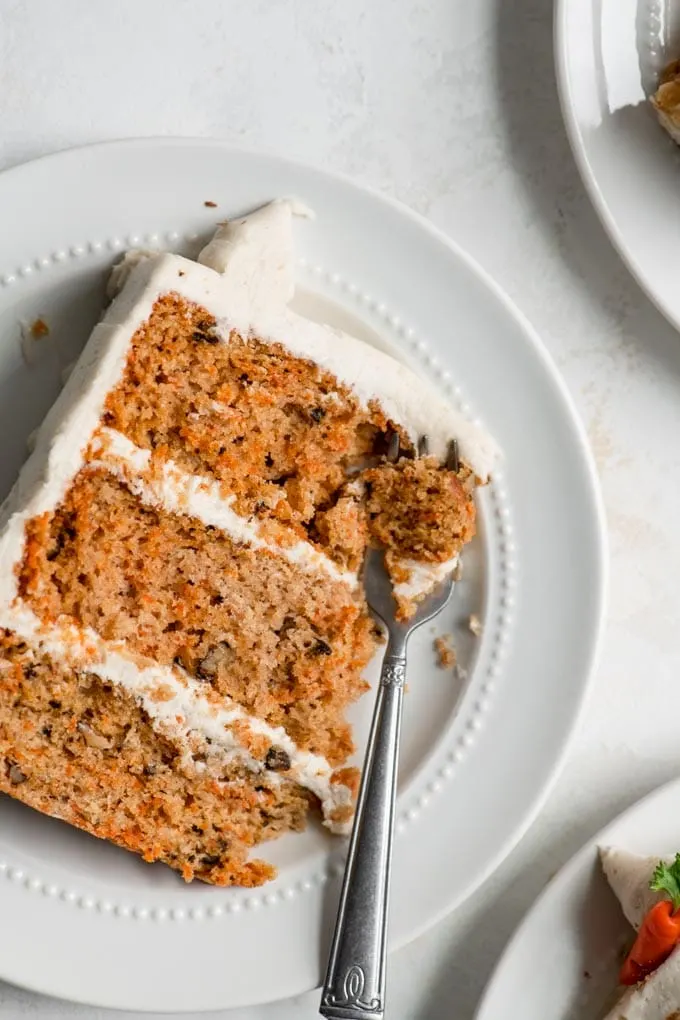
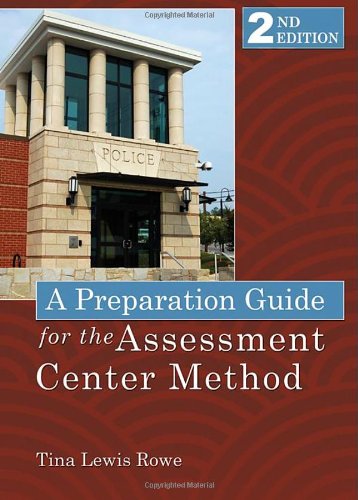
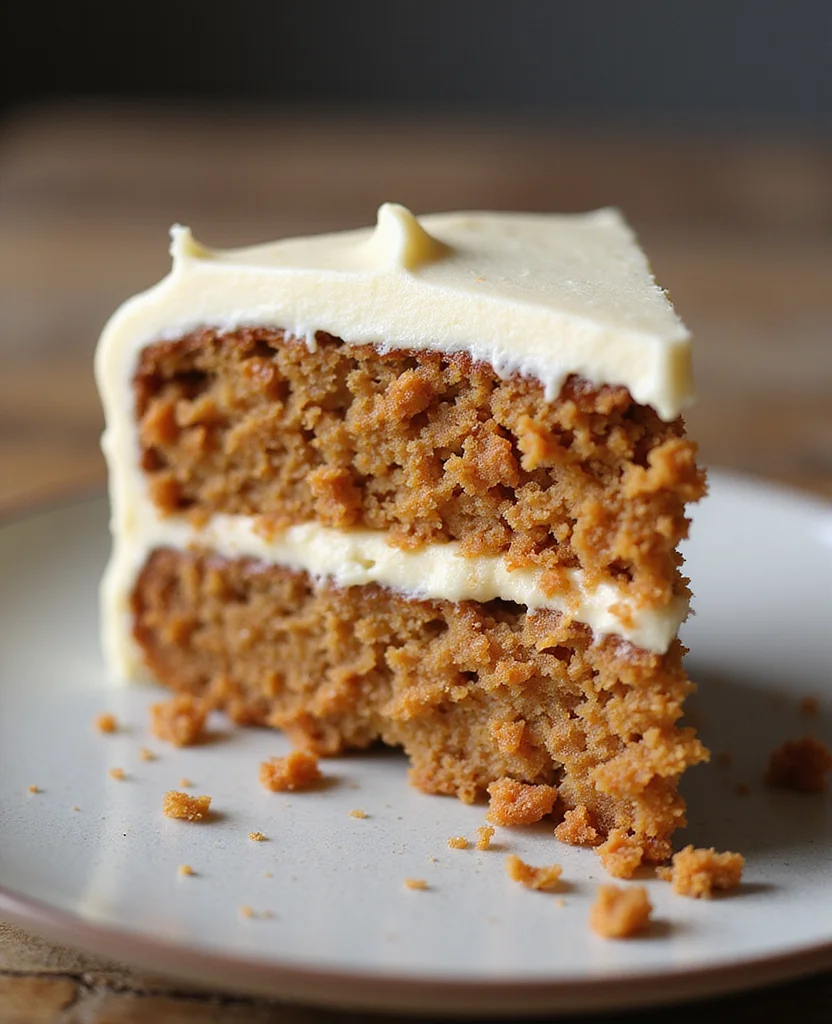
Grab yours for $4There’s something truly magical about a slice of carrot cake—its moist texture, the subtle sweetness of carrots, and the warmth of spices.
This vegan gluten-free version takes the beloved classic to new heights, ensuring everyone at the table can enjoy it.
Whether you’re a seasoned vegan or just exploring gluten-free options, this recipe delivers a cake that’s as indulgent as it is inclusive.
Perfect for any season, this carrot cake is a delightful addition to spring brunches or cozy autumn gatherings.
Prepare to impress your guests with a treat that’s as delicious as it is mindful of dietary choices.
With this recipe, you’ll experience the perfect blend of tradition and innovation in every bite.
The History and Cultural Significance
• Vegan Gluten-Free Carrot Cake traces its origins to the early 20th century, where it was originally created by bakers seeking to utilize surplus carrots during wartime rationing.
• The dish evolved over decades as bakers experimented with various flours and sugar alternatives, eventually becoming the beloved version we know today.
• In American and British cultures, this dish traditionally appears at spring celebrations like Easter, symbolizing renewal and abundance.
• While many variations exist across different regions, the authentic version maintains a moist texture and rich spice blend that sets it apart from imitations.


Recipe Overview
Nutritional Information (per serving)
Essential Equipment Guide
Mixing Bowls: Essential for combining ingredients evenly, ensuring a consistent batter. Look for a set that includes various sizes for different components. Stainless steel is durable and easy to clean.
Box Grater: Important for grating carrots to the perfect size, which helps maintain the cake’s texture. A multi-sided one offers versatility for other uses.
Springform Pan: Ideal for easy removal of the cake, especially useful for delicate gluten-free bakes. Ensure it has a reliable locking mechanism to prevent leaks.


Ingredients
For the Cake
|
| Amount | Ingredient | Notes |
|---|---|---|
| 2 cups | almond flour | provides a moist texture |
| 1 cup | gluten-free oat flour | adds structure |
| 1 teaspoon | baking soda | leavens the cake |
| 1 teaspoon | baking powder | aids in rising |
| 2 teaspoons | cinnamon | adds warmth |
| 1 teaspoon | nutmeg | enhances flavor |
| 1/2 teaspoon | salt | balances sweetness |
| 1 cup | carrots | grated finely |
| 1/2 cup | coconut oil | melted, adds richness |
| 1 cup | maple syrup | natural sweetener |
| 1 teaspoon | vanilla extract | adds depth |
For the Frosting
| Amount | Ingredient | Notes |
|---|---|---|
| 1 cup | cashews | soaked, for creaminess |
| 1/4 cup | coconut cream | adds richness |
| 2 tablespoons | lemon juice | for tang |
| 1/4 cup | maple syrup | sweetens naturally |


Preparation Methods
Carrot Grating: Grate the carrots finely to ensure they blend seamlessly into the batter, maintaining moisture and texture. Use a box grater for consistent results, and avoid pre-shredded carrots which can be too dry.
Cashew Soaking: Soak cashews in hot water for at least 30 minutes to soften them for a smooth frosting. This step is crucial for achieving a creamy texture without lumps.
Folding Technique: Carefully fold the grated carrots into the batter to avoid deflating it, using a spatula and a gentle hand. This ensures even distribution and maintains the cake's lightness.


Step 1: Prepare Ingredients
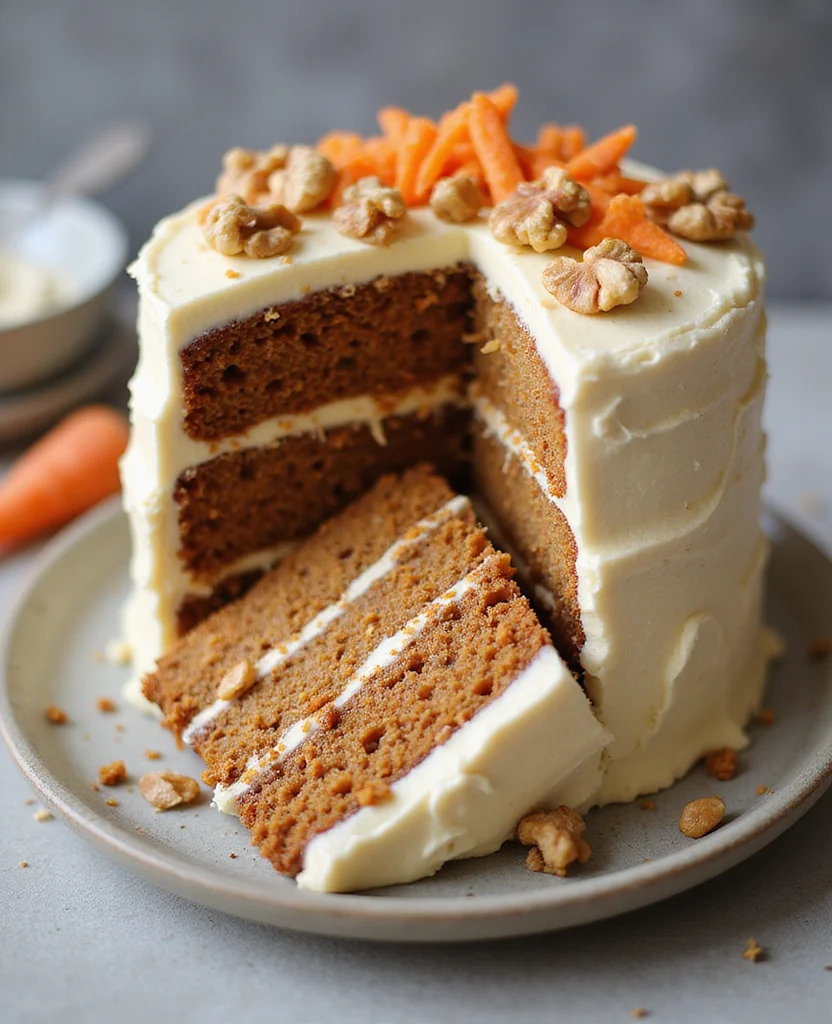
Gather all your ingredients and measure them accurately.
Ensure that the coconut oil is melted and the cashews are soaking.
Preheat your oven to 350°F (175°C).
Line a springform pan with parchment paper for easy release.


Step 2: Mix Dry Ingredients
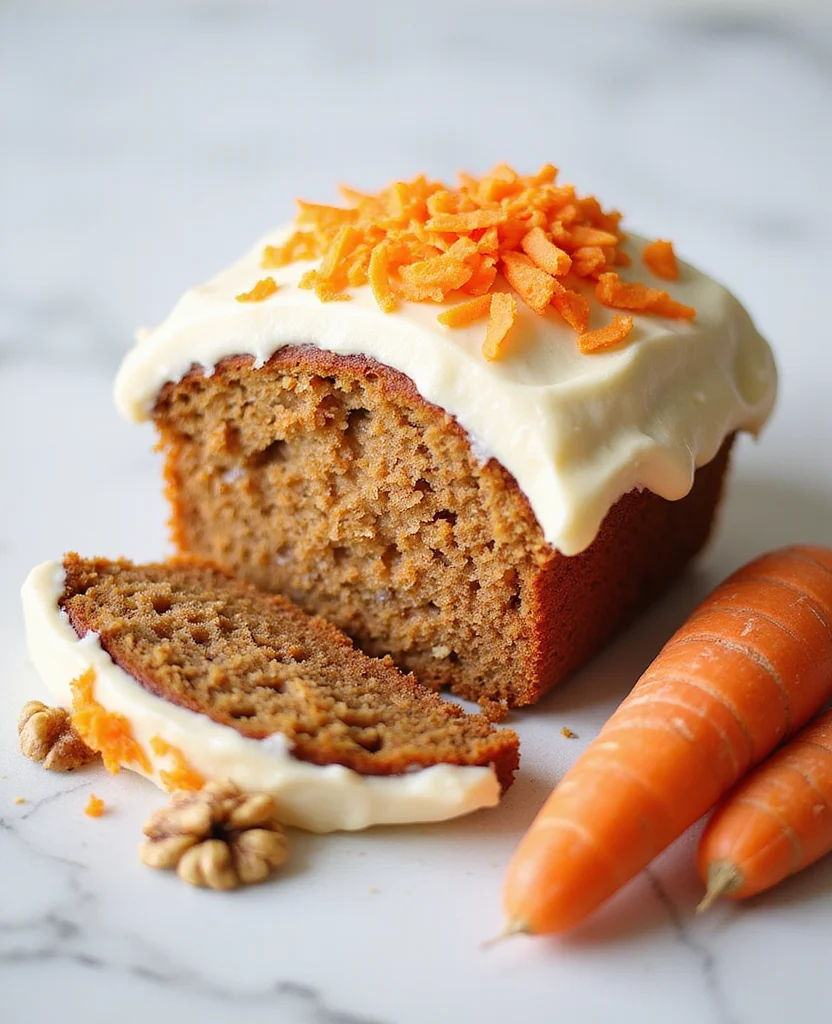
In a large mixing bowl, combine almond flour, oat flour, baking soda, baking powder, cinnamon, nutmeg, and salt.
Whisk until well combined to ensure even distribution of leavening agents.
Look for a uniform mixture with no clumps.
This dry mix forms the base of your cake batter.


Step 3: Combine Wet Ingredients
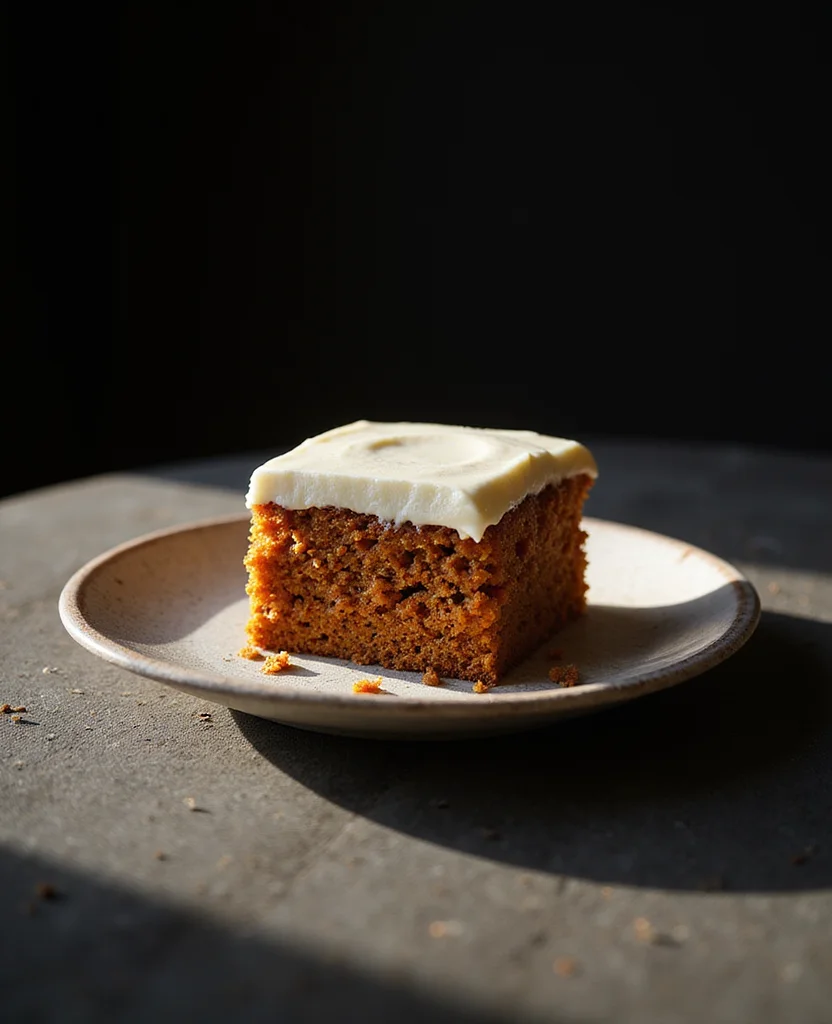
In another bowl, mix together melted coconut oil, maple syrup, and vanilla extract.
Whisk until the mixture is smooth and cohesive.
Ensure the coconut oil is fully incorporated to avoid uneven texture.
This wet mixture will be combined with the dry ingredients.
Step 4: Mix Wet and Dry Ingredients
Pour the wet ingredients into the dry ingredients.
Stir gently with a spatula until just combined.
Look for a batter that's cohesive but not over-mixed.
Over-mixing can lead to a dense cake.


Step 5: Fold in Carrots
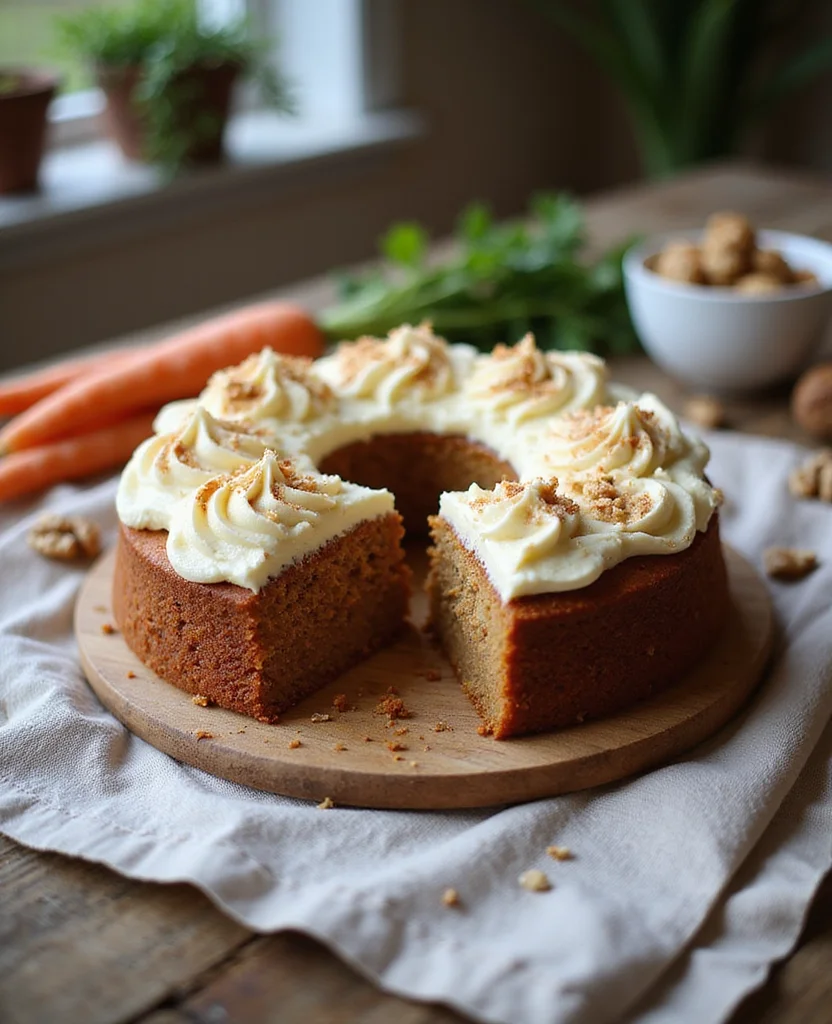
Add the grated carrots to the batter.
Use a folding technique to gently incorporate them.
Ensure the carrots are evenly distributed throughout the batter.
This step adds moisture and texture to the cake.


Step 6: Pour Batter into Pan
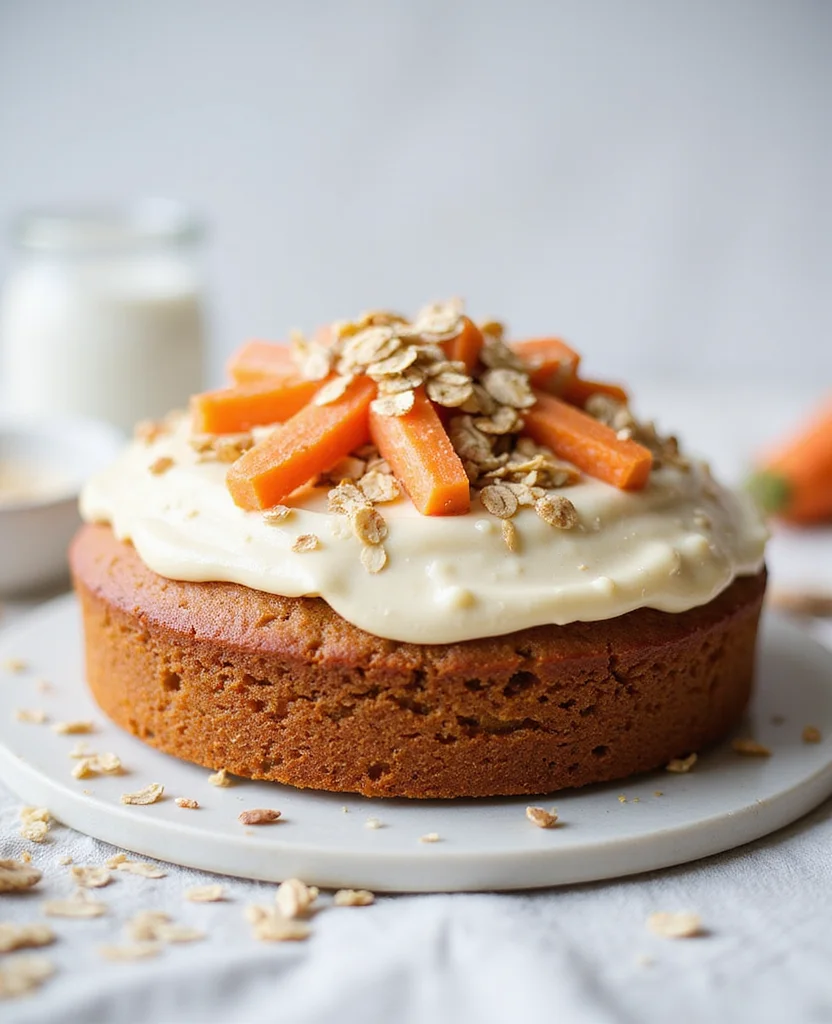
Transfer the batter into the prepared springform pan.
Smooth the top with a spatula to ensure even baking.
Tap the pan lightly on the counter to remove air bubbles.
Your cake is now ready for the oven.



Step 7: Bake the Cake
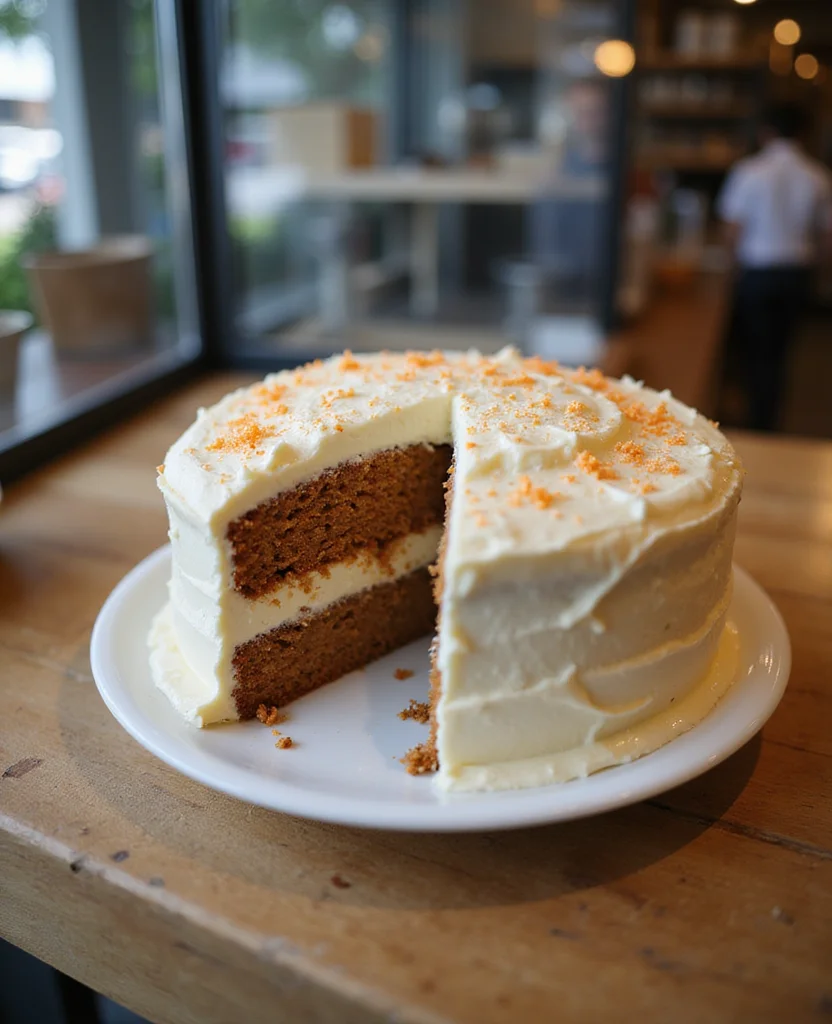
Place the pan in the preheated oven.
Bake for 40 minutes until the cake is golden and a toothpick comes out clean.
Check for doneness by inserting a toothpick into the center.
Let the cake cool in the pan for 10 minutes before removing.
Step 8: Prepare Cashew Frosting
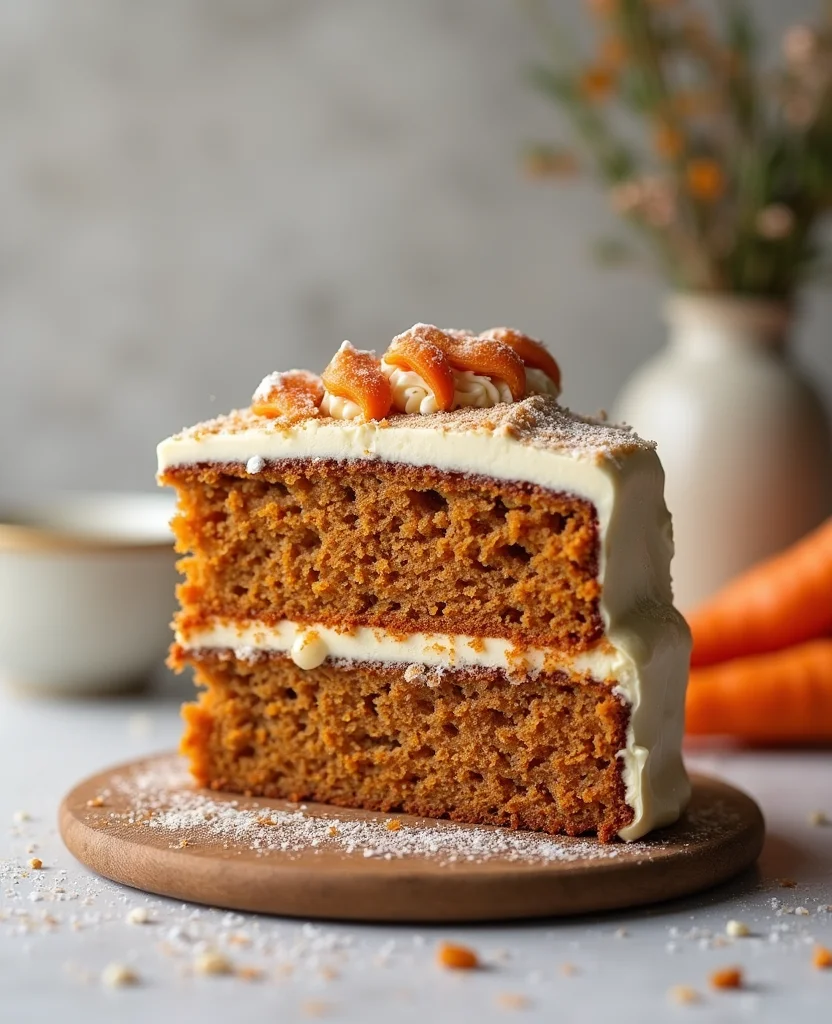
Drain the soaked cashews and place them in a blender.
Add coconut cream, lemon juice, and maple syrup.
Blend until completely smooth and creamy, pausing to scrape down sides as needed.
Adjust sweetness or tanginess to taste.
Step 9: Frost the Cake
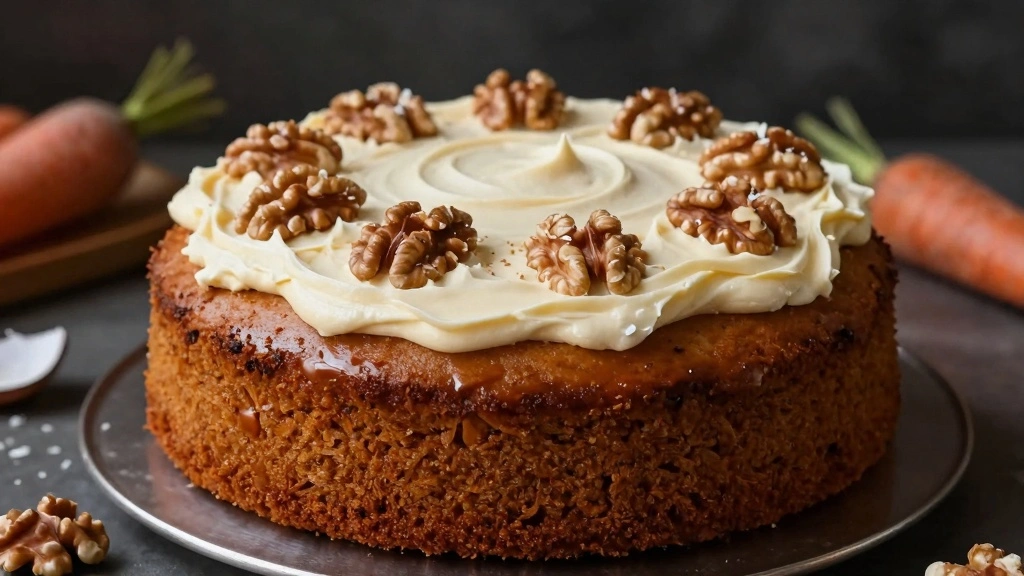
Once the cake is cool, spread the cashew frosting evenly over the top.
Use an offset spatula for a smooth finish.
Decorate with walnuts or shredded coconut if desired.
Refrigerate the cake for 30 minutes to set the frosting.
Critical Timing and Temperature Guide
Baking the Cake: Bake at 350°F (175°C) for exactly 40 minutes. Check for a golden top and a clean toothpick. Avoid opening the oven too early, as this can cause the cake to deflate.
Cooling Process: Allow the cake to cool in the pan for 10 minutes before transferring to a wire rack. This helps prevent cracking. Ensure the cake is completely cool before frosting.
Frosting Setting: Chill the frosted cake in the refrigerator for at least 30 minutes before serving. This allows the frosting to firm up and enhances the texture.


Pro Tips for Vegan Gluten-Free Carrot Cake
• Ingredient Selection: Choose fresh, organic carrots for the best flavor and natural sweetness. The quality of your carrots significantly impacts the cake's taste.
• Preparation Secret: Toast your spices before adding them to the batter to intensify their flavor. This step is often skipped but makes a noticeable difference.
• Temperature Management: Use room temperature ingredients for a smooth batter and even baking.
• Texture Enhancement: Don't over-mix the batter; gluten-free flours can become gummy if overworked.
• Flavor Layering: Add a pinch of cardamom for an unexpected depth of flavor that complements the cinnamon and nutmeg.
• Make-Ahead Strategies: You can prepare the frosting a day in advance and store it in the fridge. Just give it a good stir before use.
• Restaurant-Quality Finishing Touches: Use a microplane to zest a bit of fresh orange over the frosted cake for a burst of freshness.
• Equipment Optimization: Ensure your springform pan is well-sealed to prevent batter leakage, especially with gluten-free batters that can be looser.
Troubleshooting Common Issues
• Texture Too Dense: This can occur if the batter is over-mixed. Ensure you fold in the carrots gently and avoid using a whisk for the final mix.
• Flavors Unbalanced: If your cake lacks flavor, check the freshness of your spices. Stale spices can result in a bland taste.
• Frosting Not Smooth: If the frosting is gritty, the cashews weren't soaked long enough. Ensure they're very soft before blending.
• Cake Cracking: Cracks can occur if the oven temperature is too high. Use an oven thermometer to ensure accurate temperatures.
• Cake Sticking to Pan: Ensure your pan is well-lined with parchment paper and greased to prevent sticking.
• Frosting Too Runny: If the frosting is too loose, chill it for a bit longer or add more soaked cashews to thicken.
Variations and Regional Differences
• British Style: Often includes sultanas or raisins and a touch of orange zest in the batter, contributing to a fruitier flavor profile.
• American Classic: Typically features a thick layer of cream cheese frosting, which can be veganized using plant-based cream cheese.
• Middle Eastern Twist: Incorporates cardamom and pistachios, offering a unique aromatic and nutty experience.
• Caribbean Influence: Adds shredded coconut and a splash of rum for a tropical twist on the traditional carrot cake.
Food Science Behind the Recipe
• Emulsification: The combination of fats (coconut oil) and liquids (maple syrup) in the wet ingredients forms an emulsion that helps stabilize the batter.
• Leavening Agents: Baking soda and baking powder react with the acidic maple syrup, creating bubbles that lift the cake and make it light and airy.
• Hydration of Flours: Gluten-free flours require adequate hydration to prevent a gritty texture, which is achieved through the moisture from carrots and coconut oil.


Frequently Asked Questions
What's the most common mistake people make when preparing vegan gluten-free carrot cake? Over-mixing the batter, which can lead to a dense and gummy texture.
Can I substitute another flour for almond flour? Yes, cashew flour or sunflower seed flour can be used as a substitute.
How do I store leftover cake? Store the cake in an airtight container in the refrigerator for up to 5 days.
Can I make this recipe sugar-free? You can use a sugar-free syrup or monk fruit sweetener as an alternative to maple syrup.
Why is my frosting not thickening? Ensure the cashews are thoroughly blended and the frosting is chilled to help it set.
Can I freeze the cake? Yes, the cake can be frozen without frosting for up to 3 months. Thaw before adding frosting.
What can I use instead of coconut oil? Avocado oil or a light olive oil can be used as an alternative without affecting the flavor.
Serving and Presentation Guide
• Traditional Presentation: Serve the cake on a rustic wooden board, garnished with whole walnuts and a dusting of cinnamon.
• Modern Touch: Slice the cake into individual portions and arrange them on a geometric-patterned plate with a dollop of frosting on the side.
• Elegant Display: Use a cake stand with a glass dome, adorned with edible flowers for a sophisticated look.
• Casual Setting: Serve with a scoop of vegan vanilla ice cream and a drizzle of warm maple syrup.
Conclusion
With its rich flavors and moist texture, this vegan gluten-free carrot cake is sure to become a favorite in your recipe collection.
Perfect for any occasion, it offers a delightful balance of health and indulgence.
Invite your friends and family to enjoy a slice of this delicious cake, and watch as it disappears from the plate.
Try this recipe, and experience the joy of baking a cake that's both inclusive and irresistible.