
Slow Cooker Recipes: Easy Meals, Less Effort!
Family-friendly dishes for busy people — quick prep, delicious results.
Grab yours for $4If you’ve ever faced the disappointment of dense, flat gluten-free biscuits, you’re not alone. Achieving the perfect texture—light, airy, and tender—without gluten can seem daunting. So, What are the secrets to achieving light and fluffy gluten-free biscuits? It’s a question that has challenged many bakers, home cooks, and gluten-free enthusiasts alike. The key lies in understanding the nuances of gluten-free ingredients, mastering mixing techniques, and employing precise baking strategies. In this article, we delve deeply into the secrets behind crafting irresistibly soft and fluffy gluten-free biscuits, transforming your baking experience from frustrating to fabulous. From ingredient choices to troubleshooting common pitfalls, you’ll discover everything needed to elevate your gluten-free baking game.
Unlocking the Secrets to Light and Fluffy Gluten-Free Biscuits
Achieving that perfect fluffy texture in gluten-free biscuits is often a matter of understanding the unique properties of gluten-free flours and how they interact with other ingredients. Unlike wheat-based baking, which relies on gluten for elasticity and structure, gluten-free baking depends on a combination of starches, binders, and leavening agents. The secret is balancing these elements to mimic the lightness and rise that gluten typically provides. For instance, incorporating ingredients like xanthan gum or guar gum can impart structure, while adjusting hydration levels influences the crumb’s openness. Knowing how to manipulate these factors to your advantage can unlock bakery-quality biscuits that rise beautifully and melt in your mouth.
Furthermore, the timing and technique of handling your dough are critical. Overmixing can deflate the delicate structure, resulting in dense biscuits, while under-mixing can lead to uneven rise and texture inconsistencies. Resting your dough, gentle folding, and precise measurement ensure that the ingredients work harmoniously. Ultimately, mastering the art of gluten-free biscuit baking hinges on a holistic understanding of ingredient interactions, proper technique, and a bit of patience to refine your method for consistently delightful results.
The Essential Ingredients for Perfect Gluten-Free Biscuit Texture
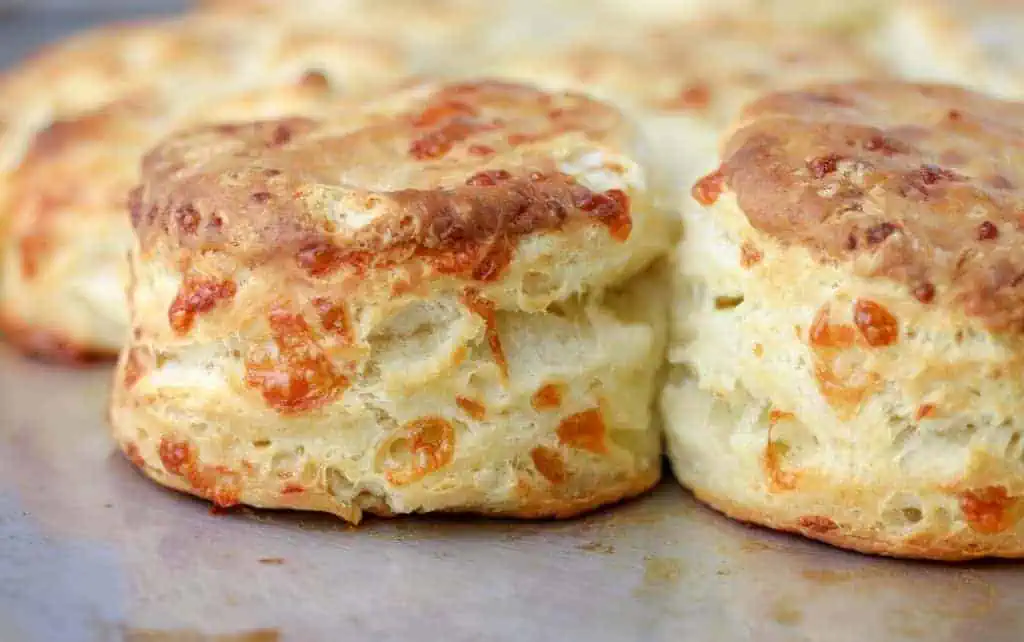
The foundation of truly fluffy gluten-free biscuits begins with selecting the right ingredients. The type of flour you choose plays a pivotal role; popular options include rice flour, almond flour, sorghum flour, or a pre-made gluten-free flour blend. Each has unique moisture absorption and enzyme properties that affect the final texture. A good gluten-free flour blend often contains a mix of rice flour, potato starch, and tapioca starch, providing a balanced structure and tender crumb. The starches create a light and airy interior, essential for that melt-in-the-mouth sensation.
Binders are equally crucial—xanthan gum, guar gum, or psyllium husk are typically used to replicate gluten’s elastic properties. These ingredients help trap air bubbles, allowing the biscuits to rise without collapsing. Fats such as butter or oil contribute to tenderness, while dairy or plant-based milks add moisture. Leavening agents, specifically baking powder and baking soda, generate the necessary lift. Precise measurement of each component matters greatly; too much or too little can drastically impact the texture. A pinch of sugar not only adds subtle sweetness but also enhances browning and tenderness, aiding in an overall sensory experience of lightness.
Mastering the Mixing Technique: The Key to Tender Gluten-Free Biscuits
The mixing process might seem straightforward, yet it holds the secret to achieving that coveted lightness in gluten-free biscuits. Overmixing can develop the starches excessively, leading to a dense, tough crumb. Conversely, undermixing might prevent the ingredients from coming together uniformly, resulting in an uneven rise. The trick is to combine the ingredients just until they are incorporated, maintaining a light, slightly shaggy dough that’s easy to handle. Using a gentle folding method can preserve air pockets and ensure the dough remains fluffy.
Another critical aspect is the temperature of your ingredients. Using cold butter or fat helps create steam during baking, which contributes to rise and flakiness. When incorporating fats, cubing and lightly tossing them into the flour mixture before cutting or folding can create fine pockets that expand during baking, yielding tender layers. Resting your dough briefly after mixing allows moisture to hydrate the flour and starches, resulting in a more cohesive, malleable dough that bakes into pillowy biscuits. Embracing patience and gentle handling during mixing is often what separates mediocre from exceptional gluten-free biscuits.
Baking Secrets: Achieving Optimal Rise and Fluffiness in Gluten-Free Biscuits
The baking process is where science and intuition meet—ensuring your biscuits reach their maximum fluffiness requires keen attention to oven temperature, baking time, and preparation. Preheating the oven thoroughly is essential; a hot oven (usually around 425°F or 220°C) promotes immediate rising through steam and leavening activity. For added lift, some bakers incorporate a small amount of additional baking powder just before baking, ensuring a fresh leavening boost. Place the biscuits on a hot baking sheet, or even in a preheated cast-iron skillet, to maximize thermal shock and rapid rise.
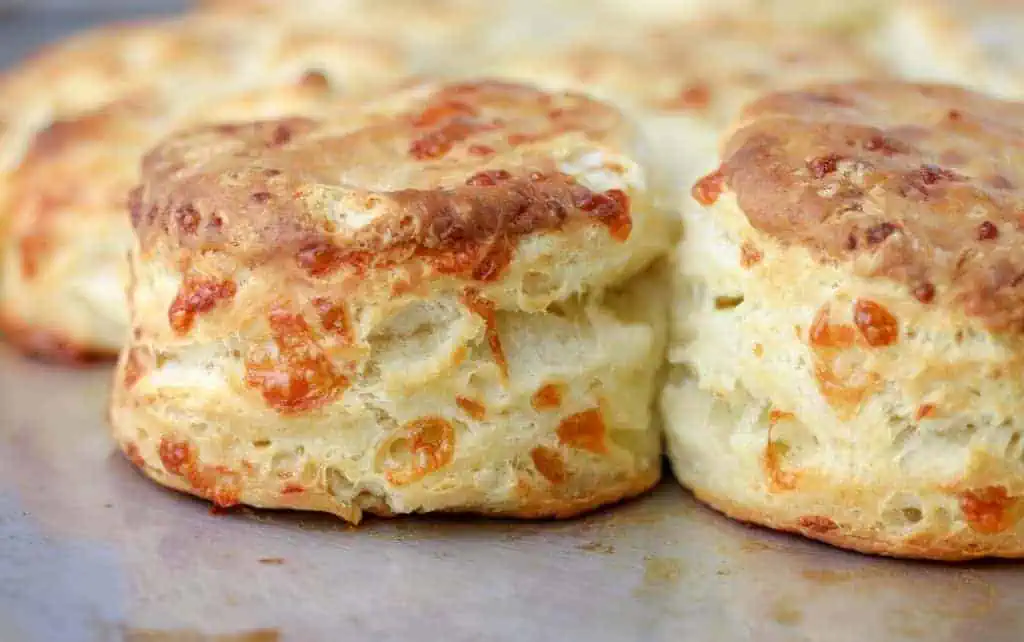
To prevent the biscuits from spreading too wide and losing their fluffiness, avoid overcrowding the baking sheet. Using a biscuit cutter or a glass dipped in flour helps shape the dough with minimal deformation. For an extra lift, consider brushing the tops with a little milk or beaten egg, which encourages browning and offers a slight boost to the final rise. Monitoring baking time is crucial—the biscuits should be golden on top and cooked through while remaining tender inside. Cooling them briefly on a wire rack allows steam to escape and preserves their airy structure, resulting in a truly light and fluffy gluten-free biscuit.


Troubleshooting Common Issues in Gluten-Free Biscuit Baking
Despite best efforts, many bakers encounter challenges with gluten-free biscuits that turn out dense, flat, or uneven. Recognizing these issues early can help you adjust your process effectively. Dense biscuits often result from insufficient leavening or overmixing, which decompresses the delicate air pockets. If your biscuits are flat, check your oven temperature—an oven thermometer can help ensure accuracy—and review your leavening agents’ freshness. Additionally, striking the right batter consistency—not too wet or dry—is crucial, as overly wet dough can spread excessively, while dry dough can lead to compactness.
Uneven rise or crumb structure can also be traced back to ingredient distribution. Uniformly mixing dry ingredients and gently incorporating moisture ensures even leavening and structure. Moreover, some bakers find that altitude and humidity influence baking outcomes, necessitating small adjustments to liquids or leavening agents. Be willing to experiment with small batch adjustments, take notes on each attempt, and progressively refine your process. Patience and attentive troubleshooting are invaluable in mastering consistently light and fluffy gluten-free biscuits.

Beyond the Basics: Elevating Your Gluten-Free Biscuit Game
Once you’ve nailed the fundamentals, there’s a world of creative possibilities to elevate your gluten-free biscuits. Incorporate herbs, spices, or grated cheese into the dough for savory variations that are perfect for breakfast sandwiches or accompanying soups. Adding fruit preserves, honey, or a dusting of cinnamon sugar can transform your biscuits into sweet treats. For extra layers of flavor and texture, try folding in chopped nuts, dried fruits, or chocolate chips, ensuring they are evenly distributed without compromising the dough’s delicate structure.
Presentation and serving temperature also play a role in enhancing the eating experience. Serve biscuits warm with a pat of butter or dairy-free spread to maximize their fluffiness and melt-in-your-mouth appeal. You might experiment with different toppings or glazes, such as coconut cream, fruit compote, or maple syrup, to complement variations in flavor. Elevating your gluten-free biscuit game is about combining technical mastery with culinary creativity, continuously exploring new ingredients and techniques to keep your baking exciting and satisfying.
Conclusion
Achieving light and fluffy gluten-free biscuits is both an art and a science, rooted in the careful selection of ingredients, mastering the mixing and handling processes, and employing precise baking techniques. Throughout this journey, understanding how gluten-free flours behave, using appropriate binders, paying attention to ingredient temperature, and controlling oven conditions are essential secrets that unlock the perfect rise and tender crumb. Troubleshooting common issues by adjusting leavening, mixing, and ingredient ratios further enhances your baking prowess. By experimenting beyond the basics with flavor enrichments and presentation, you can elevate your gluten-free biscuits to new heights. Ultimately, consistent practice and a willingness to refine your approach will lead to baking success—delivering light, airy, and irresistibly fluffy gluten-free biscuits that everyone will love.