

Slow Cooker Recipes: Easy Meals, Less Effort!
Family-friendly dishes for busy people — quick prep, delicious results.
Grab yours for $4When exploring the world of desserts, many people encounter labels like “lactose-free” and “dairy-free,” often used interchangeably but fundamentally different in what they imply about the ingredients. Understanding What’s the Difference Between Lactose-Free and Dairy-Free Desserts When Choosing Ingredient Substitutes? is crucial for allergy sufferers, lactose-intolerant individuals, vegans, and those simply seeking healthier options. This article aims to dissect these distinctions and guide you through the nuances of ingredient substitutions to create delicious desserts tailored to various dietary needs.
Decoding Dairy-Free and Lactose-Free: A Dessert Lover’s Guide
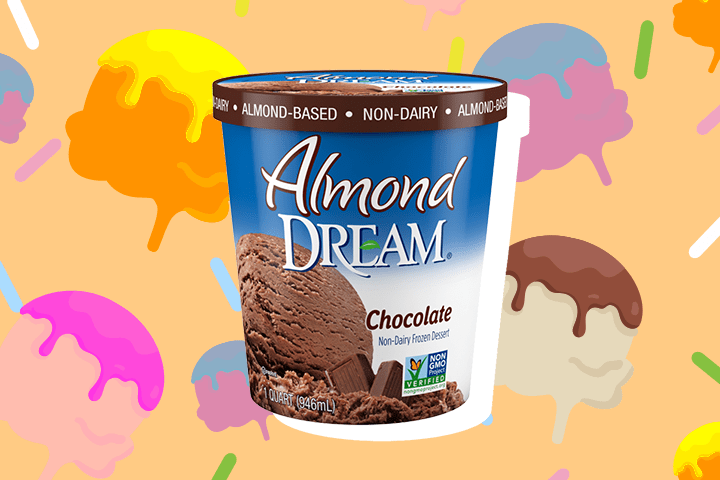
Deciphering the labels is the first step in crafting dessert recipes that suit specific dietary restrictions or preferences. A lactose-free dessert is one that avoids lactose, the sugar naturally present in milk. Typically, lactose-free products are made by adding the enzyme lactase, which breaks down lactose into glucose and galactose, making it easier to digest without removing the milk solids. Conversely, dairy-free desserts eliminate all dairy ingredients altogether, including milk, butter, cheese, and cream, addressing a broader range of dietary concerns, especially for vegans and those with dairy allergies.
For a dessert enthusiast, understanding these concepts allows for more creative and safe experimentation. If you’re lactose intolerant but still want to enjoy traditional dairy flavors, lactose-free alternatives may suffice. However, when dealing with allergies or strict vegan diets, opting for dairy-free solutions becomes essential. Recognizing that dairy-free doesn’t just mean lactose-free—since it encompasses all dairy proteins—opens a new realm of plant-based ingredients that can ‘mimic’ dairy flavors while satisfying diverse dietary restrictions.
Lactose-Free vs. Dairy-Free: Understanding the Key Distinctions

While lactose-free and dairy-free are often conflated, their differences are significant, especially when selecting ingredients for desserts. Lactose-free products are derived from regular dairy but have the lactose broken down or removed, making them suitable for people who are lactose intolerant but not allergic to dairy proteins. Dairy-free options entirely exclude dairy products, which means they also sidestep casein and whey, the allergenic proteins found in milk.
This distinction is vital because a lactose-free dessert may still contain dairy proteins, rendering it unsuitable for those with dairy allergies or strict vegans. For example, lactose-free milk is still dairy because it is derived from cows, while almond milk, coconut milk, or soy milk are entirely plant-based and free from dairy origin. When choosing ingredient substitutes, understanding whether your goal is managing lactose intolerance or avoiding all dairy components influences your ingredient choices and recipe formulation, allowing you to tailor desserts that are safe, inclusive, and flavorful.
Ingredient Substitutes in Lactose-Free Desserts: Maintaining Flavor and Texture
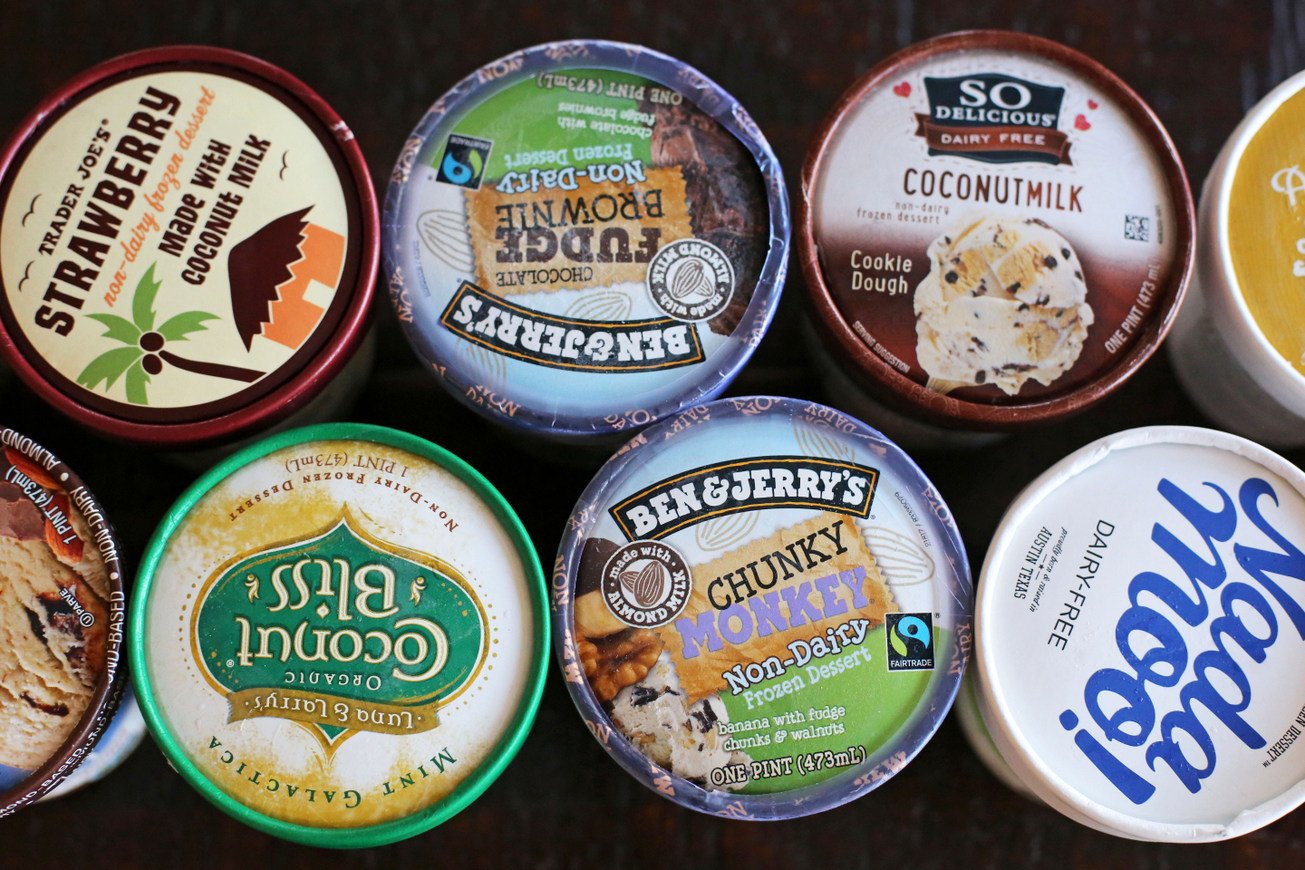
Creating luscious lactose-free desserts involves selecting substitutes that preserve the original flavor profile and textural appeal. Lactose-free dairy products, such as milk or cream, can often be replaced with lactose-free plant-based milks like almond, oat, soy, or rice milk. Each of these has unique flavors and viscosities, which impact the dessert’s final texture—oat milk, for instance, provides creaminess, while rice milk offers a lighter consistency.
Beyond liquids, butter can be substituted with dairy-free options like coconut oil, vegan margarine, or nut butters, ensuring the richness remains intact. The challenge lies in mimicking the mouthfeel and sweetness that lactose contributes, often addressed by adding natural thickeners such as cornstarch, agar-agar, or plant-based gelatin. The key is balancing these ingredients to retain the moisture, creaminess, and flavor intricacies of traditional lactose-containing desserts, making sure that each bite remains indulgent without compromising dietary restrictions.
Dairy-Free Dessert Alternatives: Exploring Plant-Based Options

Vegan and dairy-free desserts rely on an array of plant-based ingredients that transcend the limitations of dairy. Coconut milk, cashew cream, avocado, and banana are popular choices for creating creamy textures, thick batters, and rich flavors without any animal products. These ingredients not only substitute dairy but also bring their own unique nutritional profiles and culinary characteristics to the table. For example, coconut milk contributes a tropical aroma, while blended avocados provide a velvety consistency and healthy fats.
Innovative plant-based ingredients open up endless creative possibilities—think aquafaba (the liquid from chickpeas) used as an egg replacer or coconut sugar as a substitute for refined sugar. Dairy-free desserts often appeal to health-conscious consumers because they are lower in saturated fats and free from cholesterol, aligning with broader trends toward plant-based eating. Plus, they cater to flavor explorations with spices like cardamom, cinnamon, and vanilla, imbuing the desserts with complexity and depth that can rival traditional dairy-based treats.
Navigating the Grocery Aisle: Choosing the Right Substitutes for Your Dessert Recipes
Selecting the appropriate ingredients while grocery shopping is key to successful dairy-free or lactose-free desserts. Comparing labels becomes crucial—reading ingredient lists to confirm the absence of dairy proteins for dairy-free products, or ensuring lactose has been enzymatically removed for lactose-free items. For those crafting from scratch, understanding the properties of each substitute, such as sweetness, thickness, and flavor compatibility, helps to predict how they will behave in recipes.
Investing in a variety of plant-based milks, creams, and fats provides flexibility when experimenting with desserts. For instance, coconut milk is excellent for rich, decadent mousse or ice cream, while almond milk works well in lighter cakes and puddings. Familiarity with these ingredients—knowing their consistency, flavor, and how they interact with thickeners and sweeteners—enables you to adapt recipes confidently. Sensory evaluation, such as tasting during substitutions, ensures each dessert maintains its desired texture and flavor profile, ultimately elevating your baking experience.
Beyond Lactose and Dairy: Considerations for Other Dietary Needs in Dessert Making
While managing lactose intolerance and dairy allergies covers a significant portion of dietary restrictions, the world of desserts extends further to cater to gluten-free, nut-free, sugar-free, and allergen-sensitive diets. For example, when creating desserts suitable for gluten-free eaters, substituting wheat flour with almond flour, rice flour, or gluten-free oats is common, but must be balanced carefully to maintain texture. Similarly, nut allergies demand caution with ingredient substitutions like nut-based milks or butters; in such cases, seed-based alternatives like sunflower or hemp milk become advantageous.
Dietary considerations often intersect, requiring a multi-pronged approach to recipe development. For instance, crafting a dairy-free, nut-free, and vegan cake demands thoughtful ingredient selection to ensure all allergies and dietary restrictions are addressed without sacrificing taste and appeal. Advanced substitutions, such as using pureed vegetables or fruits to replace fats or sugars, broaden the possibilities for inclusive, health-conscious desserts. Ultimately, understanding What’s the Difference Between Lactose-Free and Dairy-Free Desserts When Choosing Ingredient Substitutes? allows bakers and cooks to craft desserts that are both safe and luscious for diverse dietary needs.
Conclusion
In the evolving landscape of dietary restrictions and culinary innovation, understanding the key difference between lactose-free and dairy-free desserts is foundational in choosing appropriate ingredient substitutes. Lactose-free options cater primarily to those with lactose intolerance by targeting sugar content, while dairy-free alternatives serve a broader spectrum, including vegans, dairy allergies, and those seeking plant-based lifestyles, by excluding all forms of dairy. Successfully developing dairy-free and lactose-free desserts requires not only substituting ingredients but doing so in a way that maintains flavor, texture, and visual appeal. Whether you’re exploring plant-based milks, fats, thickeners, or flavorings, tailored choices rooted in understanding these distinctions empower bakers and cooks to create safe, indulgent, and memorable desserts that meet various dietary needs. The journey from label reading to culinary artistry is enriched by this knowledge, sparking creativity and inclusivity in every bite.