
Slow Cooker Recipes: Easy Meals, Less Effort!
Family-friendly dishes for busy people — quick prep, delicious results.
Grab yours for $4Why a Gluten-Free Diet Is Important for New Mothers? Navigating postpartum health can be complex, especially with the myriad of dietary choices and medical considerations new mothers face. Among these, understanding the role of gluten and its impact on postpartum recovery and overall well-being has gained increasing attention. A gluten-free diet may not only ease certain postpartum symptoms but also promote better health for both mother and infant. As research continues to unfold, it becomes clear that prioritizing a gluten-free lifestyle can be a vital component of postpartum care, especially for those sensitive or intolerant to gluten.
Understanding Gluten Sensitivity and Its Impact on Postpartum Health

Gluten sensitivity is a condition where consuming gluten—the protein found in wheat, barley, and rye—triggers adverse reactions that can affect overall health, without the full-blown immune response characteristic of celiac disease. For new mothers, postpartum health can be compromised by subtle digestive issues, fatigue, and mood disturbances that may be exacerbated by gluten intake. Recognizing gluten sensitivity is crucial because many women may experience symptoms that mimic or worsen postpartum depression, fatigue, or gastrointestinal issues, yet remain undiagnosed. Understanding this sensitivity allows mothers to identify potential triggers that hinder their recovery and well-being during this critical period.
Postpartum is a time when immune function and hormonal balance are already vulnerable. In some cases, gluten consumption can contribute to systemic inflammation, immune dysregulation, and nutrient absorption issues, delaying recovery and impacting mental health. It’s important to note that gluten sensitivity can be genetically predisposed, yet environmental factors, such as diet, can influence its onset and severity. Managing gluten intake through a well-structured gluten-free diet can significantly improve postpartum health, reduce discomfort, and foster a more resilient immune system for mothers navigating the demands of new motherhood.
The Link Between Gluten Consumption and Common Postpartum Symptoms
Many postpartum symptoms like fatigue, brain fog, bloating, mood swings, and digestive distress can be exacerbated by gluten consumption. Recent studies suggest that gluten can influence the gut-brain axis, impacting mental health and cognitive clarity—a vital aspect for new mothers striving to adapt to their rapidly changing lives. When a mother consumes gluten, especially if she has a sensitivity or intolerance, it can increase intestinal permeability (“leaky gut”), leading to inflammatory responses affecting overall energy levels, mood stability, and physical comfort. Recognizing this link empowers mothers to evaluate their diets more consciously.
Furthermore, postpartum recovery is a time when the body needs optimal nutrition and minimal inflammation. Gluten-induced inflammation can interfere with tissue repair and hormonal rebalance—key elements for a healthy postpartum phase. Removing gluten from the diet has shown tangible benefits in reducing symptoms like bloating, fatigue, and depression. For nursing mothers, this dietary adjustment can also positively influence breast milk quality by reducing inflammatory markers, creating a healthier environment for infants. Such insights highlight the importance of considering gluten as a potential culprit behind lingering postpartum discomforts.
Benefits of a Gluten-Free Diet for Nursing Mothers and Infants

Adopting a gluten-free diet can offer numerous benefits for nursing mothers, including improved digestion, better mood regulation, and higher energy levels—elements essential for caring for a newborn. When mothers eliminate gluten, many report a reduction in gastrointestinal symptoms, decreased sensitivity to allergens, and an overall sense of well-being. These benefits are especially impactful in the postpartum period, where physical and emotional resilience is crucial. The tangible boost in health can translate into a more positive, less stressful postpartum experience, fostering stronger bonds with the new baby.
For infants, the benefits of a mother’s gluten-free diet extend into breast milk composition. Some research suggests that gluten peptides can pass into breast milk and may cause discomfort or fussiness in sensitive infants. By maintaining a gluten-free diet, mothers potentially reduce the risk of exposing their babies to inflammatory triggers, supporting healthy gut development and immune system maturation. This proactive approach can prevent the onset of gluten intolerance or sensitivities in infants later in life, contributing to long-term health benefits. Consequently, many health practitioners now recommend a cautious, gluten-free approach during breastfeeding to optimize outcomes for both mother and child.
Gluten Intolerance vs. Celiac Disease: Diagnosis and Management in New Mothers
While both gluten intolerance and celiac disease involve adverse reactions to gluten, their diagnosis, severity, and management strategies differ significantly. Celiac disease is an autoimmune disorder diagnosed through specific antibody tests and intestinal biopsy, and it requires strict lifelong gluten avoidance. Gluten intolerance, on the other hand, is a less understood condition with symptoms overlapping with celiac but without autoimmune damage. Proper diagnosis is critical for new mothers because untreated celiac disease can lead to nutrient deficiencies, anemia, and complications during breastfeeding or postpartum recovery.
Managing these conditions postpartum entails a detailed medical evaluation to distinguish between intolerance and celiac disease. For mothers diagnosed with celiac disease, adherence to a strict gluten-free diet is non-negotiable, as accidental gluten exposure can cause significant health setbacks. For those with gluten sensitivity or intolerance, a tailored and gentle elimination approach may suffice, often under the guidance of a healthcare professional. Recognizing the importance of accurate diagnosis, healthcare providers can help new mothers navigate dietary adjustments that optimize recovery and minimize risks, ensuring both maternal and infant health are safeguarded.
Implementing a Gluten-Free Diet Safely and Effectively Postpartum
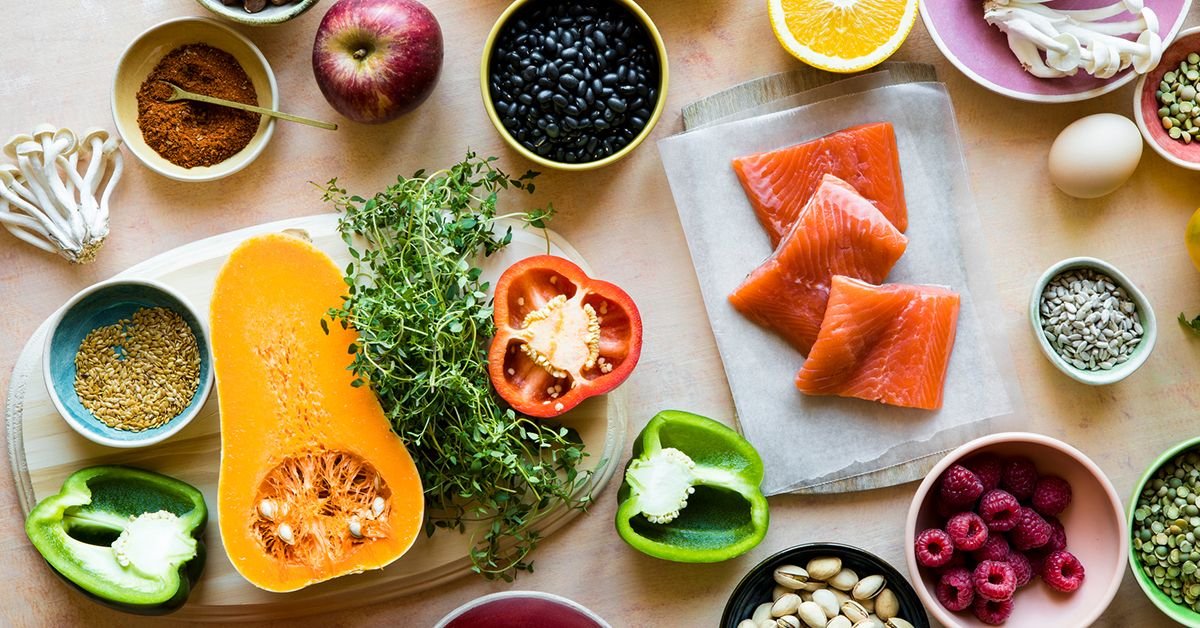
Transitioning to a gluten-free diet postpartum requires thoughtful planning to ensure nutritional adequacy and convenience. It’s essential for new mothers to educate themselves about gluten-containing foods, hidden sources of gluten, and safe food preparation practices. Incorporating a variety of naturally gluten-free foods like fruits, vegetables, lean proteins, nuts, seeds, and gluten-free grains helps sustain energy and supports healing. Cooking at home with fresh ingredients often provides better control over gluten exposure, while eating out may require careful message delivery to restaurant staff to prevent cross-contamination.
Support systems, such as gluten-free recipe resources, community groups, and dietitian consultations, can provide ongoing guidance and encouragement. For nursing mothers, maintaining a balanced diet rich in essential nutrients like iron, calcium, and fiber is especially critical for postpartum recovery and milk production. Vigilance in label reading, meal prepping, and seeking high-quality gluten-free products help make the transition sustainable. Importantly, postpartum is a sensitive time—so gradually adjusting dietary habits, listening to the body’s responses, and seeking medical advice when necessary ensure a safe and effective gluten-free journey that benefits both maternal health and breastfeeding success.
Nutritional Considerations and Meal Planning for Gluten-Free New Mothers
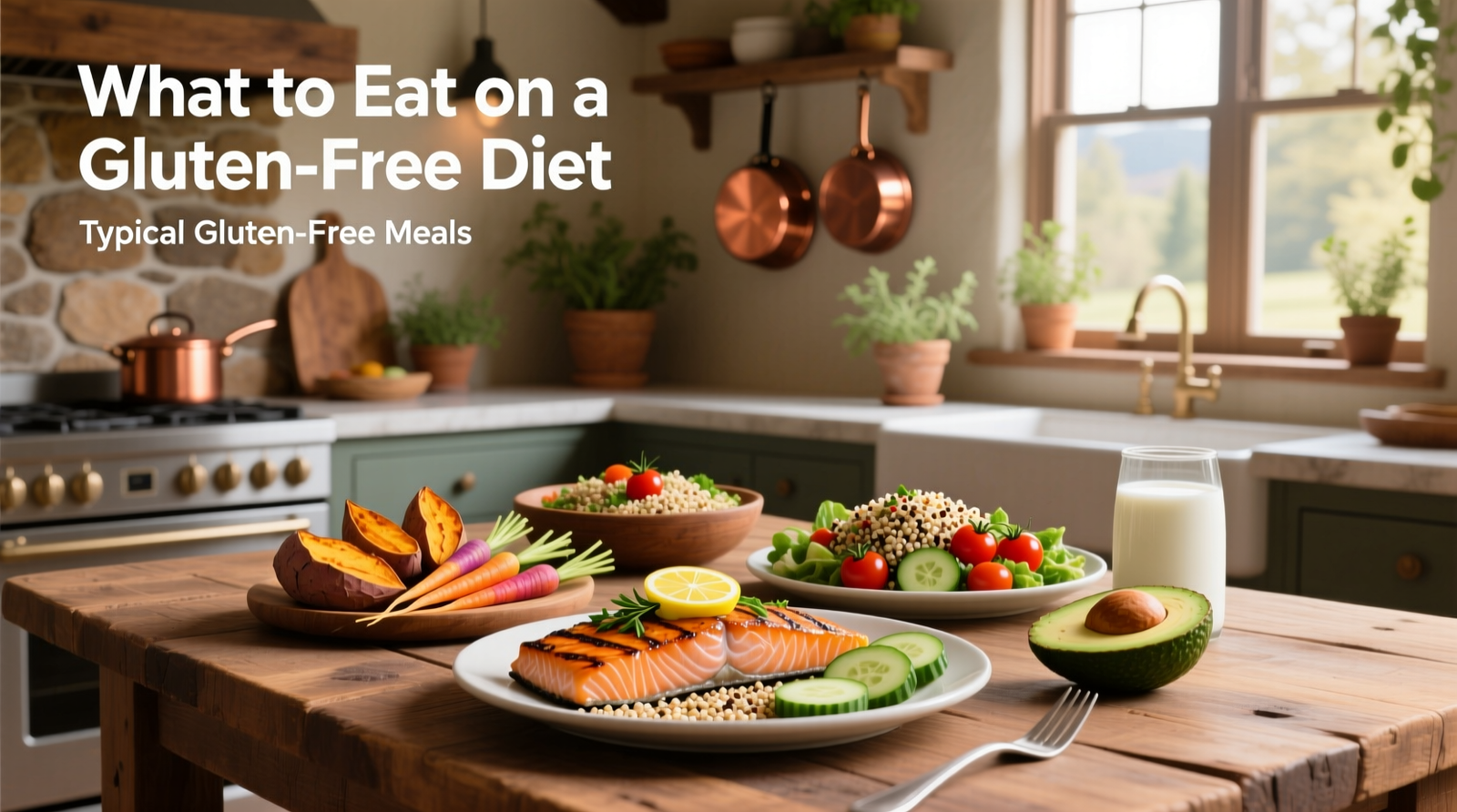
Ensuring proper nutrition on a gluten-free diet, especially during postpartum recovery, involves strategic meal planning that maximizes nutrient intake while avoiding gluten. Many gluten-free grains such as quinoa, rice, millet, and buckwheat are rich in fiber, minerals, and antioxidants that support digestion and immune health. Incorporating a variety of colorful vegetables and lean proteins ensures a balanced intake of essential amino acids, vitamins, and minerals necessary for healing, energy, and lactation. Planning meals ahead allows new mothers to navigate their busy schedules without compromising on nutritional quality.
Furthermore, nutritional considerations extend beyond just avoiding gluten. Supplements may sometimes be needed to fill nutrient gaps like vitamin B12, iron, or omega-3 fatty acids—especially if postpartum bleeding or dietary restrictions reduce intake. Engaging with a registered dietitian can help tailor meal plans to individual health needs, preferences, and lifestyle constraints. A well-structured gluten-free diet that emphasizes whole, minimally processed foods supports a steady supply of energy, stabilizes mood, fosters healing, and promotes overall postpartum well-being. As new mothers prioritize self-care through nutritious, thoughtfully planned meals, they set a positive foundation for themselves and their infants’ long-term health.
Conclusion
Opting for a gluten-free diet during postpartum can significantly influence a mother’s recovery, mental health, and overall well-being, particularly when gluten sensitivity or intolerance is present. By understanding the nuanced differences between gluten intolerance and celiac disease, mothers can seek accurate diagnosis and tailored management strategies that facilitate health improvements. Implementing a gluten-free lifestyle requires careful planning, nutritional awareness, and support, but offers benefits such as reduced inflammation, improved digestion, better mood stability, and a healthier environment for breastfeeding infants. Prioritizing a gluten-free diet postnatally is thus a proactive choice that can foster resilience, healing, and long-term wellness for both mother and child, making Why a Gluten-Free Diet Is Important for New Mothers? a crucial consideration in modern postpartum care.