
Slow Cooker Recipes: Easy Meals, Less Effort!
Family-friendly dishes for busy people — quick prep, delicious results.
Grab yours for $4Why Gluten-Free Vegan Carrot Cake Often Needs a Longer Resting Time? This question frequently arises among bakers striving to perfect a moist, flavorful, and structurally sound carrot cake without gluten and animal products. Unlike traditional recipes that rely heavily on gluten and eggs for their structure and moisture retention, gluten-free vegan versions present unique challenges. Resting time becomes a pivotal element in achieving a cake that is both delightful to the palate and visually appealing. In this article, we will explore the reasons behind the extended resting period required for this type of cake, delving into the science and culinary nuances that influence its texture and flavor.
Understanding the Unique Challenges of Gluten-Free Vegan Baking
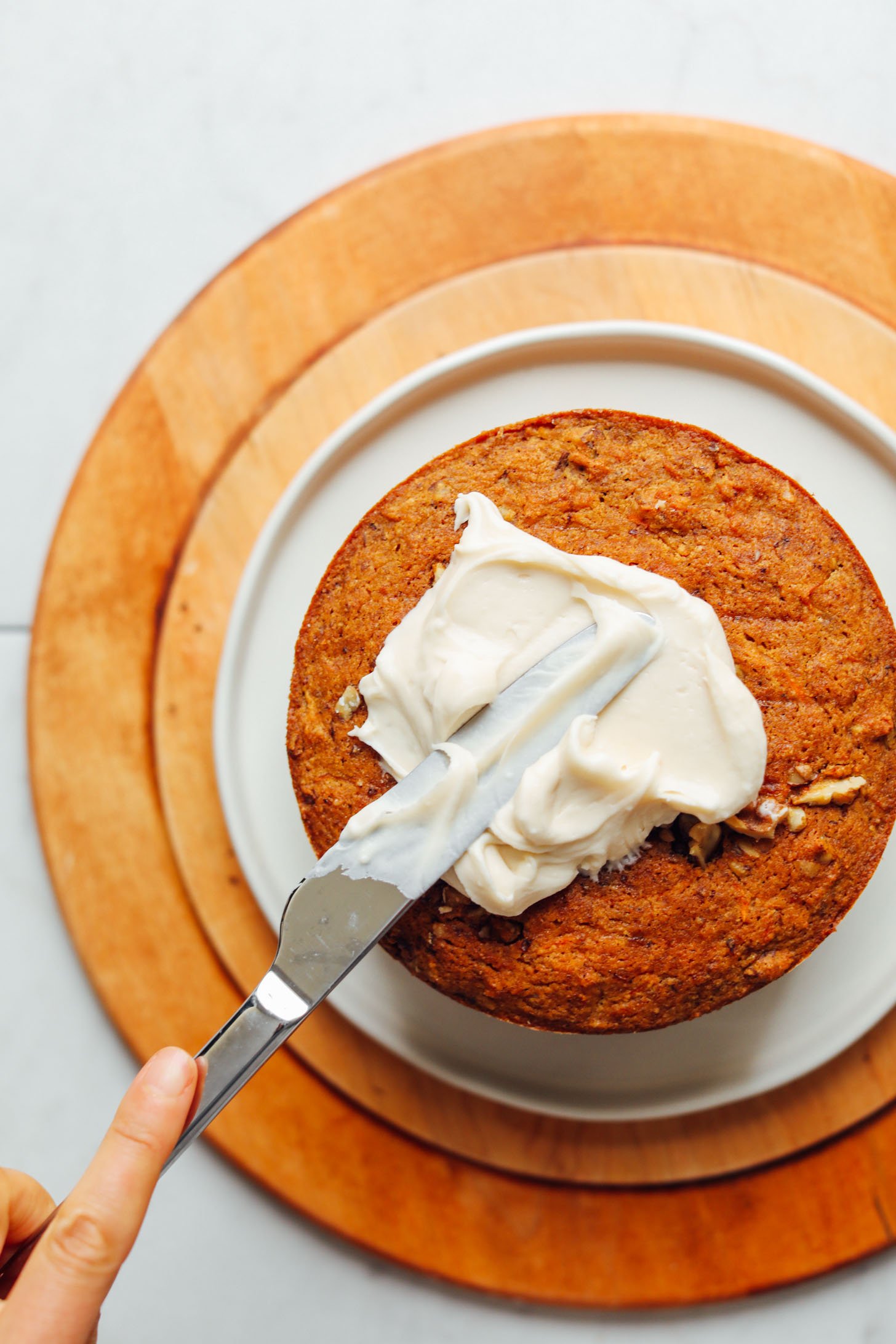
Gluten-free vegan baking is a delicate balance between health-conscious ingredients and the culinary science that ensures a baked good holds together properly. The absence of gluten, a naturally occurring protein in wheat and related grains, removes the primary gluten network responsible for elasticity and chewy texture in traditional cakes. Furthermore, vegan recipes exclude eggs, which, in conventional baking, serve as binders, moisture retainers, and leavening agents. This combination can lead to crumbly, dry, or overly dense cakes if not carefully managed. Bakers often encounter difficulties in replicating the tender crumb and height that gluten and eggs typically provide, which makes understanding the interplay of ingredients crucial.
The challenges go beyond structural integrity; flavors and moisture levels can also be compromised. Without gluten and eggs, the cake relies on alternative flours, plant-based binders, and moisture-packed ingredients. As a result, the batter may develop a different consistency—often wetter or more viscous—and the interaction between ingredients continues to evolve after baking. Resting the cake for an appropriate length of time allows these components to fully meld, hydrate, and settle, significantly improving texture and flavor. Recognizing these challenges helps explain why gluten-free vegan carrot cake often needs a longer resting time to achieve that perfect moistness and structural integrity.
The Role of Gluten and Eggs in Traditional Carrot Cake Structure
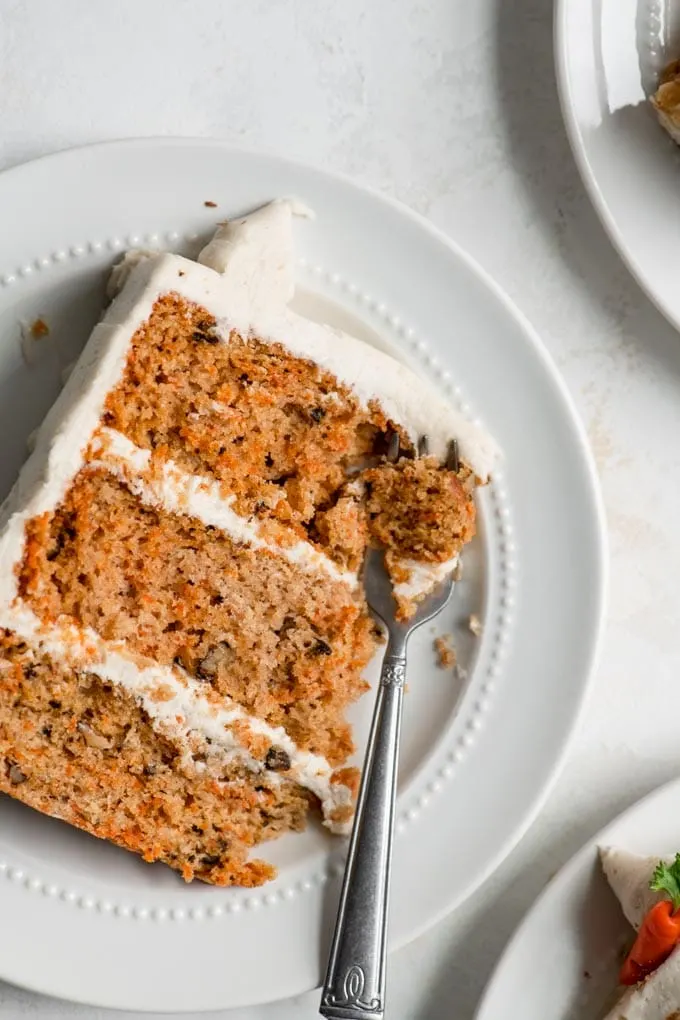
In traditional carrot cakes, gluten and eggs play pivotal roles in shaping the final product. Gluten, the elastic network formed when flour proteins interact with water, provides the necessary structure for the batter to trap gases generated during leavening. Eggs, on the other hand, act as natural binders, moisture providers, and leavening agents, contributing to a tender, airy crumb and helping the cake rise evenly. Together, they create a resilient yet tender matrix capable of supporting rich fillings or frosting without collapsing.
Remove gluten and eggs from the equation, and you fundamentally change the cake’s foundational scaffold. In gluten-free vegan baking, the absence of gluten means bakers depend on alternative ingredients like xanthan gum, flaxseed meal, or applesauce to mimic these properties. These substitutes not only need time to hydrate but also require a period of rest for the batter or baked cake to reach optimal texture. Resting allows the alternative binders to develop their full strength, ensuring the carrot cake’s crumb remains moist but holds together well. This interconnected dynamic illustrates why gluten-free vegan carrot cake often needs a longer resting time—to compensate for the structural roles traditionally played by gluten and eggs.
Why Gluten-Free Flours Absorb Moisture Differently
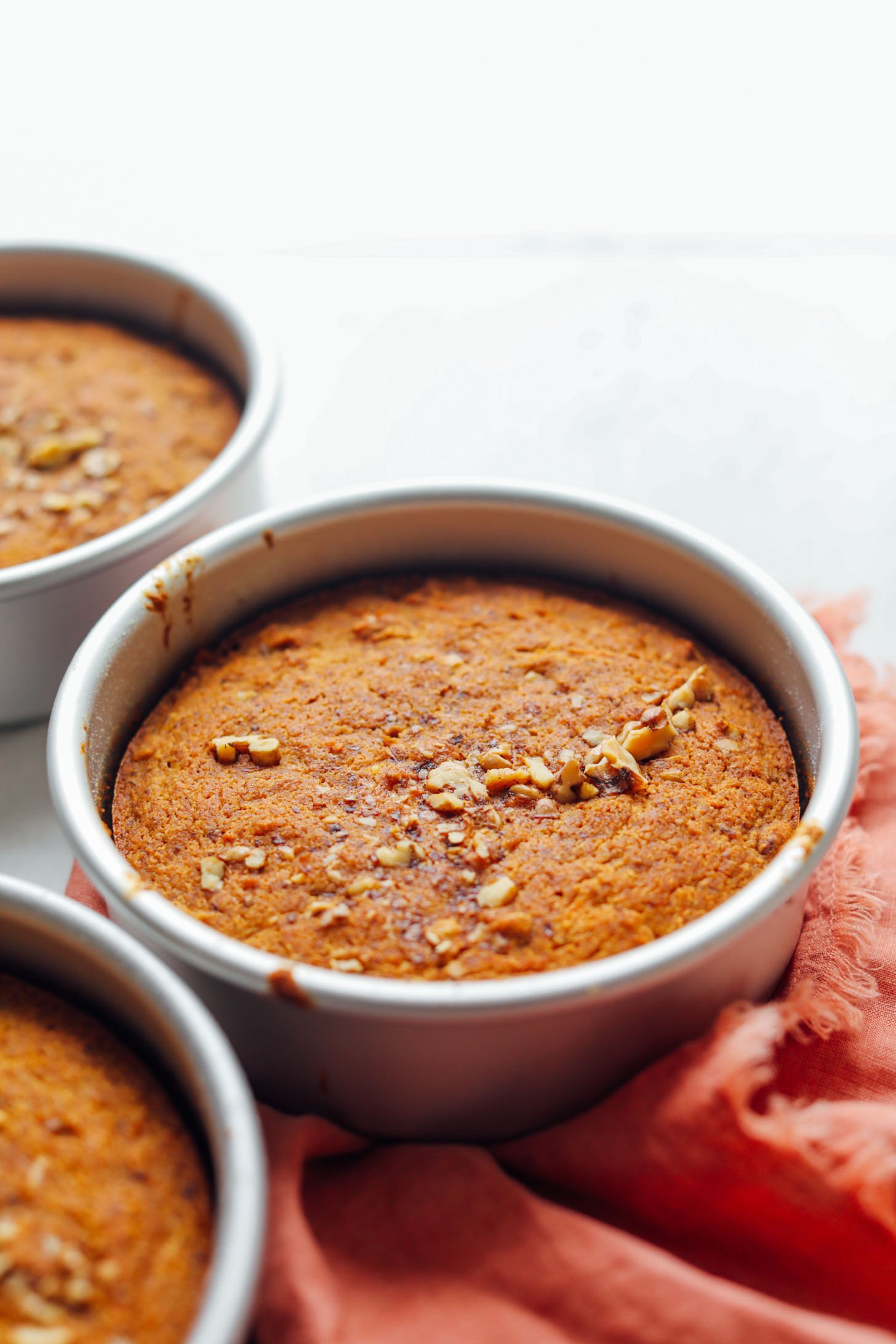
Gluten-free flours such as almond, coconut, rice, or oat flour possess distinct absorption properties compared to traditional wheat flour. These flours tend to absorb more moisture and often do so unevenly due to their varied particle sizes and botanical compositions. For instance, coconut flour is highly absorbent, soaking up liquid quickly, which can result in a dense or dry cake if not properly balanced. Conversely, nut-based flours contain additional fats that influence moisture retention and texture. Therefore, recipes that call for gluten-free flours need precise hydration planning to prevent under- or over-absorbing.
Understanding how these flours behave is essential for bakers aiming for a perfectly moist carrot cake. If the batter is too dry initially—especially with highly absorbent flours—the cake may turn out crumbly or dense. On the other hand, too much moisture can lead to a soggy crumb or undermine the structure. Resting the batter or the baked cake allows the flour particles to fully absorb liquids and evenly distribute moisture throughout the cake matrix. This process enhances tenderness, prevents crumbliness, and ensures that the cake maintains its moistness over time, reinforcing why gluten-free vegan carrot cake often needs a longer resting time.
Vegan Egg Replacers and Their Impact on Cake Hydration
Vegan egg replacers—such as flaxseed meal, chia seeds, applesauce, or commercial egg substitutes—serve as binders and leavening agents but behave differently than traditional eggs. For example, flaxseed gel or chia seed slurry forms a mucilaginous layer that adds moisture and some binding properties; applesauce introduces moisture while decreasing fat content. These ingredients often require hydration and time to fully develop their binding capabilities. As a result, the batter’s consistency continues to evolve even after baking, and the structural stability may not be fully established immediately after removal from the oven.
This continual change underscores why gluten-free vegan carrot cake often needs a longer resting time. Allowing the cake to sit after baking enables these egg replacers to fully hydrate, develop, and integrate with other ingredients. This process creates a cohesive crumb structure and improves moisture retention, resulting in a softer, more flavorful cake. Adequate resting period ensures that the cake is not only visually appealing but also palatably moist and tender, making it a critical step for optimal results within vegan and gluten-free baking practices.
The Science Behind Resting: Enhancing Texture and Flavor in Gluten-Free Vegan Carrot Cake
The scientific principle behind resting periods involves the redistribution and complete hydration of ingredients within the cake. When a gluten-free vegan carrot cake is removed from the oven, its structure is still settling. During resting, the moisture within the cake has a chance to distribute evenly, resulting in improved crumb cohesion and a less crumbly texture. Additionally, flavors develop more fully as the ingredients—especially spices, sweeteners, and carrots—meld over time, creating a richer, more harmonious taste profile. This is particularly important in vegan baking, where the absence of traditional fats and eggs can make flavor development and moistness more sensitive to resting times.
Furthermore, resting allows the gelatinization of starches and the activation of certain binders. For instance, flours with higher starch content benefit from a period of cooling and setting, which creates a firm yet tender crumb. It also diminishes the moisture gradient that might cause the cake to be overly wet or gummy immediately after baking. By giving the cake time to rest, bakers harness this natural science to guarantee a more refined texture, better moisture retention, and enhanced flavors—all reasons why why gluten-free vegan carrot cake often needs a longer resting time.
Optimizing Your Gluten-Free Vegan Carrot Cake Recipe for a Perfect Texture
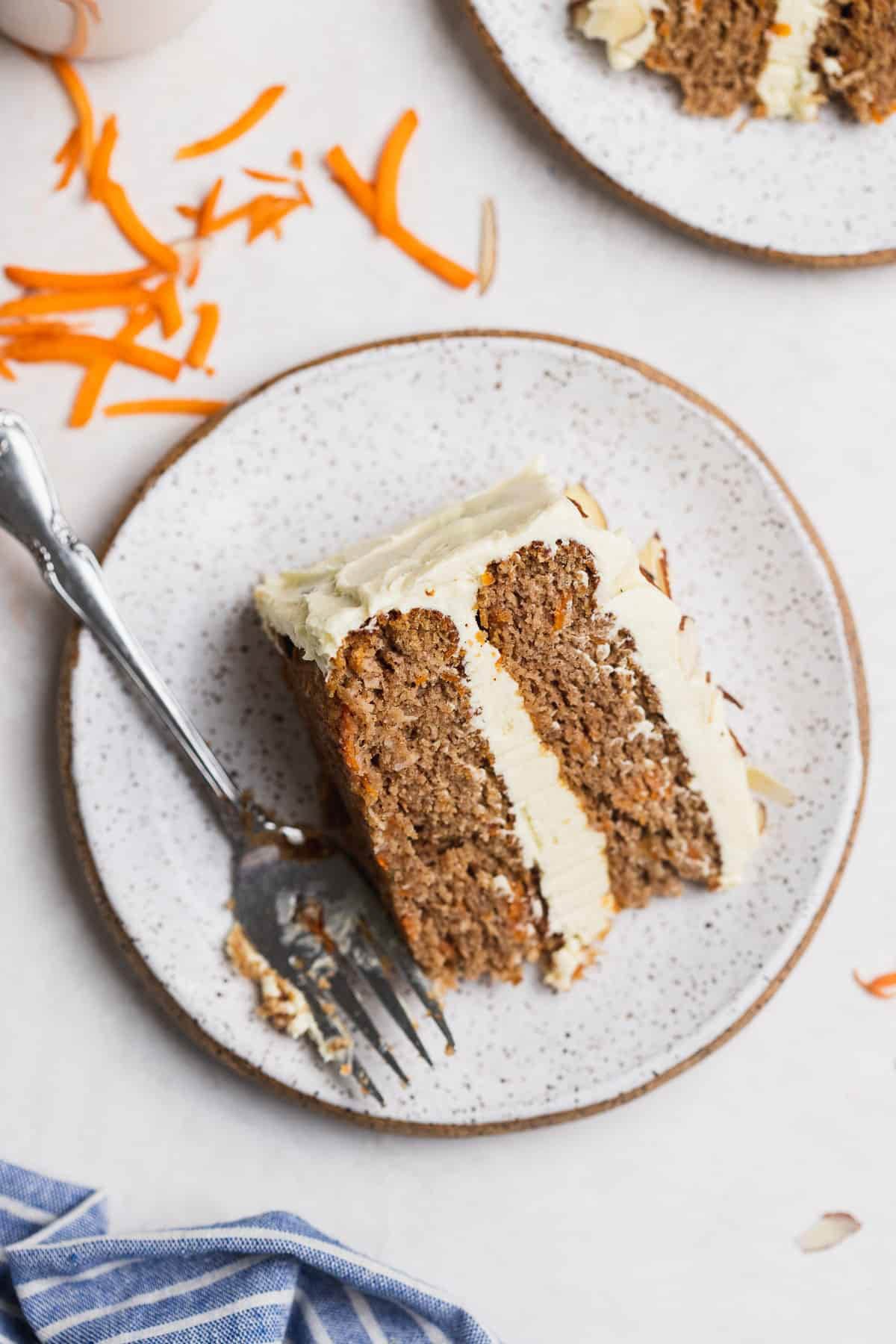
To optimize a gluten-free vegan carrot cake, bakers should consider not just ingredients but also timing and technique. Incorporating ingredients explicitly known for their moisture-retaining properties, such as grated carrots and coconut flakes, can contribute to a tender crumb. Balancing the batter with appropriate hydration levels and choosing the right gluten-free flours tailored to the recipe’s desired texture are fundamental steps. Moreover, implementing resting periods—both before baking (to allow batter hydration and flavor melding) and after baking (for crumb setting and moisture redistribution)—is essential to achieve the perfect cake.
Experimenting with resting durations can unveil their impact, with many bakers finding that waiting at least 1-2 hours or even overnight results in a more cohesive, moist, and flavorful carrot cake. Covering the cake loosely during resting also prevents moisture loss and helps maintain the ideal texture. Ultimately, careful attention to ingredient selection, mixing techniques, and resting times transforms a good gluten-free vegan carrot cake into an exceptional one. This comprehensive approach elucidates why gluten-free vegan carrot cake often needs a longer resting time—it’s the crucial window where science and creativity converge to elevate the baking outcome.
Conclusion
In conclusion, why gluten-free vegan carrot cake often needs a longer resting time boils down to the intrinsic differences in ingredient properties and their interaction during baking. Without gluten and eggs, the structural integrity of the cake depends on alternative binders, moisture absorption varies with different flours, and flavors require time to fully develop and meld. Resting allows these components to fully hydrate, stabilize, and integrate, resulting in a moist, tender, and flavorful cake with a satisfying crumb. Recognizing the scientific principles behind these processes empowers bakers to improve their recipes and achieve consistent, delicious results that honor both health-conscious choices and culinary excellence.